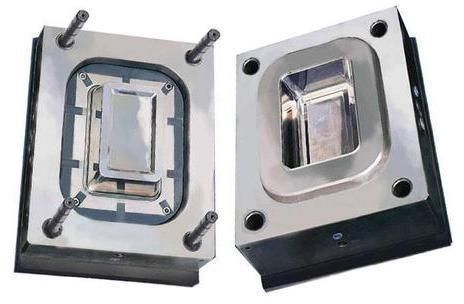
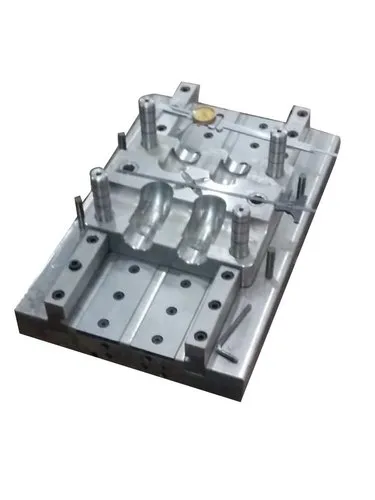
School lunch boxes and water bottles are everyday essentials for children, requiring high standards of safety, durability, and attractive design. Injection moulds used to manufacture these products must meet strict food-grade requirements while ensuring high productivity and consistent quality. Precision mould design plays a crucial role in producing leak-proof, lightweight, and child-friendly lunchware products.
Key Requirements for School Lunchware Moulds
Moulds for lunch boxes and water bottles must comply with food safety regulations and withstand repeated usage. Important requirements include:
Food-Grade Safety: Moulds are designed for plastics such as PP, HDPE, and Tritan that comply with FDA, LFGB, and BIS food-contact standards.
Durability and Strength: Products must resist drops, impacts, and daily handling by children.
Leak-Proof Performance: High precision in sealing areas, threads, and snap-fits ensures spill-free use.
Child-Friendly Design: Smooth edges, easy-open lids, and ergonomic shapes are essential.
Mould Design Considerations
Effective mould design ensures both product safety and efficient mass production:
Multi-Cavity Moulds: Enable high-volume production for lunch box bodies, lids, and bottle caps.
Precision Parting Lines: Ensure proper sealing and eliminate sharp edges.
Optimized Cooling Systems: Uniform cooling prevents warpage and improves cycle time.
Interchangeable Inserts: Allow easy size or design variations for different lunch box compartments or bottle volumes.
Materials Used in Mould Manufacturing
High-quality tool steels are selected to achieve long mould life and excellent surface finish:
P20 / Modified P20 Steel: Suitable for large lunch box moulds and medium production volumes.
H13 Tool Steel: Used for high-stress areas such as bottle necks and threads.
Stainless Steel (420 / S136): Preferred for food-contact surfaces due to corrosion resistance and ease of polishing.
Surface Finish and Aesthetics
School lunchware must be visually appealing to children while being easy to clean:
Mirror Polishing: Provides smooth, hygienic surfaces that prevent food residue buildup.
Textured Finishes: Enhance grip on bottle bodies and lids.
Engraved Logos and Graphics: Enable branding, measurement markings, and decorative designs.
Moulds for Water Bottles
Water bottle moulds require special attention to neck finish and cap compatibility:
Accurate Thread Profiles: Ensure leak-proof closure and compatibility with flip-top or screw caps.
Consistent Wall Thickness: Maintains strength while reducing weight.
Insert-Based Neck Moulds: Allow flexibility for different cap standards and sizes.
Moulds for Lunch Boxes
Lunch box moulds often include multiple components and functional features:
Compartmentalized Designs: Separate cavities for food sections reduce mixing and improve usability.
Snap-Fit and Hinge Features: Require tight tolerances for smooth operation and long life.
Transparent and Colored Parts: Support aesthetic customization using food-safe pigments.
Quality Control and Compliance
Strict quality checks are essential for school lunchware moulds:
Dimensional accuracy inspection for lids, seals, and threads
Leak and fit testing for bottles and containers
Validation for food-contact compliance
Cycle life testing to ensure long-term mould performance
Advantages of High-Quality Lunchware Moulds
Consistent production of safe, child-friendly products
Reduced rejection rates and faster cycle times
Long mould life with minimal maintenance
Flexibility to produce multiple designs from a single mould base
Conclusion
Moulds for school lunch boxes and water bottles must balance safety, durability, aesthetics, and cost-effective mass production. With precision engineering, food-grade materials, and advanced mould design techniques, manufacturers can produce reliable, attractive lunchware products that meet both regulatory standards and the daily needs of school-going children.