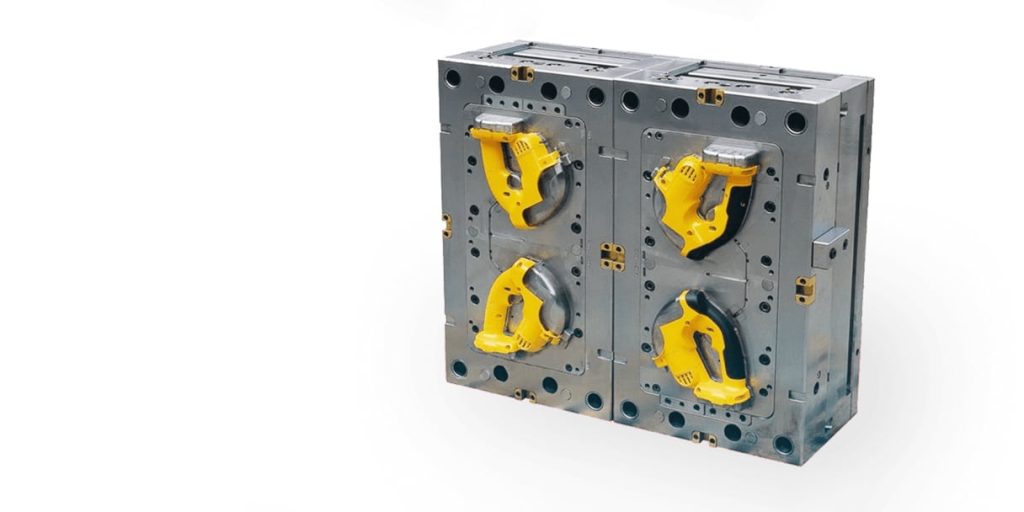
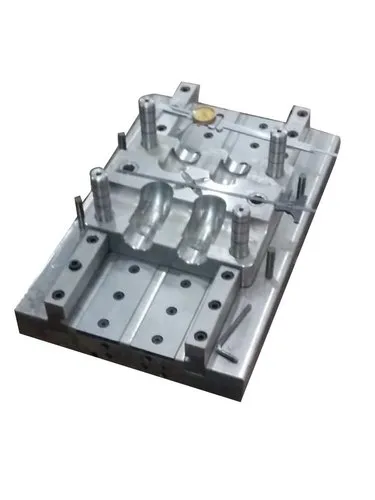
Overmoulding is a widely used manufacturing process in cosmetic packaging that combines two or more materials into a single component through sequential injection moulding. This technique enhances both the functional performance and visual appeal of packaging, making it ideal for premium cosmetic products that demand superior aesthetics, comfort, and durability.
What is Overmoulding?
Overmoulding involves moulding a secondary material—typically a soft elastomer or thermoplastic—over a pre-moulded rigid substrate. The result is a single, integrated part with improved grip, tactile feel, sealing capability, and design flexibility, without the need for additional assembly.
Key Benefits of Overmoulding in Cosmetic Packaging
Enhanced Aesthetics
Overmoulding allows the use of multiple colours, textures, and finishes in one component. Soft-touch surfaces, matte or glossy effects, and transparent or translucent layers elevate the premium look and feel of cosmetic packaging.
Improved User Experience
Soft elastomer overmoulds provide a comfortable grip and ergonomic handling, especially for items such as lipstick cases, mascara tubes, compact cases, and cream jars.
Superior Sealing & Leak Prevention
Overmoulded seals and gaskets improve closure performance, helping prevent leakage and contamination—critical for liquid and cream-based cosmetic products.
Reduced Assembly & Higher Durability
By integrating multiple materials into one moulded part, overmoulding eliminates secondary assembly processes, reducing production time, costs, and the risk of part failure or separation.
Design Freedom
Complex geometries, integrated branding elements, and functional features such as grips or buttons can be seamlessly incorporated, giving designers greater creative freedom.
Common Materials Used
Base Substrates: ABS, PP, PE, PET, PC
Overmoulding Materials: TPE, TPU, silicone, soft-touch elastomers
Material compatibility and adhesion are carefully selected to ensure long-term performance and cosmetic safety.
Applications in Cosmetic Packaging
Lipstick and lip balm cases
Mascara and eyeliner containers
Compact powder cases
Skincare jars and bottles
Pump, cap, and closure systems
Quality & Regulatory Considerations
Overmoulded cosmetic packaging must comply with industry regulations related to cosmetic safety, chemical resistance, and hygiene. Precision tooling, controlled processing, and high-quality materials are essential to achieve consistent bonding, flawless finishes, and repeatable production.
Conclusion
Overmoulding plays a vital role in modern cosmetic packaging by combining functionality, durability, and premium aesthetics into a single solution. As cosmetic brands continue to focus on user experience and visual differentiation, overmoulding remains a preferred manufacturing approach for high-end and mass-market cosmetic products alike.