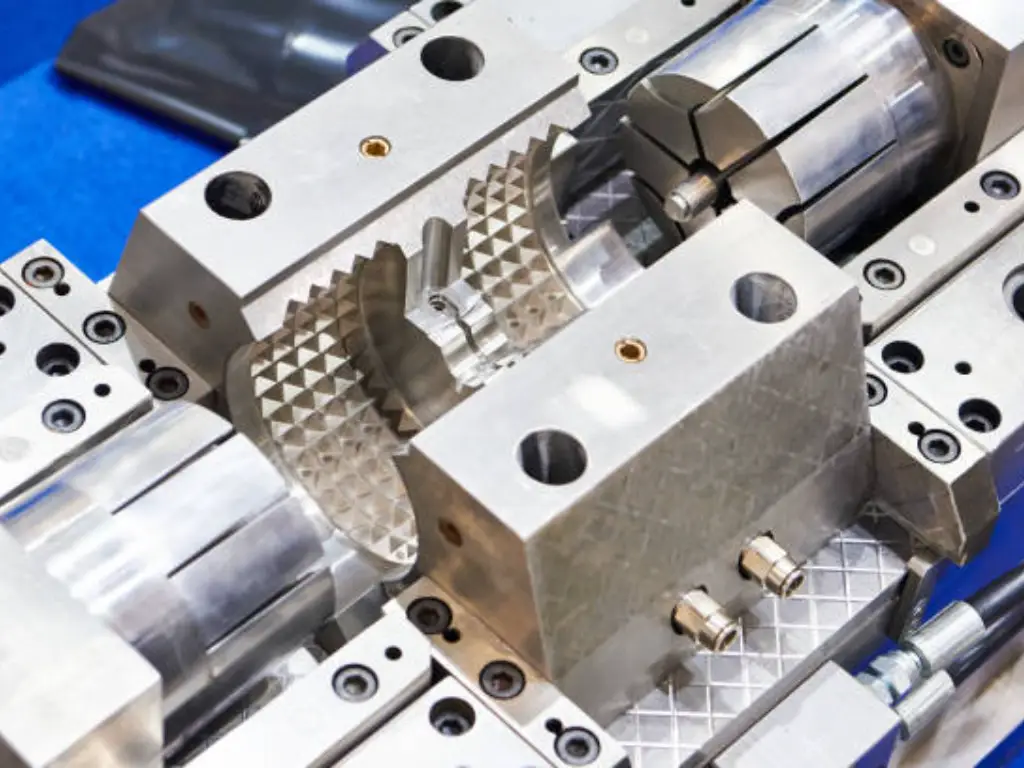
Overmoulding is an advanced injection moulding process widely used in medical device manufacturing to combine multiple materials into a single, integrated component. This technique enhances functionality, ergonomics, safety, and durability while meeting the stringent regulatory and performance requirements of the healthcare industry.
What Is Overmoulding?
Overmoulding involves moulding a second material (typically a soft elastomer) over a pre-moulded substrate made from a rigid plastic or metal. The two materials bond mechanically or chemically, forming a unified medical component without the need for adhesives or secondary assembly.
Materials Used in Medical Overmoulding
Medical overmoulding relies on biocompatible and sterilization-resistant materials, including:
Substrate materials: Polycarbonate (PC), Polypropylene (PP), ABS, Nylon, PEEK
Overmould materials: Thermoplastic Elastomers (TPE), Thermoplastic Polyurethane (TPU), Silicone Rubber
These materials are selected based on biocompatibility, chemical resistance, flexibility, and compliance with medical standards such as ISO 10993.
Key Benefits of Overmoulding in Medical Devices
Improved Ergonomics: Soft-touch grips enhance comfort and control for clinicians and patients
Enhanced Safety: Reduced risk of sharp edges and improved slip resistance
Sealing and Protection: Overmoulded layers provide effective moisture and contaminant barriers
Durability: Strong bonding improves resistance to wear, impact, and repeated use
Reduced Assembly: Eliminates adhesives and fasteners, lowering contamination risks and production costs
Common Medical Applications
Overmoulding is used in a wide range of medical products, including:
Surgical instrument handles
Catheters and tubing connectors
Diagnostic device housings
Drug-delivery devices (injectors, pens)
Wearable and handheld medical devices
Design Considerations for Medical Overmoulding
Successful overmoulded medical components require careful design and engineering:
Material compatibility and adhesion performance
Uniform wall thickness to avoid stress and warpage
Precise tooling to maintain tight tolerances
Venting and gating to ensure defect-free moulding
Compliance with sterilization methods such as autoclave, EtO, or gamma radiation
Regulatory and Quality Requirements
Medical overmoulding must comply with strict quality and regulatory standards:
ISO 13485 quality management systems
Biocompatibility testing (ISO 10993)
Traceability of materials and processes
Cleanroom moulding where required
Validation of moulding processes for consistency and reliability
Conclusion
Overmoulding plays a critical role in modern medical device manufacturing by enabling multifunctional, ergonomic, and reliable components. With the right material selection, mould design, and quality controls, overmoulding helps manufacturers deliver safe, high-performance medical devices that meet both regulatory standards and user expectations.