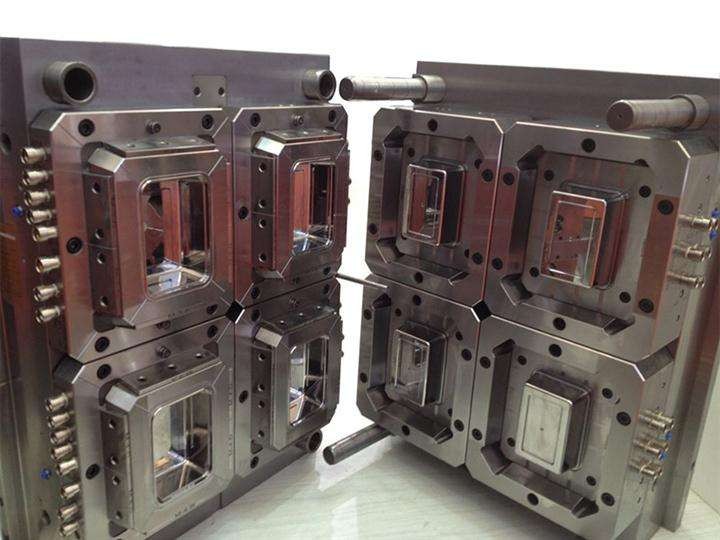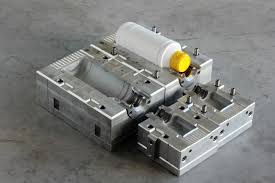
Injection Molding for Prototyping

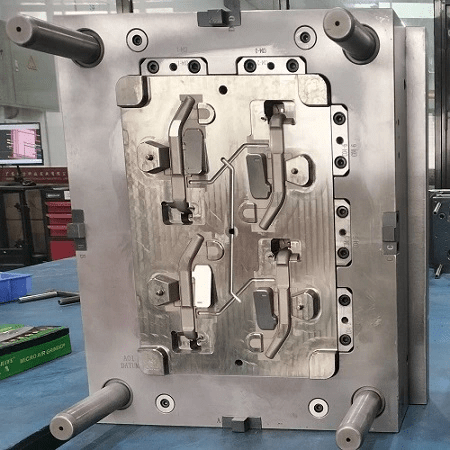
Injection molding is a popular method for prototyping due to its ability to produce high-quality parts that closely replicate the final product. By utilizing this technique, manufacturers can validate designs, test functionality, and identify potential issues early in the development process. Although traditionally associated with large-scale production, advancements in technology and materials have made injection […]

Injection Molding for Prototyping Read More »
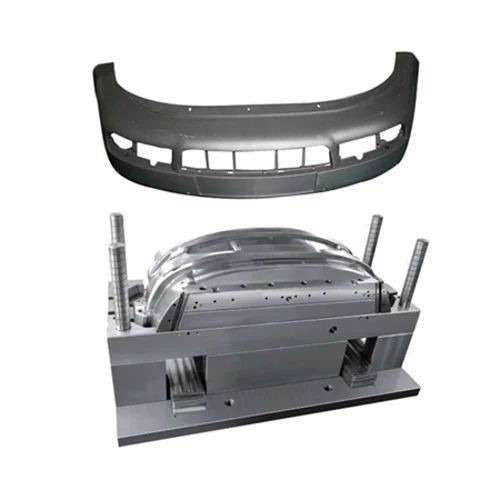
The Role of Mold Design in Automotive Parts

Mold design plays a crucial role in the production of automotive parts, as it directly impacts the quality, functionality, and manufacturing efficiency of the components. Automotive parts often require high precision, durability, and aesthetic appeal, all of which depend on the capabilities of the mold. An optimized mold design ensures that parts meet stringent industry

The Role of Mold Design in Automotive Parts Read More »

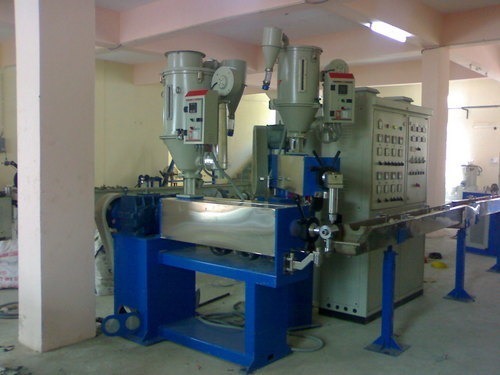
Flexible PVC for Cable Insulation Molding

Flexible polyvinyl chloride (PVC) is a widely used material for cable insulation molding due to its exceptional balance of flexibility, durability, and cost-effectiveness. It is employed extensively in electrical, telecommunications, and automotive industries to provide robust insulation for wires and cables, ensuring safety and reliable performance in various operating environments. Properties of Flexible PVC Flexible

Flexible PVC for Cable Insulation Molding Read More »

Thin-Wall Injection Molding Techniques

ing Techniques Thin-wall injection molding is a specialized manufacturing process used to produce lightweight, high-strength plastic components with extremely thin walls. This technique is widely applied in industries such as electronics, automotive, and packaging, where reducing material usage and achieving precision are critical. Mastering thin-wall injection molding requires advanced techniques, specialized equipment, and a deep

Thin-Wall Injection Molding Techniques Read More »

Mould Maintenance and Repair in Automotive Manufacturing

Moulds are critical components in automotive manufacturing, as they are used to produce high-precision parts through injection molding, casting, or stamping processes. Proper maintenance and repair of moulds are essential to ensure consistent part quality, minimize downtime, and extend the lifespan of the moulds. These activities are vital in maintaining operational efficiency and meeting the

Mould Maintenance and Repair in Automotive Manufacturing Read More »

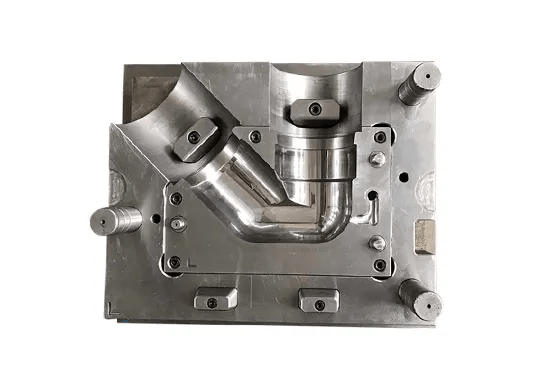
Introduction to PVC Molds and their Applications

PVC (Polyvinyl Chloride) molds are essential tools in manufacturing products made from PVC, a versatile thermoplastic polymer widely used in various industries. PVC is valued for its durability, chemical resistance, and adaptability, making it suitable for diverse applications ranging from construction materials to consumer goods. PVC molds are designed to shape molten or softened PVC

Introduction to PVC Molds and their Applications Read More »

Heat Resistance in Automotive Molds

Heat resistance is a critical attribute in automotive molds due to the demanding thermal conditions encountered during both the molding process and the application of the final products. Automotive molds are subjected to high temperatures from molten materials such as plastics, rubbers, or metals during production, necessitating the use of materials that can withstand extreme

Heat Resistance in Automotive Molds Read More »

Injection Molding and Product Safety Standards

Injection molding is a widely used manufacturing process for creating parts by injecting molten material into a mold. This technique is primarily utilized for producing plastic components, though it is also applicable to metals, ceramics, and glass. The process begins with the heating of raw material, which is then forced under pressure into a custom-designed

Injection Molding and Product Safety Standards Read More »

Injection Molding Tooling

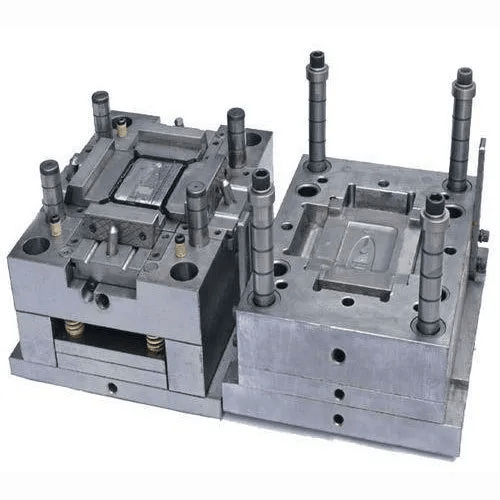
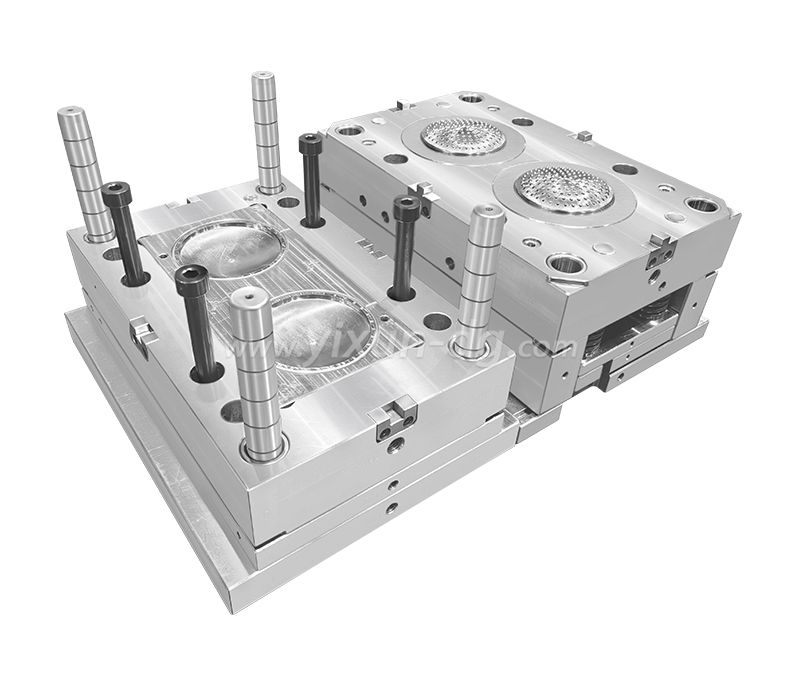
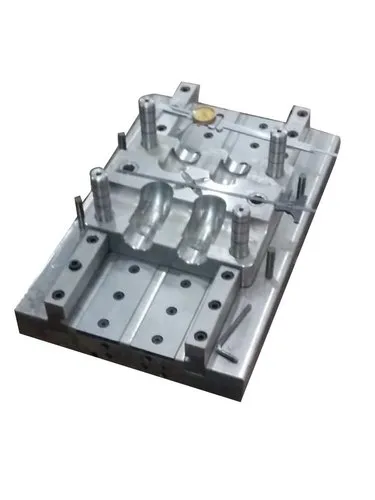
Injection molding tooling, often referred to simply as “the mold,” is an essential component in the injection molding process. It serves as the medium to shape molten plastic into precise and repeatable parts. The tooling design and construction significantly impact production efficiency, part quality, and cost-effectiveness. Below are detailed aspects of injection molding tooling: The

Injection Molding Tooling Read More »

Properties of PVC for Molding and Manufacturing

Polyvinyl chloride (PVC) is one of the most versatile and widely used thermoplastics in molding and manufacturing. It is favored for its excellent balance of physical properties, cost-effectiveness, and adaptability to various industrial applications. PVC is available in rigid and flexible forms, allowing for a broad range of uses. Durability and Mechanical Strength: Rigid PVC

Properties of PVC for Molding and Manufacturing Read More »

Scroll to Top