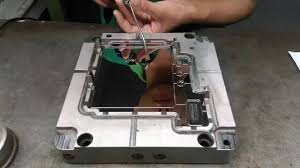
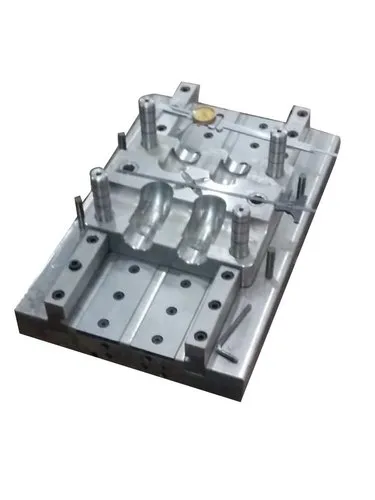
Polishing and surface finish are critical aspects of medical mould manufacturing, directly influencing product quality, hygiene, functionality, and regulatory compliance. Medical components often require extremely smooth, defect-free surfaces to ensure patient safety, ease of sterilization, and consistent performance. High-precision polishing techniques are essential to meet the stringent standards of the medical industry.
Importance of Surface Finish in Medical Moulds
Medical moulded parts such as syringes, catheters, diagnostic housings, and implantable components demand superior surface quality. The key benefits include:
Enhanced Cleanability and Sterilization: Smooth surfaces reduce bacterial adhesion and enable effective cleaning and sterilization.
Biocompatibility and Safety: Polished surfaces minimize particulate generation and prevent contamination.
Improved Part Release: Proper mould polishing reduces friction, ensuring easy demoulding and reduced cycle times.
Aesthetic and Optical Clarity: Transparent or visible medical parts require high-gloss finishes for clarity and inspection.
Dimensional Accuracy: Controlled polishing preserves critical tolerances required for medical devices.
Surface Finish Standards for Medical Moulds
Medical mould surface finishes are typically specified using recognized industry standards such as:
SPI (Society of the Plastics Industry) Standards
SPI A1 / A2: Mirror polish using diamond compounds (used for optical and transparent medical parts)
SPI B1 / B2: Fine semi-gloss finishes
SPI C1 / C2: Matte finishes for non-critical areas
VDI Standards: Used where controlled texture is required without compromising hygiene
Mirror finishes are often mandated for fluid-contact components to prevent material buildup and biofilm formation.
Polishing Techniques Used in Medical Moulds
Multiple polishing techniques are applied depending on part geometry, material, and regulatory requirements:
Mechanical Polishing: Progressive use of abrasive stones and diamond pastes to achieve high-gloss finishes.
Hand Polishing: Essential for intricate cavities, micro-features, and sharp corners.
Diamond Polishing: Used for ultra-smooth surfaces required in optical and implantable medical components.
Electropolishing: Improves corrosion resistance and surface cleanliness by removing micro-peaks.
Chemical Polishing: Applied selectively to enhance smoothness in complex mould areas.
Material Considerations for Polishing
The choice of mould steel significantly affects achievable surface finish:
Stainless Tool Steels (e.g., 1.2083, 420 SS): Excellent corrosion resistance and polishability for medical applications.
Pre-hardened Steels (P20, Modified P20): Suitable for moderate polish requirements.
Hardened Tool Steels: Require skilled polishing techniques to achieve defect-free surfaces.
Proper heat treatment and stress relief are essential to prevent polishing defects such as orange peel or micro-cracking.
Cleanroom and Contamination Control
Polishing for medical moulds is often performed in controlled environments to avoid contamination:
Use of lint-free materials and medical-grade polishing compounds
Thorough cleaning after polishing to remove residues
Validation of surface cleanliness before mould approval
Quality Control and Validation
Surface finish quality is verified through:
Visual and microscopic inspection
Surface roughness measurements (Ra values)
Mould trials and part inspection
Documentation for regulatory compliance (ISO 13485, FDA requirements)
Challenges in Medical Mould Polishing
Maintaining tight tolerances while achieving high polish
Polishing micro and thin-wall features
Avoiding surface defects that could compromise sterility
Ensuring consistency across multi-cavity moulds
Conclusion
Polishing and surface finish play a vital role in the performance, safety, and compliance of medical moulds. By combining advanced polishing techniques, suitable mould materials, and strict quality control, manufacturers can deliver high-precision medical moulds that meet international healthcare standards. Superior surface finish not only enhances product quality but also ensures long-term mould durability and patient safety.