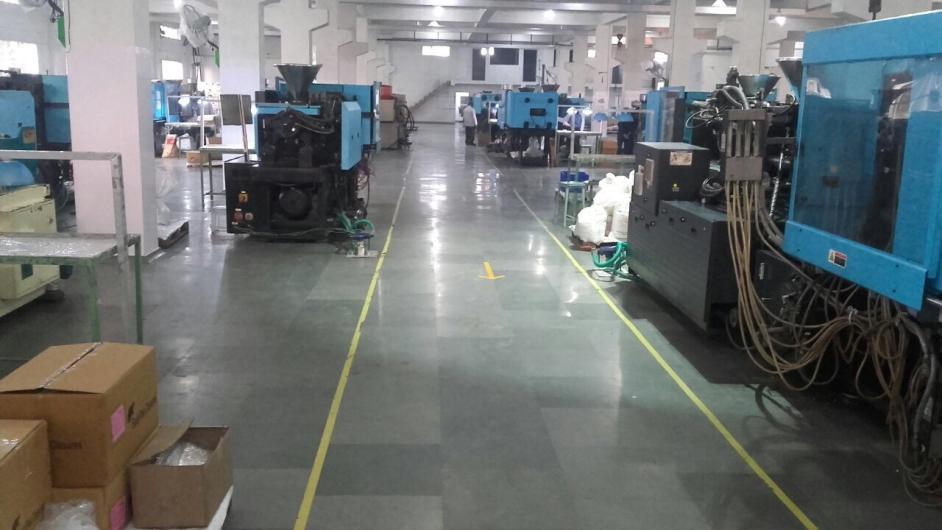
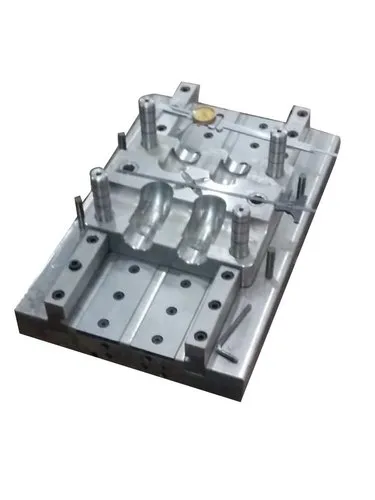
Precision plays a critical role in the manufacturing of stationery moulds, as these products are produced in high volumes and are expected to maintain consistent quality, functionality, and appearance. Even minor deviations in mould accuracy can result in defects, assembly issues, or excessive material waste. Therefore, achieving tight tolerances and repeatability is essential throughout the mould design and manufacturing process.
1. Dimensional Accuracy and Tight Tolerances
Stationery items such as pens, rulers, clips, sharpeners, and marker components require precise dimensions to ensure proper fit and smooth operation. Moulds must be manufactured with tight tolerances, often within microns, to maintain uniform wall thickness, correct alignment, and reliable assembly of multiple parts.
2. Consistency in High-Volume Production
Stationery products are typically mass-produced using multi-cavity moulds. Precision in cavity machining ensures that all parts produced from different cavities are identical in size, weight, and appearance. This consistency minimizes rejection rates and ensures interchangeability of components during assembly.
3. Surface Finish and Aesthetic Quality
Many stationery products are consumer-facing items where visual appeal matters. High-precision polishing, texturing, and engraving are required to achieve smooth surfaces, sharp logos, clear markings, and uniform textures. Poor surface accuracy can lead to flow marks, scratches, or uneven finishes.
4. Accurate Gate, Runner, and Ejection Design
Precision in gate and runner systems ensures balanced material flow to all cavities, reducing short shots, sink marks, and warpage. Similarly, accurately positioned ejector pins prevent part deformation, stress marks, or visible ejector impressions, which are unacceptable in visible stationery components.
5. Control of Warpage and Shrinkage
Different plastics used in stationery moulding—such as PP, ABS, PS, or HDPE—exhibit varying shrinkage behaviors. Precision mould design accounts for these material properties, ensuring that final parts meet dimensional requirements after cooling and ejection.
6. Tool Steel Quality and Machining Accuracy
High-quality tool steels combined with precision CNC machining, EDM, and grinding processes are essential for achieving accurate mould geometry. Proper heat treatment and stress relief further help maintain dimensional stability during long production runs.
7. Alignment and Parting Line Accuracy
Accurate alignment of core and cavity inserts ensures clean parting lines and prevents flash formation. Precision guide pillars, bushes, and locking systems help maintain mould integrity and extend tool life, especially in high-speed production environments.
8. Reduced Maintenance and Longer Tool Life
Highly precise moulds experience less wear and require fewer adjustments over time. This leads to reduced downtime, lower maintenance costs, and consistent part quality throughout the mould’s lifespan.
9. Compliance with Quality Standards
Precision in stationery mould manufacturing supports compliance with quality standards and customer specifications. It ensures uniformity across batches, enhances brand reputation, and enables manufacturers to meet competitive market demands.
Conclusion
Precision is a fundamental requirement in stationery mould manufacturing, directly influencing product quality, production efficiency, and cost-effectiveness. By focusing on accurate design, advanced machining techniques, and strict quality control, manufacturers can produce reliable, high-quality stationery products that meet both functional and aesthetic expectations.