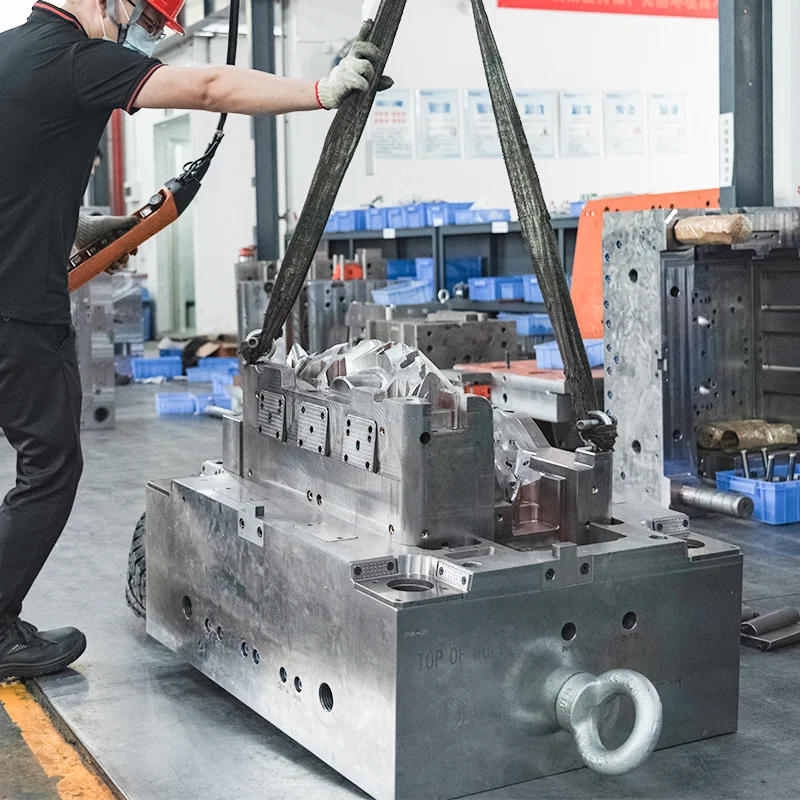
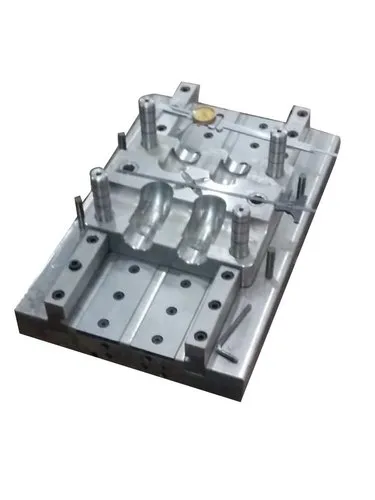
Pricing in the moulding industry is a critical business function that directly impacts profitability, competitiveness, and long-term sustainability. Due to high capital investment, customized products, and fluctuating raw material costs, mould manufacturers must adopt flexible and well-planned pricing strategies.
1. Cost-Based Pricing
Cost-based pricing is the most widely used approach in the moulding industry.
Key Components:
Mould design and engineering costs
Tool steel and standard components
Machining and finishing operations
Labor and overhead expenses
Trial runs and validation costs
Maintenance and warranty provisions
Advantages:
Ensures cost recovery and predictable margins
Simple and transparent for internal costing
Challenges:
May ignore market conditions and competitor pricing
Less effective in highly competitive segments
2. Value-Based Pricing
Value-based pricing focuses on the benefits delivered to the customer rather than just production cost.
Value Drivers Include:
High mould life and durability
Shorter cycle times and higher productivity
Precision, consistency, and lower rejection rates
Faster delivery and engineering support
Advantages:
Higher profit margins
Strong positioning with OEM and premium customers
Best Suited For:
Automotive, electronics, and medical moulds
Complex, high-precision or multi-cavity moulds
3. Market-Oriented (Competitive) Pricing
This strategy benchmarks prices against competitors while considering market demand.
Approach:
Analyze domestic and international competitor pricing
Adjust pricing based on technology level and capacity
Offer competitive pricing for standard or repeat moulds
Advantages:
Helps win price-sensitive customers
Useful in aftermarket and commodity mould segments
Risks:
Price wars and margin erosion
Pressure on quality if costs are cut excessively
4. Project-Based Pricing
Most moulds are custom-engineered, making project-based pricing essential.
Pricing Factors:
Part complexity and tolerance requirements
Number of cavities and mould size
Expected production volume
Customer-specific standards and documentation
Benefits:
Accurate cost allocation
Flexibility to handle unique requirements
5. Tiered Pricing Strategy
Tiered pricing offers multiple pricing levels based on service scope or performance.
Typical Tiers:
Basic mould (standard steel, limited warranty)
Premium mould (enhanced steel, longer life, faster cycle)
Turnkey solution (mould + trials + process optimization)
Advantages:
Appeals to different customer segments
Encourages upselling and value enhancement
6. Lifecycle-Based Pricing
Pricing considers the total life of the mould rather than just initial cost.
Elements Included:
Initial tooling cost
Maintenance and spare parts
Refurbishment and upgrades
End-of-life support
Customer Benefit:
Lower total cost of ownership (TCO)
Better long-term relationship with the mould maker
7. Volume and Long-Term Contract Pricing
Discounts are offered for long-term partnerships or multiple mould orders.
Common Practices:
Price reduction for repeat orders
Tooling price adjustment linked to production volume
Annual rate contracts with OEMs
Advantages:
Stable order pipeline
Improved capacity utilization
8. Risk-Based Pricing
Risk-based pricing accounts for uncertainties and potential challenges.
Risk Factors:
Tight delivery schedules
New materials or untested designs
Export compliance and certification requirements
Mitigation:
Risk premiums or contingency margins
Clear scope definition and change management clauses
9. Regional and Export Pricing Considerations
Global moulding businesses must adapt pricing for different regions.
Factors to Consider:
Currency fluctuations
Import duties and taxes
Logistics and packaging costs
Local certification and compliance
10. Digital and Data-Driven Pricing
Advanced mould manufacturers increasingly use data analytics to refine pricing.
Tools Used:
ERP and costing software
Historical project databases
Simulation-based cycle time estimation
Benefits:
Improved accuracy and faster quotations
Better margin control
Conclusion
An effective pricing strategy in the moulding industry balances cost control, customer value, market dynamics, and risk management. Successful mould manufacturers move beyond simple cost-plus models and adopt hybrid pricing approaches to remain competitive, profitable, and resilient in a rapidly evolving global market.