1. Introduction
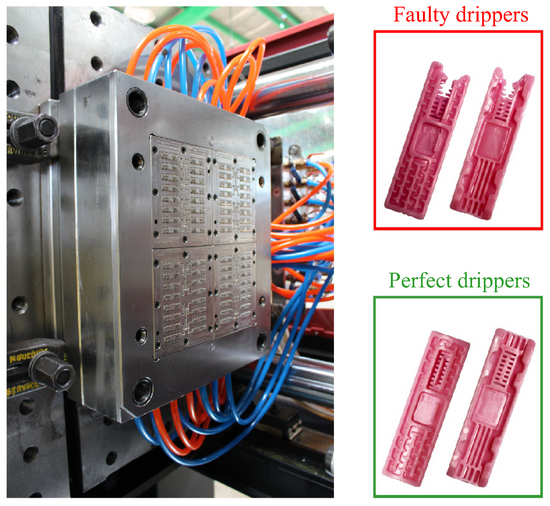
The integration of Internet of Things (IoT) technologies into injection moulding represents a major advancement in smart manufacturing. An IoT-enabled injection mould allows real-time monitoring, data collection, and intelligent control of mould performance parameters. This project focuses on designing an injection mould embedded with sensors, connectivity, and analytics capabilities to improve productivity, quality, and predictive maintenance in moulding operations.
2. Objectives of the Project
To design an injection mould with embedded IoT sensors
To enable real-time monitoring of mould and process parameters
To reduce defects and cycle time through data-driven insights
To support predictive maintenance and extend mould life
To improve overall equipment effectiveness (OEE)
3. Key Components of an IoT-Enabled Injection Mould
3.1 Smart Sensors
Sensors are integrated within the mould to monitor critical parameters such as:
Temperature sensors (cavity, core, cooling channels)
Pressure sensors (cavity pressure, injection pressure)
Flow sensors (coolant flow rate)
Strain and vibration sensors (mould wear and alignment)
These sensors must be compact, heat-resistant, and capable of withstanding high pressures.
3.2 Data Acquisition System
A data acquisition unit collects signals from all sensors and converts them into digital data. Key features include:
High sampling rate for real-time analysis
Noise filtering and signal conditioning
Compatibility with industrial moulding environments
4. Connectivity and Communication
The collected data is transmitted using industrial communication protocols such as:
Ethernet / Industrial Ethernet
Wi-Fi or Bluetooth (for non-critical data)
OPC UA or MQTT for secure IoT communication
Edge devices may be used to preprocess data before sending it to the cloud or central monitoring system.
5. Software and Data Analytics
5.1 Real-Time Monitoring Dashboard
A user interface displays live mould parameters, including:
Temperature and pressure trends
Cycle time and cooling efficiency
Alerts for abnormal conditions
5.2 Data Analytics and AI Integration
Statistical analysis for process optimization
Machine learning models for defect prediction
Predictive maintenance algorithms to forecast tool wear and failure
6. Mould Design Considerations
Sensor placement should not affect part quality or mould strength
Proper insulation and sealing for electronics
Easy maintenance and sensor replacement
Compatibility with existing injection moulding machines
7. Benefits of IoT-Enabled Injection Moulds
Improved product quality and consistency
Reduced scrap and rework
Shorter cycle times and optimized cooling
Predictive maintenance reduces downtime
Data-driven decision-making for continuous improvement
8. Challenges and Limitations
High initial investment cost
Sensor durability in extreme moulding conditions
Data security and system integration issues
Requirement of skilled personnel for data analysis
9. Applications
Automotive plastic components
Medical device moulding
Consumer electronics housings
High-precision and high-volume production moulds
10. Conclusion
Designing an IoT-enabled injection mould is a key step toward Industry 4.0 adoption in the moulding industry. By combining advanced sensor technology, real-time connectivity, and intelligent analytics, manufacturers can significantly enhance mould performance, reduce operational risks, and achieve higher efficiency and competitiveness.