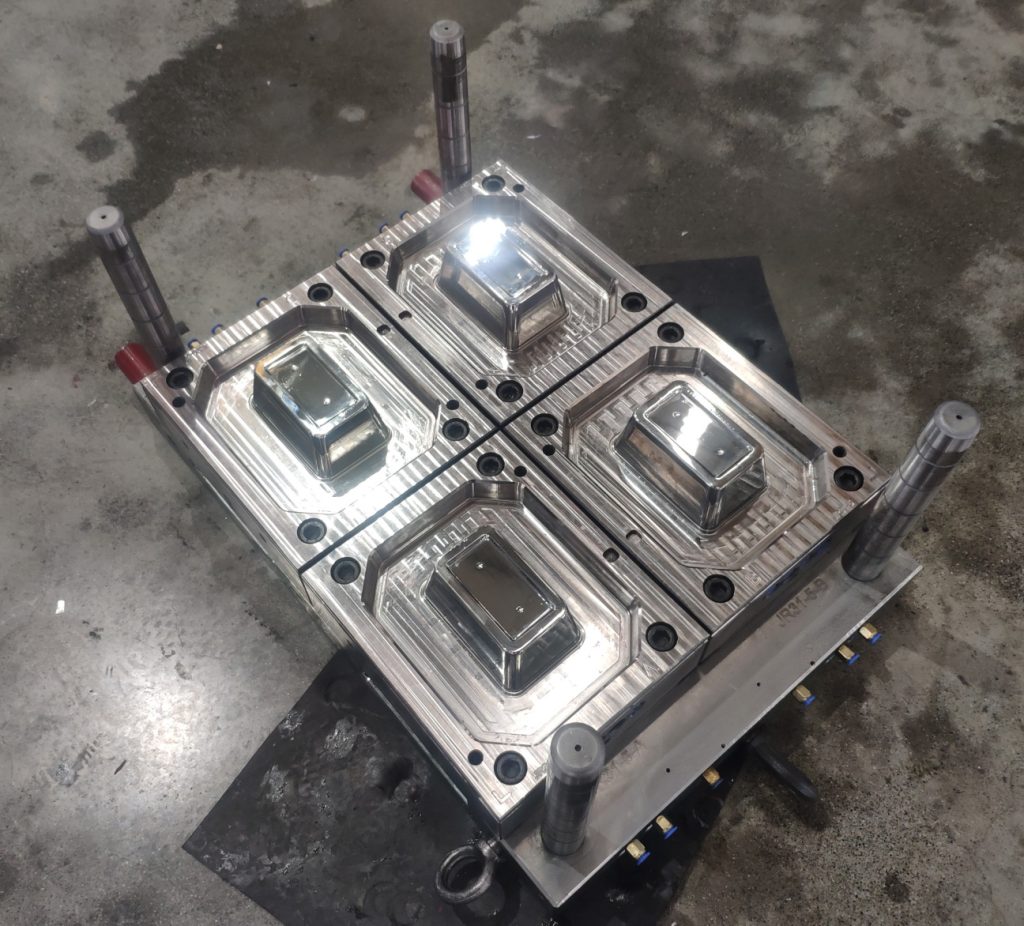
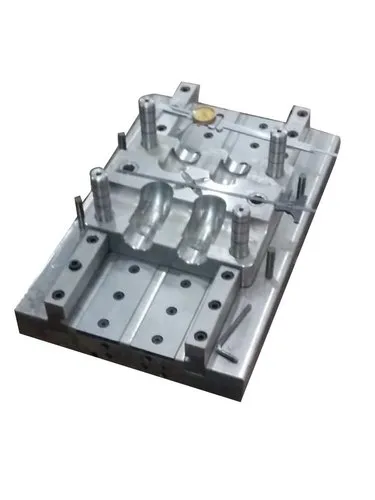
Quality control plays a critical role in stationery mould manufacturing, as products such as pens, rulers, files, folders, geometry boxes, and classroom accessories demand consistent dimensions, smooth finishes, and long service life. Effective quality control ensures reliable mould performance, reduced rejection rates, and high-quality end products.
1. Material Inspection and Verification
Quality control begins with the inspection of raw materials used for mould construction. Tool steels such as P20, H13, or stainless steel grades are verified for chemical composition, hardness, and heat-treatment quality. Ensuring correct material selection helps prevent premature wear, corrosion, and dimensional instability during long production runs.
2. Precision Machining and Dimensional Accuracy
Stationery moulds require tight tolerances to maintain uniformity across high-volume production. CNC machining, EDM, and grinding processes are continuously monitored using precision measuring instruments such as CMMs, vernier calipers, and optical comparators. Regular dimensional checks ensure that cavities, cores, and inserts match design specifications exactly.
3. Surface Finish and Polishing Control
Many stationery products are user-facing and visually sensitive. Quality control focuses on surface finish consistency through controlled polishing processes. Inspection under proper lighting and magnification ensures the absence of scratches, flow marks, or polishing defects that could affect product appearance or usability.
4. Mould Assembly and Fitment Checks
Accurate assembly is essential for smooth mould operation. Quality checks verify alignment of cavities, cores, sliders, ejector systems, and guide pillars. Proper fitment prevents flash formation, uneven wall thickness, and premature component wear during injection moulding.
5. Trial Runs and Functional Testing
Mould trials are conducted under actual production conditions to evaluate part quality, cycle time, filling balance, and ejection performance. Quality teams analyze sample parts for dimensional consistency, weight variation, warpage, and surface defects. Necessary adjustments are made before final approval.
6. Process Control and Documentation
Standard operating procedures (SOPs), inspection checklists, and quality records are maintained throughout the manufacturing process. Process control documentation ensures repeatability, traceability, and compliance with customer and industry standards.
7. Durability and Lifecycle Validation
Stationery moulds often run in high-volume environments. Quality control includes testing mould components for wear resistance and endurance over extended cycles. Preventive checks help confirm that the mould can sustain long production runs with minimal maintenance.
8. Final Inspection and Customer Approval
Before dispatch, a comprehensive final inspection is carried out covering dimensions, surface quality, functionality, and overall workmanship. Detailed inspection reports and trial samples are shared with customers to ensure confidence and approval prior to mass production.
Conclusion
Quality control in stationery mould manufacturing ensures consistent product quality, reduced production downtime, and long-term mould reliability. By integrating rigorous inspections, precise machining controls, and thorough testing procedures, manufacturers can deliver durable, cost-effective, and visually appealing stationery moulds that meet market expectations.