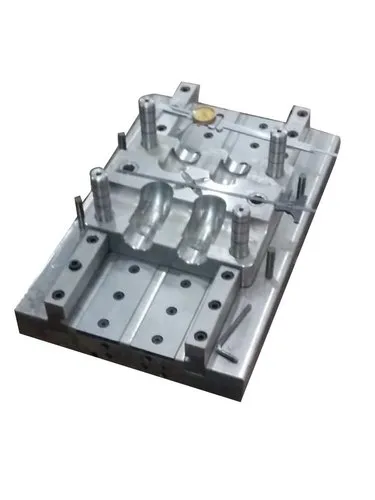
The automotive industry is undergoing a major transformation as manufacturers shift towards sustainability, resource efficiency, and circular economy practices. One of the most impactful steps in this journey is the increasing use of recyclable moulded parts, which help reduce environmental impact while improving cost efficiency and regulatory compliance.
1. Importance of Recyclable Moulded Parts
a. Environmental Sustainability
Using recyclable plastics and moulded components significantly reduces waste sent to landfills. These materials can be reprocessed and reused, lowering the industry’s overall carbon footprint.
b. Compliance With Global Regulations
Governments worldwide are tightening rules on automotive waste, end-of-life vehicle (ELV) management, and carbon emissions. Recyclable moulded parts help manufacturers meet these standards.
c. Cost Reduction
Recycling reduces raw material consumption and energy usage, making production more economical. This is especially beneficial for large-volume components like interior trims and bumpers.
2. Common Recyclable Materials Used in Automotive Moulding
1. Polypropylene (PP)
Highly recyclable
Lightweight and durable
Widely used for bumpers, dashboards, trims, and housings
2. Polyethylene (PE)
Excellent chemical resistance
Used for fuel tanks, reservoir bottles, and under-bonnet components
3. ABS (Acrylonitrile Butadiene Styrene)
Tough and heat-resistant
Common in interior parts, instrument panels, and structural brackets
4. PET and rPET
Increasingly used for carpet fibres and lightweight structural components
Derived from recycled beverage bottles
5. Recycled Nylon (PA)
Used for high-strength parts such as engine covers and connectors
Made from post-consumer fishing nets and industrial scrap
3. Key Automotive Components Made From Recyclable Moulded Parts
Bumpers and exterior panels
Door trims and dashboard components
Air ducts, vents, and HVAC parts
Engine covers and under-body shields
Wheel arch liners
Seats and interior panels using recycled fibres
These components are designed for both functional performance and easy recyclability at the end of a vehicle’s life.
4. Manufacturing Technologies Supporting Recyclability
a. Injection Moulding
Allows precise manufacturing of complex parts with high repeatability, ideal for recyclable thermoplastics.
b. Blow Moulding
Used for hollow components like fuel tanks and ducts, often from recyclable PE.
c. Compression Moulding
Effective for recycled fibre composites used in interior panels and structural reinforcements.
d. Over-moulding
Combines recycled materials with virgin polymers to balance performance and cost.
5. Benefits for Automakers
1. Lightweighting
Recyclable plastics reduce vehicle weight, improving fuel efficiency and EV range.
2. Lower Production Costs
Recycled resins are more affordable than many virgin polymers.
3. Enhanced Brand Image
Customers are increasingly valuing eco-friendly vehicles, giving automakers a competitive advantage.
4. Improved Circularity
Designing for recyclability supports closed-loop manufacturing systems.
6. Challenges in Implementing Recyclable Moulded Parts
Ensuring consistent quality in recycled materials
Mechanical strength limitations compared to virgin polymers
Sorting and processing complexities at end-of-life
Compatibility issues in multi-material components
However, ongoing innovations—such as improved recycling technologies and additive-enhanced recycled resins—are rapidly overcoming these barriers.
7. Future Trends
Growing use of bio-based recyclable plastics
Development of mono-material designs for easier recycling
Adoption of AI-driven sorting technologies in recycling plants
Increasing use of recycled composites in EV battery components and structural parts
Conclusion
Recyclable moulded parts are becoming a cornerstone of sustainable automotive manufacturing. By integrating recyclable polymers, advanced moulding technologies, and circular design principles, the automotive industry is moving closer to its goals of reducing environmental impact, improving resource efficiency, and delivering greener vehicles to the market.