The rise of sustainable manufacturing has pushed the furniture industry to explore innovative materials that reduce environmental impact without compromising performance. One of the most effective solutions gaining momentum is the use of recycled plastics in furniture moulding. These materials are not only eco-friendly but also offer cost benefits and excellent design flexibility.
1. What Are Recycled Plastics?
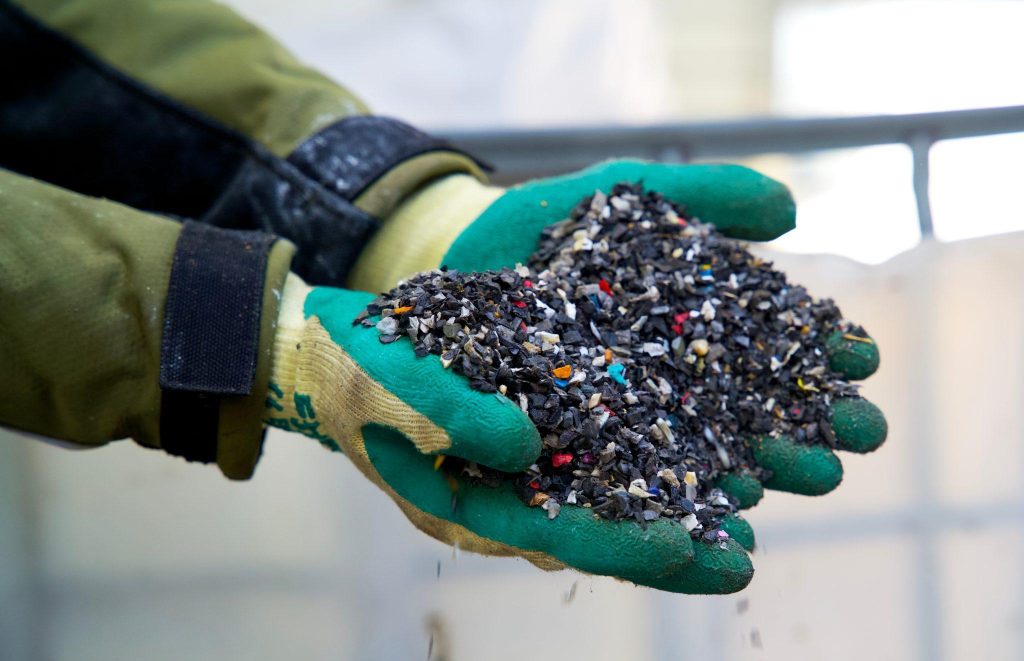
Recycled plastics are materials recovered from post-consumer or post-industrial waste—such as bottles, packaging, or factory scrap—and reprocessed into usable plastic pellets.
Common types used in furniture moulding include:
rPP (Recycled Polypropylene)
rPE (Recycled Polyethylene – HDPE and LDPE)
rABS
rPET
Mixed recycled plastics (composites)
These materials are processed through sorting, cleaning, shredding, and pelletizing before they can be moulded into furniture parts.
2. Benefits of Using Recycled Plastics in Furniture Moulding
✔ Environmental Benefits
Reduces plastic pollution and landfill waste
Saves natural resources by minimizing virgin plastic use
Lowers carbon footprint during manufacturing
✔ Cost Advantages
Recycled resin is often cheaper than virgin resin
Suitable for high-volume manufacturing
Reduced material costs improve overall production economics
✔ Design and Functional Benefits
Can be used in injection, blow, and rotational moulding
Offers good impact resistance and durability
Allows complex designs with modern textures and colours
3. Applications in Furniture Industry
Recycled plastics are increasingly used to manufacture:
Chairs, stools, and benches
Tables and office furniture components
Outdoor furniture & garden sets
Kids’ furniture
Decorative items and accessories
Because recycled plastics withstand weather, moisture, and impact, they are ideal for both indoor and outdoor applications.
4. Challenges in Using Recycled Plastics
Despite their advantages, recycled plastics come with some challenges:
✘ Material Inconsistency
Different batches may vary in quality or properties.
✘ Colour Limitations
Achieving bright or uniform colours can be difficult.
✘ Mechanical Strength Issues
Recycled plastics may have slightly lower tensile strength than virgin materials.
✘ Contamination Risks
Improper sorting or impurities can affect moulding performance.
5. How Manufacturers Overcome These Challenges
Material Blending: Mixing recycled resin with a percentage of virgin resin
Additives: Using stabilizers, colour masterbatches, and impact modifiers
Advanced Sorting Technologies: NIR sorting, density separation
Quality Control: Melt flow index (MFI) testing, impact testing, colour checks
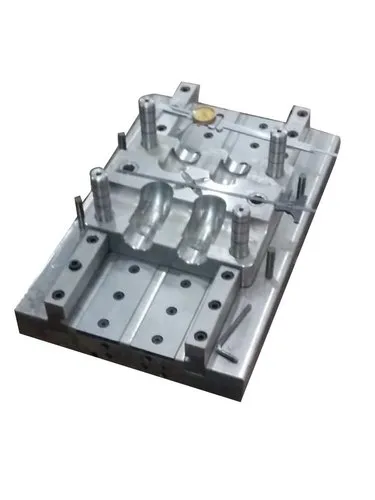
Optimized mould design: Reinforcements and ribs improve strength
6. Future Trends in Recycled Plastic Furniture
100% recycled plastic furniture lines by global brands
Bio-fillers (rice husk, bamboo fibre, wood powder) blended with recycled plastics
Automation & AI-based sorting for better material purity
Closing the loop — furniture made from plastics that can be recycled again
Growing government regulations encouraging recycled content usage
7. Conclusion
Recycled plastics are transforming furniture moulding by offering a sustainable, affordable, and versatile alternative to virgin materials. With advancements in recycling technologies and growing environmental awareness, the use of recycled plastics in furniture manufacturing will continue to expand, supporting a greener and more circular economy.