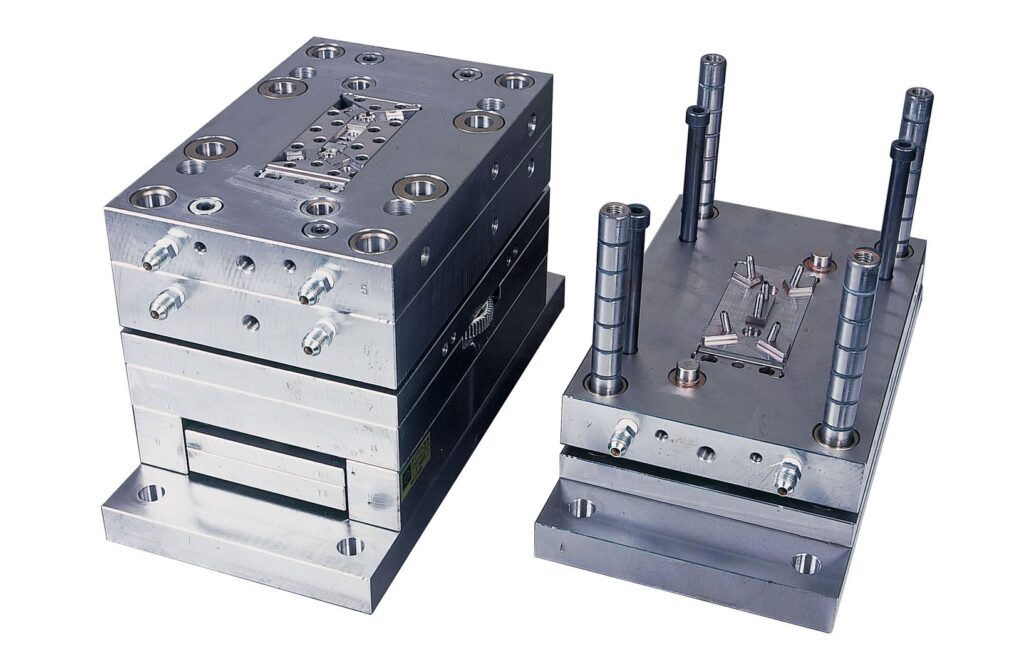
Medical moulds play a critical role in the production of medical devices and components that directly impact patient safety. As a result, their design, manufacture, validation, and maintenance must comply with stringent international regulatory standards. Among the most important frameworks governing medical moulds are ISO 13485 and U.S. FDA regulations, which together ensure consistent quality, traceability, and regulatory compliance across the medical device supply chain.
Importance of Regulatory Compliance in Medical Moulds
Medical moulds are considered part of the manufacturing infrastructure for medical devices. Any defect or inconsistency in a mould can lead to non-conforming products, regulatory violations, recalls, or patient risk. Compliance ensures:
Consistent production of safe and effective medical components
Control of risks related to contamination, dimensional variation, and material integrity
Traceability and accountability throughout the mould lifecycle
Acceptance by global regulatory authorities and OEMs
ISO 13485: Quality Management System for Medical Devices
ISO 13485 is the internationally recognized quality management standard specifically developed for the medical device industry. While the standard applies to medical device manufacturers, it also extends to toolmakers and mould suppliers involved in producing critical tooling.
Key ISO 13485 Requirements Relevant to Medical Moulds
Design and Development Control
Medical moulds must be designed using documented procedures, design reviews, risk analysis, and verification activities to ensure they meet product and regulatory requirements.Risk Management
Risks related to mould design, material selection, wear, contamination, and process variation must be identified, assessed, and mitigated throughout the mould’s lifecycle.Process Validation
Moulds used in medical applications require validated moulding processes (IQ, OQ, PQ) to demonstrate consistent performance under defined conditions.Material and Supplier Control
Tool steels, surface coatings, and mould components must be traceable, and suppliers must be evaluated and approved under controlled procedures.Change Management
Any modification to the mould design, inserts, cavities, or process parameters must follow a controlled change management process with documented approval.Documentation and Traceability
Complete records for mould design, manufacturing, inspection, maintenance, and validation must be maintained and auditable.
FDA Regulations and Medical Mould Compliance
In the United States, medical devices are regulated by the Food and Drug Administration (FDA) under 21 CFR Part 820 – Quality System Regulation (QSR). While mould manufacturers may not be directly registered as device manufacturers, their tooling must support FDA-compliant production.
FDA Expectations for Medical Moulds
Quality System Compliance
Moulds must support manufacturing processes that comply with FDA QSR requirements, including controlled processes and documented procedures.Process and Tool Validation
FDA requires evidence that moulds consistently produce parts meeting specifications. This includes documented mould qualification and process validation data.Contamination Control
Mould design must minimize contamination risks through proper venting, surface finishes, corrosion-resistant materials, and compatibility with cleanroom environments.Change Control and Traceability
Any mould changes that could impact the medical device must be reviewed, validated, and documented to maintain regulatory compliance.Audit Readiness
Mould documentation may be reviewed during FDA audits of medical device manufacturers, making transparency and traceability essential.
Alignment Between ISO 13485 and FDA Requirements
ISO 13485 and FDA QSR share many common principles, including:
Risk-based thinking
Process validation
Document control
Corrective and preventive actions (CAPA)
Continuous improvement
Medical moulds developed under an ISO 13485-compliant system are generally well aligned with FDA expectations, facilitating smoother regulatory approvals and audits.
Best Practices for Regulatory-Compliant Medical Moulds
Design moulds specifically for medical applications, not adapted from general-purpose tooling
Use corrosion-resistant and medical-grade tool steels
Implement structured mould qualification (IQ/OQ/PQ)
Maintain detailed mould history and maintenance records
Work closely with medical OEMs to align validation and documentation needs
Conclusion
Compliance with ISO 13485 and FDA regulations is essential for medical moulds used in healthcare and life-science applications. By following these regulatory standards, mould manufacturers ensure high levels of quality, reliability, and patient safety while enabling medical device manufacturers to meet global regulatory requirements with confidence.