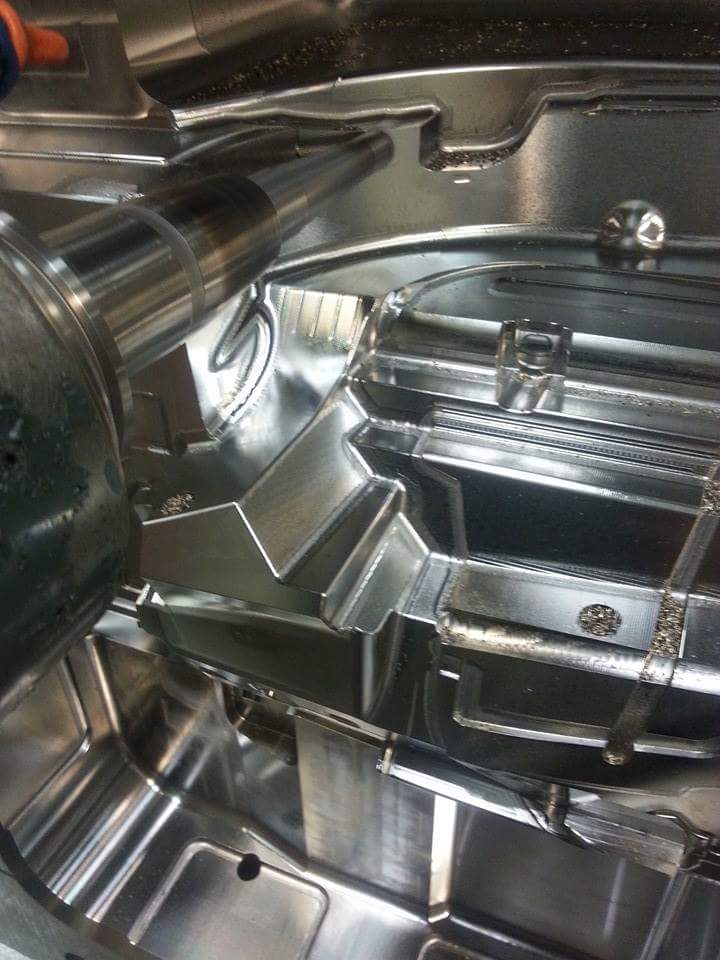
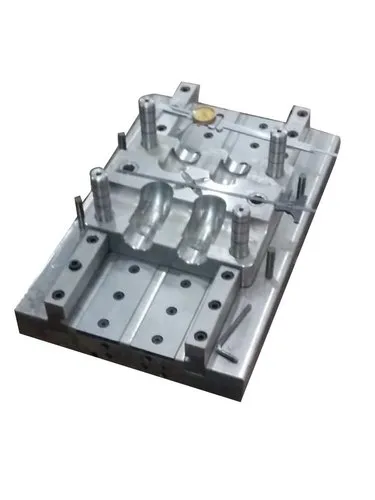
Surface finish plays a critical role in the design and performance of cosmetic moulds, directly influencing product appearance, functionality, hygiene, and brand perception. Since cosmetic packaging is a premium, consumer-facing product, even minor surface imperfections can significantly impact market acceptance.
1. Aesthetic Quality and Brand Appeal
Cosmetic containers such as lipstick cases, compact powder boxes, and cream jars demand a flawless, high-gloss, or finely textured finish. The surface finish of the mould is accurately replicated on the plastic part, determining clarity, shine, and visual uniformity. Premium finishes enhance perceived product value and help brands differentiate themselves in a competitive market.
2. Product Texture and Functional Feel
Surface finish affects the tactile experience of cosmetic packaging. Smooth finishes provide a luxurious feel, while matte or textured surfaces improve grip and reduce fingerprint visibility. Consistent mould finishing ensures uniform texture across batches, maintaining a consistent user experience.
3. Ease of Part Ejection and Reduced Defects
A well-polished mould surface improves part release during injection moulding, minimizing sticking, drag marks, and surface scratches. Proper surface finishing reduces defects such as flow lines, burn marks, and weld line visibility, leading to higher production efficiency and lower rejection rates.
4. Hygiene and Cleanability
Cosmetic products require high standards of cleanliness. Smooth, well-finished mould surfaces reduce micro-crevices where dust, residue, or contaminants can accumulate. This is especially important for products in direct contact with creams, powders, or applicators, ensuring compliance with hygiene and quality standards.
5. Durability and Wear Resistance
High-quality surface finishing processes such as mirror polishing, hard chrome plating, or specialized coatings increase mould resistance to wear, corrosion, and chemical attack from cosmetic formulations. This extends mould life and maintains consistent part quality over long production runs.
6. Compatibility with Decoration and Branding
Surface finish influences downstream processes like printing, hot stamping, laser engraving, and metallization. Controlled surface textures ensure strong adhesion of decorative coatings and precise reproduction of logos, patterns, and branding elements.
7. Control of Optical Properties
For transparent or translucent cosmetic packaging, surface finish directly affects light transmission and clarity. High-polish mould surfaces are essential to achieve crystal-clear parts without haze, swirl marks, or optical distortion.
8. Consistency in Mass Production
Uniform surface finishing across all cavities in multi-cavity moulds ensures consistent part appearance. This is crucial for cosmetic brands that demand identical visual quality across millions of units.
Conclusion
The surface finish of cosmetic moulds is not just a cosmetic consideration—it is a key technical factor that influences product quality, functionality, hygiene, and brand value. Investing in precise mould finishing techniques ensures superior aesthetics, reliable production, and long-term mould performance, making surface finish a vital aspect of cosmetic mould manufacturing.