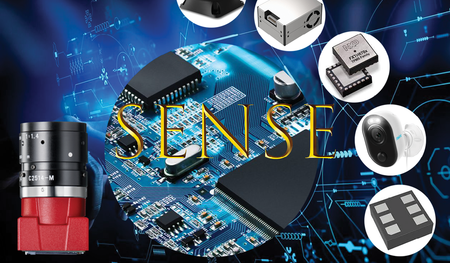
Smart moulds equipped with embedded sensors represent a major shift in modern manufacturing, enabling higher accuracy, faster production cycles, reduced defects, and real-time process monitoring. By integrating advanced sensor technologies directly into the mould structure, manufacturers can capture critical data at every stage of the moulding process, ensuring consistent product quality and efficient operation.
1. Introduction to Smart Moulds
Smart moulds are traditional moulds enhanced with sensors and electronic monitoring systems. These sensors measure various parameters during injection, blow, compression, or rotational moulding. The real-time data collected helps manufacturers optimize the process, detect issues early, and enhance mould lifespan.
2. Types of Sensors Used in Smart Moulds
Smart moulds typically incorporate one or more of the following sensor types:
a. Temperature Sensors
Monitor melt and mould temperatures at critical points
Ensure uniform cooling and prevent defects like warpage or sink marks
b. Pressure Sensors
Measure cavity pressure during injection
Help optimize injection speed, holding pressure, and cycle time
c. Strain / Stress Sensors
Detect mould deformation
Prevent failures and improve structural design
d. Flow Sensors
Track resin flow rate and distribution inside the mould
Ensure complete filling and avoid short shots
e. Humidity and Gas Sensors
Useful in moulds for materials sensitive to moisture
Detect gases generated during moulding to avoid burning or voids
f. Vibration Sensors
Monitor mould wear, mechanical movements, and machine alignment
Improve predictive maintenance
3. Benefits of Smart Moulds with Embedded Sensors
a. Improved Product Quality
Real-time data helps maintain optimal process conditions
Reduces defects, shrinkage, warpage, and dimensional inaccuracies
b. Predictive Maintenance
Sensors detect early signs of mould wear, cracks, or misalignment
Minimize downtime and extend mould life
c. Reduced Production Costs
Lower scrap rate
Optimized cycle time
Efficient use of material and energy
d. Data-Driven Manufacturing
Sensor data integrates with digital systems like MES, ERP, and Industry 4.0 platforms
Enables full process traceability
e. Faster Troubleshooting
Operators can identify abnormal conditions immediately
Simplifies root-cause analysis during production
4. Applications of Smart Moulds
Smart moulds are widely used across industries that demand precision and reliability:
Automotive – interior components, lighting parts, safety components
Medical Devices – syringes, diagnostic equipment, small precision parts
Consumer Electronics – phone housings, connectors, microplastic components
Packaging – caps, closures, thin-wall containers
Aerospace – lightweight composite components
Industrial Products – gears, tools, engineering plastics
5. Integration with Industry 4.0
Smart moulds play a key role in Industry 4.0 by supporting:
IoT-enabled data connectivity
Cloud-based monitoring
AI-driven process optimization
Automated quality inspection
Digital twins for mould and process simulation
6. Future Trends in Smart Mould Technology
a. Wireless Sensors and IoT Modules
Reducing wiring complexity and enabling remote monitoring.
b. Self-Diagnosing Moulds
Moulds capable of warning operators about potential failures.
c. AI-Based Process Control
AI algorithms adjusting process parameters automatically based on sensor feedback.
d. Energy-Efficient Moulds
Sensors optimizing cooling and heating cycles to reduce power consumption.
e. Additive Manufacturing for Sensor Channels
3D printing used to integrate sensor pathways inside moulds with high precision.
Conclusion
Smart moulds with embedded sensors are transforming the mould manufacturing industry by offering real-time insights, predictive maintenance, and improved productivity. As manufacturers push toward digital and automated operations, smart moulds will become a standard requirement for high-quality, efficient, and data-driven moulding processes.