Standardization and dimensional consistency are critical factors in mould manufacturing, directly influencing product quality, interchangeability, production efficiency, and long-term tool performance. In high-volume and precision-driven industries such as medical, packaging, automotive, and consumer goods, maintaining consistent dimensions across mould components and molded parts is essential.
Importance of Standardization in Mould Design
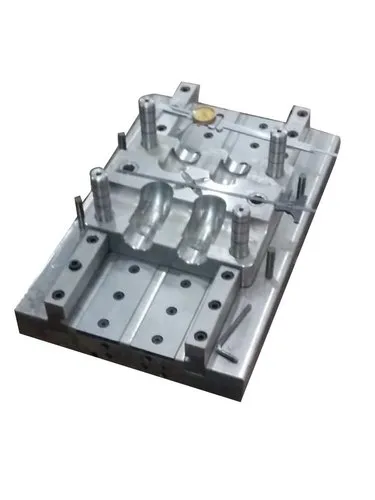
Standardization involves using uniform design practices, component sizes, materials, and processes across mould manufacturing. Adopting standardized mould components—such as ejector pins, guide pillars, bushes, and cooling fittings—offers several advantages:
Faster mould design and development cycles
Reduced tooling costs and inventory requirements
Easy replacement and maintenance of mould parts
Improved compatibility with injection moulding machines
Standardized mould bases and components also ensure smoother collaboration between designers, manufacturers, and maintenance teams.
Role of Dimensional Consistency
Dimensional consistency ensures that every molded part meets the specified tolerances throughout the production lifecycle. Even minor deviations can result in assembly issues, functional failures, or product rejection. Consistent dimensions are achieved through:
Precision machining and high-accuracy CNC operations
Proper mould alignment and balanced cavity layouts
Stable mould materials with minimal thermal expansion
Controlled injection parameters and cooling systems
Maintaining dimensional accuracy is especially vital for multi-cavity moulds, where uniformity across all cavities directly impacts productivity and part quality.
Tolerance Control and Measurement
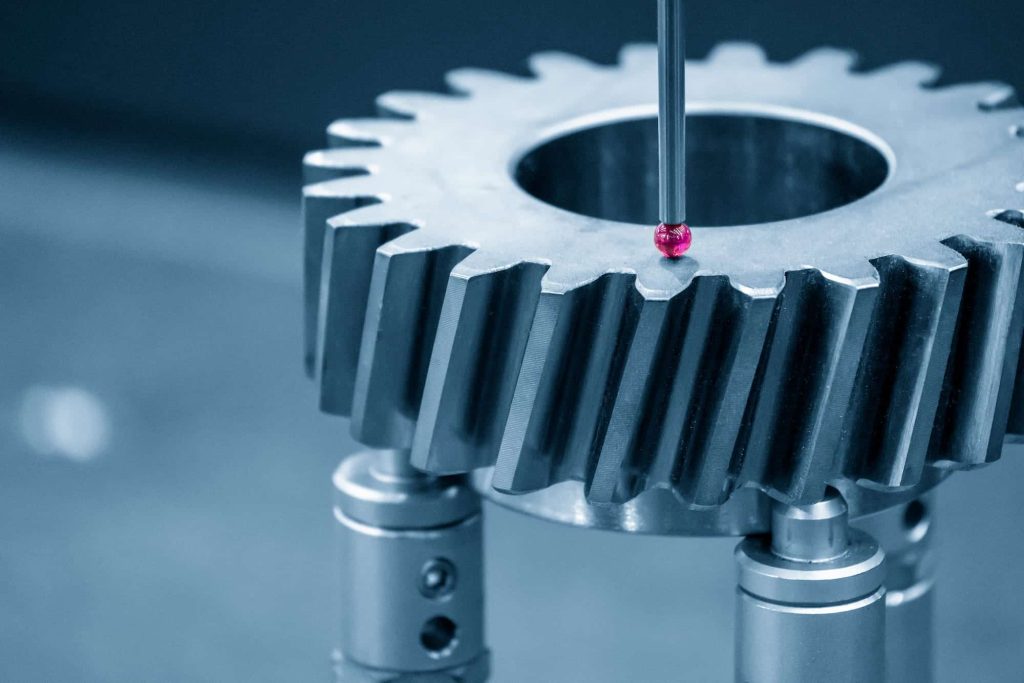
Tight tolerance control is essential for ensuring dimensional repeatability. Advanced measurement tools such as Coordinate Measuring Machines (CMM), optical scanners, and digital gauges are used to inspect mould components and molded parts. Regular dimensional audits help detect wear, deformation, or misalignment early, preventing costly downtime.
Impact on Product Quality and Production Efficiency
Standardized mould designs combined with dimensional consistency lead to:
Reduced scrap and rework rates
Stable and repeatable production runs
Improved surface finish and part fit
Enhanced customer satisfaction and compliance with industry standards
Consistency also simplifies scaling production and transferring moulds between machines or manufacturing locations.
Long-Term Benefits
Over time, standardized and dimensionally consistent moulds offer better durability, easier servicing, and predictable performance. This results in lower total cost of ownership, improved operational efficiency, and reliable product output across multiple production batches.
Conclusion
Standardization and dimensional consistency are foundational to successful mould manufacturing. By implementing standardized components, precise machining, strict tolerance control, and regular quality inspections, manufacturers can achieve reliable, high-quality moulds that support efficient, scalable, and cost-effective production.