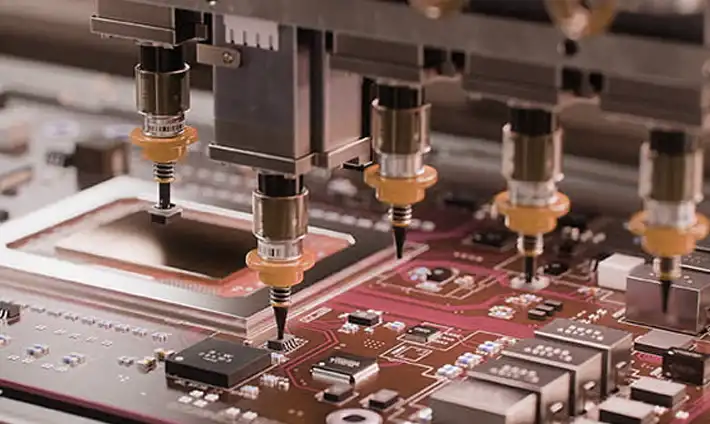
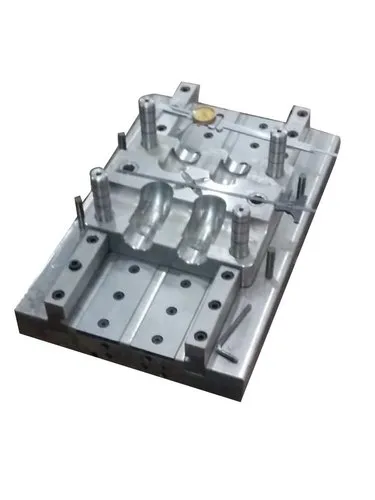
Electronic moulded parts are widely used in consumer electronics, automotive electronics, medical devices, and industrial equipment. These components must meet strict mechanical, electrical, and environmental performance requirements. However, failures in electronic moulded parts can lead to product malfunction, safety risks, recalls, and increased warranty costs. A systematic study of these failures helps manufacturers identify root causes, improve design and process control, and enhance overall product reliability.
Common Types of Failures in Electronic Moulded Parts
1. Mechanical Failures
Cracking and Fracture: Caused by residual stresses, improper material selection, or sharp corners in mould design.
Warping and Distortion: Results from uneven cooling, incorrect gate placement, or non-uniform wall thickness.
Insert Loosening: Poor insert-moulding parameters or insufficient mechanical locking features.
2. Electrical Failures
Short Circuits: Due to flash, material flow over conductive paths, or moisture ingress.
Open Circuits: Caused by damage to wires, pins, or PCBs during moulding.
Insulation Breakdown: Occurs when polymer dielectric strength is inadequate or degraded.
3. Thermal Failures
Heat Deformation: High processing or operating temperatures exceeding material limits.
Thermal Fatigue: Repeated heating and cooling cycles leading to microcracks.
Component Damage: Sensitive electronic components damaged during overmoulding.
4. Environmental Failures
Moisture Absorption: Hygroscopic plastics causing swelling and electrical leakage.
Chemical Attack: Exposure to oils, solvents, or cleaning agents degrading the polymer.
UV Degradation: Loss of mechanical strength and discoloration in outdoor applications.
Root Causes of Failures
Design-Related Causes
Inadequate wall thickness and rib design
Sharp corners causing stress concentration
Poor venting leading to burn marks and weak spots
Insufficient protection of electronic components
Material-Related Causes
Incorrect resin selection for electrical or thermal performance
Incompatible material combinations in insert or overmoulding
Contamination or recycled material with inconsistent properties
Process-Related Causes
Excessive injection pressure or temperature
Improper cooling time and mould temperature control
Poor alignment of inserts or electronic assemblies
Inadequate drying of hygroscopic materials
Failure Analysis Techniques
Visual Inspection: Identification of cracks, flash, burn marks, or deformation
Microscopic Analysis: Detection of microcracks and interfacial defects
Electrical Testing: Insulation resistance, continuity, and dielectric strength tests
Thermal Analysis: DSC and TGA to assess material degradation
Environmental Testing: Thermal cycling, humidity, vibration, and chemical exposure tests
Root Cause Analysis (RCA): Using tools like Fishbone Diagram and FMEA
Impact of Failures
Reduced product reliability and lifespan
Increased rejection rates and rework costs
Customer dissatisfaction and brand damage
Non-compliance with regulatory standards (RoHS, CE, UL)
Potential safety hazards in critical applications
Preventive Measures and Best Practices
Early-stage DFM (Design for Manufacturability) and DFMEA implementation
Selection of materials with appropriate dielectric, thermal, and mechanical properties
Optimized mould design with proper gating, venting, and cooling
Controlled processing parameters and strict quality checks
Pre-moulding validation of electronic components
Regular mould maintenance and process audits
Case Study Example (Brief)
In an automotive sensor housing, repeated electrical failures were traced to moisture ingress caused by microcracks near insert locations. By switching to a low-moisture-absorption polymer and optimizing cooling parameters, failure rates were reduced by over 60%.
Conclusion
The study of failures in electronic moulded parts is critical for improving product quality and reliability. A holistic approach involving design optimization, material selection, controlled processing, and thorough testing can significantly reduce failure risks. Continuous failure analysis and feedback loops help manufacturers stay competitive in the fast-evolving electronics industry.