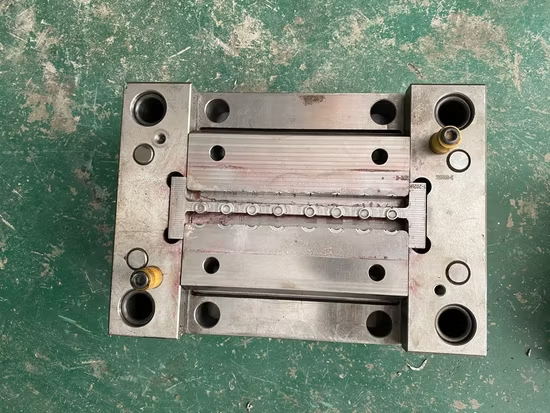
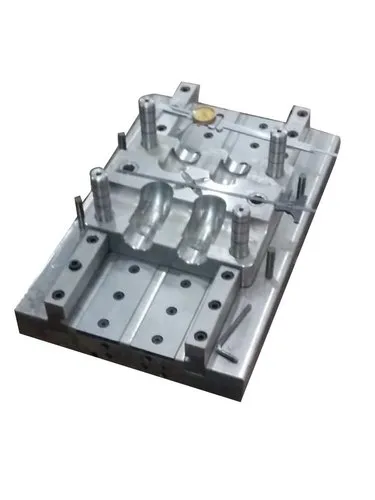
Surface finish and texture play a crucial role in the quality, usability, and visual appeal of stationery products manufactured through injection moulding. Items such as pens, rulers, clips, erasers, sharpeners, and organizers are handled frequently, making surface characteristics an important factor in both functionality and customer satisfaction.
Importance of Surface Finish in Stationery Products
A high-quality surface finish enhances the overall appearance of stationery items, giving them a smooth, professional look. Glossy finishes are often used for premium products like pen barrels and decorative covers, while matte finishes help reduce glare on rulers and writing instruments. Proper surface finishing also minimizes visible flow lines, sink marks, and weld lines, improving perceived product quality.
Functional Benefits of Surface Texture
Surface texture is not only aesthetic but also functional. Textured surfaces provide better grip, which is essential for items such as pens, markers, and scissors handles. Fine textures improve tactile comfort and prevent slipping during use, especially for children and long-duration writing tasks. In educational stationery, textured surfaces can also enhance safety by reducing sharp reflections and fingerprints.
Common Surface Finish Types Used in Stationery Moulds
Polished Finish (SPI A/B): Used for transparent or high-gloss parts like pen bodies and display components.
Semi-Gloss Finish: Balances appearance and durability, commonly applied to everyday stationery items.
Matte Finish: Reduces glare and fingerprints, ideal for rulers, geometry boxes, and flat surfaces.
Textured Finish (VDI or Mold-Tech): Adds grip and hides minor surface defects, widely used in utility stationery.
Role of Mould Surface Preparation
The final surface finish of a stationery product depends heavily on mould surface preparation. Processes such as polishing, bead blasting, chemical etching, or laser texturing are used to achieve the desired finish. Precision in mould machining ensures uniform texture across all cavities, which is especially important in high-cavity stationery moulds for mass production.
Impact on Product Durability and Maintenance
Proper surface finish improves wear resistance and extends the life of stationery products. Textured surfaces are less prone to scratches and visible damage, making them suitable for school-use items. Additionally, well-finished mould surfaces reduce plastic adhesion, enabling smoother ejection and minimizing mould maintenance.
Cost and Production Considerations
While high-polish and complex textures can increase mould manufacturing costs, they often reduce post-processing and rejection rates. Selecting the appropriate surface finish based on product application helps balance cost, performance, and aesthetics. For high-volume stationery production, durable and consistent textures offer long-term cost efficiency.
Conclusion
Surface finish and texture are vital elements in stationery mould design, influencing aesthetics, ergonomics, durability, and production efficiency. By carefully selecting and controlling mould surface characteristics, manufacturers can produce high-quality stationery products that meet functional needs and market expectations while maintaining cost-effective manufacturing processes.