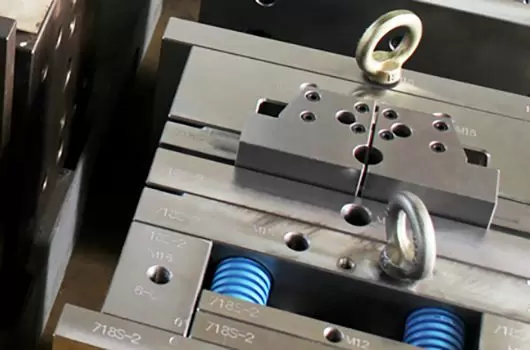
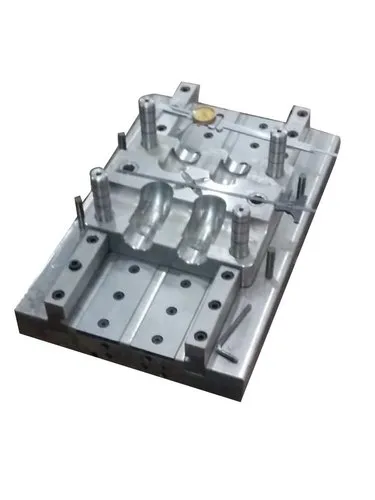
Sustainability has become a core requirement in the cosmetic packaging industry, driving mould manufacturers to adopt eco-friendly materials, energy-efficient processes, and long-lasting mould designs. Sustainable cosmetic moulds support environmentally responsible production while maintaining high aesthetic quality, precision, and hygiene standards.
Use of Sustainable Materials
Eco-friendly cosmetic moulds are designed to process recyclable, biodegradable, and bio-based plastics such as PET, rPET, PP, PLA, and PCR (Post-Consumer Recycled) materials. Mould steels with high corrosion resistance and extended service life reduce frequent replacements, minimizing raw material consumption and environmental impact.
Energy-Efficient Mould Design
Optimized cooling channel layouts, conformal cooling, and efficient heat transfer systems reduce cycle times and energy consumption. Low-pressure moulding designs and balanced runner systems help decrease machine load, supporting reduced electricity usage during high-volume cosmetic production.
Compatibility with Recycled and PCR Materials
Sustainable moulds are engineered to handle the flow variability, fillers, and moisture sensitivity of recycled plastics. Special attention is given to venting, gate design, and surface finish to ensure consistent part quality, smooth surfaces, and premium cosmetic appearance even with eco-friendly materials.
Long-Life and Low-Maintenance Tooling
High-quality tool steels, advanced surface coatings (PVD, nitriding), and precision machining increase mould durability. Reduced wear and corrosion lead to fewer repairs, less downtime, and lower overall carbon footprint throughout the mould’s lifecycle.
Waste Reduction and Material Optimization
Multi-cavity moulds, hot runner systems, and runner-less moulding significantly reduce plastic waste. Accurate part weight control and thin-wall moulding techniques help minimize material usage while preserving structural integrity and visual appeal.
Sustainable Manufacturing Practices
Eco-conscious mould manufacturers adopt CNC machining optimization, reuse of scrap materials, water-based cleaning processes, and controlled waste disposal. Digital simulation tools such as mold flow analysis reduce trial runs and raw material wastage during development.
Compliance with Environmental Regulations
Sustainable cosmetic moulds support compliance with global environmental standards and regulations, including REACH, RoHS, and cosmetic packaging sustainability guidelines. This enables cosmetic brands to meet ESG goals and consumer expectations for green packaging.
Support for Refillable and Minimalist Packaging
Moulds designed for refillable cosmetic containers, mono-material packaging, and minimalist designs contribute to reduced plastic consumption. Precision moulding ensures reliable closures and long-term usability for refill systems.
Benefits of Sustainable Cosmetic Moulds
Reduced environmental impact and carbon footprint
Lower energy and material consumption
Compatibility with recycled and bio-based plastics
Extended mould life and reduced maintenance
Alignment with global sustainability and ESG goals
Future Trends in Eco-Friendly Cosmetic Moulding
Advancements in bio-polymers, smart mould monitoring, additive manufacturing for conformal cooling, and carbon-neutral production processes will further enhance sustainability in cosmetic mould manufacturing.