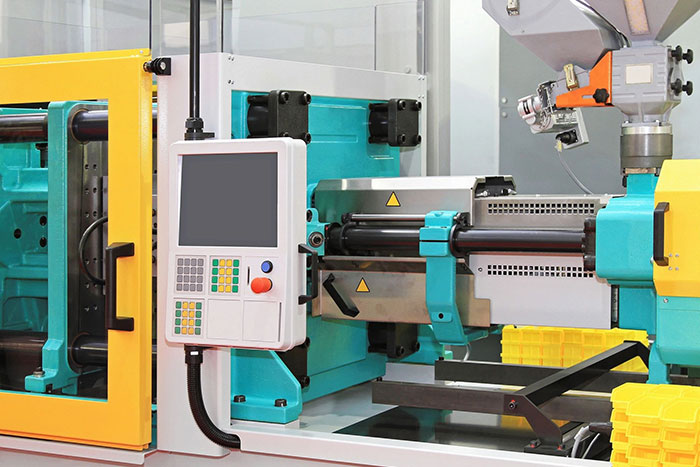
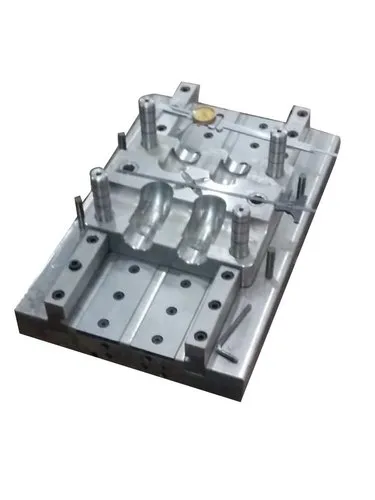
Injection molding has revolutionized modern manufacturing by enabling high-volume, precision production of complex parts. This technique, which involves injecting molten material into a mold, is widely used for producing plastic components across industries such as automotive, healthcare, consumer electronics, packaging, and more. The global impact of injection molding extends far beyond efficiency—it shapes economies, sustainability strategies, and innovation across the world.
1. Economic Impact
Mass Production at Lower Costs
Injection molding allows for the rapid production of thousands to millions of parts with high repeatability and minimal labor involvement, significantly lowering the cost per unit. This scalability makes it a cornerstone of competitive manufacturing in both developed and emerging economies.
Support for Diverse Industries
From producing automotive dashboards to medical device casings, the versatility of injection molding supports a vast array of industries. This widespread application drives job creation, stimulates investment in tooling and machinery, and fosters technological innovation globally.
2. Technological Advancements
Precision and Complexity
Modern injection molding machines can produce intricate designs with tight tolerances, which is essential for high-performance applications like aerospace and healthcare. Innovations like micro-molding and multi-material molding continue to push the boundaries of what’s possible.
Automation and Smart Manufacturing
The integration of robotics, real-time monitoring, and AI-driven quality control into injection molding lines has transformed factories into highly efficient, data-driven operations. These advancements improve product quality and reduce downtime, enhancing global manufacturing competitiveness.
3. Environmental and Sustainability Considerations
Material Efficiency and Waste Reduction
Injection molding produces less waste compared to subtractive methods like machining. Additionally, the use of recycled plastics and biodegradable materials is becoming more common, aligning the process with circular economy goals.
Energy Use and Emission Reduction
Newer electric and hybrid injection molding machines consume less energy than traditional hydraulic models, reducing carbon footprints and making sustainable manufacturing more achievable on a global scale.
4. Global Supply Chain and Localization
Global Reach with Localized Production
Because molds can be shipped and used in facilities worldwide, companies can manufacture close to their end markets. This reduces shipping costs, shortens lead times, and enhances the ability to respond quickly to market demands.
Reshoring and Resilience
Injection molding has enabled many companies to bring manufacturing back to their home countries—reshoring—to reduce dependency on offshore production and create more resilient supply chains.
5. Challenges and Future Outlook
High Initial Tooling Costs
While injection molding is cost-effective for high volumes, the upfront cost for tooling remains a barrier for small-scale production. However, innovations like 3D printed molds and modular tooling are helping reduce this challenge.
Future Growth Areas
Advancements in materials science, automation, and additive manufacturing integration will continue to expand injection molding’s capabilities. The rise of Industry 4.0 and smart factories will further amplify its role in shaping the future of global manufacturing.
Conclusion
Injection molding has had a profound impact on global manufacturing by offering an efficient, scalable, and versatile method of production. Its continued evolution—driven by technology, sustainability efforts, and changing market dynamics—ensures it will remain a foundational process in the global industrial landscape for decades to come.