Traceability and documentation are critical components in medical tooling, ensuring product safety, regulatory compliance, and consistent quality throughout the lifecycle of a medical device. In an industry governed by strict standards, maintaining accurate records and traceability is not just a best practice—it is a mandatory requirement.
1. What is Traceability in Medical Tooling?
Traceability refers to the ability to track every stage of a medical tool or component—from raw material selection to final product delivery and even post-market use. It ensures that each part can be traced back to its origin, manufacturing conditions, and inspection history.
Key Aspects of Traceability:
- Material Traceability: Identifying and tracking raw materials, including supplier details and batch numbers.
- Process Traceability: Monitoring manufacturing processes such as machining, moulding, and finishing.
- Component Traceability: Assigning unique identifiers (e.g., serial numbers, barcodes) to individual parts.
- Operator Traceability: Recording personnel involved in each stage of production.
2. Importance of Traceability
Traceability plays a vital role in:
- Regulatory Compliance: Meeting standards such as ISO 13485 and FDA requirements.
- Quality Assurance: Ensuring defects can be quickly identified and contained.
- Recall Management: Enabling efficient product recalls by identifying affected batches.
- Risk Mitigation: Reducing liability by maintaining clear production histories.
3. Documentation in Medical Tooling
Documentation involves maintaining detailed records of every aspect of tooling design, manufacturing, testing, and maintenance. Proper documentation ensures transparency and repeatability.
Types of Documentation:
- Design Documentation: CAD drawings, specifications, and design validation reports.
- Process Documentation: SOPs (Standard Operating Procedures), work instructions, and process flow charts.
- Inspection Records: Quality control reports, dimensional inspection data, and testing results.
- Maintenance Logs: Tool servicing, repairs, and calibration records.
- Validation Documents: IQ (Installation Qualification), OQ (Operational Qualification), and PQ (Performance Qualification).
4. Regulatory Requirements
Medical tooling must comply with global regulatory frameworks, including:
- ISO 13485: Quality management systems for medical devices.
- FDA 21 CFR Part 820: Quality System Regulation (QSR) in the United States.
- EU MDR (Medical Device Regulation): Requirements for traceability and documentation in Europe.
These regulations emphasize:
- Complete documentation control
- Record retention policies
- Audit readiness
- Risk-based traceability
5. Tools and Technologies for Traceability
Modern medical tooling leverages advanced technologies to enhance traceability:
- ERP Systems: Integrate production, inventory, and quality data.
- MES (Manufacturing Execution Systems): Real-time tracking of manufacturing processes.
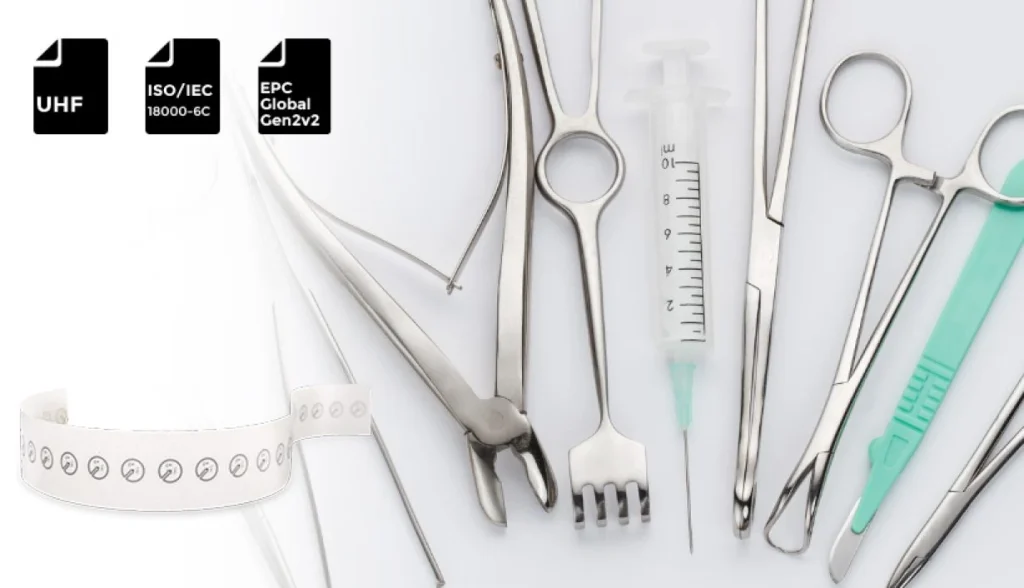
- Barcode & RFID Systems: Enable automated identification and tracking.
- Digital Twins: Virtual replicas of tooling systems for monitoring and analysis.
- Cloud-Based Document Management Systems: Secure and centralized data storage.
6. Best Practices
- Implement Unique Identification Systems: Use serial numbers or QR codes for every component.
- Maintain Real-Time Data Recording: Avoid manual errors with automated systems.
- Ensure Document Control: Version control, approval workflows, and secure access.
- Regular Audits: Conduct internal audits to ensure compliance.
- Employee Training: Ensure staff understand traceability procedures and documentation standards.
7. Conclusion
Traceability and documentation are the backbone of medical tooling quality and compliance. They not only ensure patient safety but also enhance operational efficiency and credibility in the global market. By adopting robust systems and best practices, manufacturers can meet regulatory demands while maintaining high standards of precision and reliability.