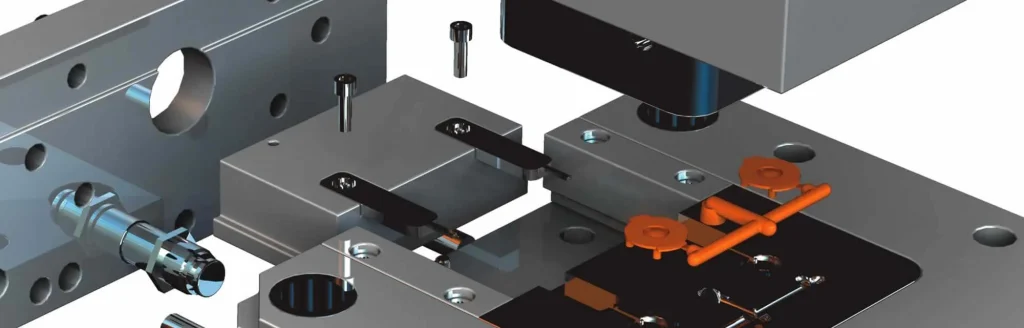
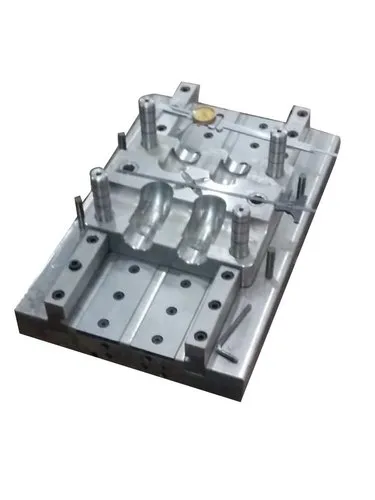
Mould designers play a critical role in the plastic injection moulding industry by transforming product concepts into manufacturable tooling solutions. To meet the increasing demands of precision, productivity, and cost efficiency, mould designers must possess a strong combination of technical education, software proficiency, practical training, and industry-specific skills.
1. Educational Background
A solid technical foundation is essential for mould designers. Common educational qualifications include:
Diploma or Degree in Mechanical Engineering, Tool & Die Engineering, or Production Engineering
ITI or vocational training in mould making or tool design (for entry-level roles)
Specialized certifications in CAD/CAM and mould design
Understanding engineering fundamentals such as mechanics, materials science, and manufacturing processes is critical for effective mould design.
2. Core Technical Skills
a) Mould Design Knowledge
Mould designers must understand:
Injection mould components (core, cavity, sliders, lifters, ejector systems)
Gate types, runner systems (hot and cold runner)
Cooling circuit design and thermal management
Venting and shrinkage control
Draft angles, parting lines, and undercuts
b) Plastic Processing Fundamentals
Behavior of thermoplastics and thermosets
Shrinkage, warpage, sink marks, and flow lines
Cycle time optimization
Compatibility of materials with mould steel
3. Software and Digital Skills
Proficiency in design and simulation software is mandatory:
CAD Software: AutoCAD, SolidWorks, CATIA, Siemens NX, Creo
Mould-specific tools: Moldflow, Moldex3D, SolidWorks Plastics
CAM knowledge for machining feasibility
Basic understanding of CNC machining and EDM processes
Simulation skills help designers predict defects, optimize cooling, and reduce trial costs.
4. Manufacturing and Shop-Floor Exposure
Hands-on experience bridges the gap between design and production:
Understanding mould manufacturing processes (milling, grinding, EDM, polishing)
Knowledge of mould assembly and fitting
Trial runs, defect analysis, and corrective actions
Interaction with machine operators and toolmakers
Practical exposure ensures designs are realistic, economical, and easy to manufacture.
5. Material and Steel Selection Skills
A mould designer must be trained to select suitable materials based on application:
Mould steels (P20, H13, 1.2316, 1.2083, etc.)
Surface treatments (nitriding, chrome plating, PVD coatings)
Plastic materials and additives
Wear, corrosion, and thermal resistance considerations
Correct selection directly affects mould life and part quality.
6. Quality and Industry Standards Knowledge
Designers should be familiar with relevant standards, especially for automotive and electronics sectors:
ISO standards for technical drawings
IATF 16949 requirements for automotive tooling
GD&T (Geometric Dimensioning and Tolerancing)
Documentation such as DFM, DFMEA, and PPAP
Compliance ensures consistency, traceability, and customer approval.
7. Problem-Solving and Analytical Skills
Mould designers frequently face complex challenges and must:
Analyze moulding defects and root causes
Optimize designs for cost, performance, and durability
Balance aesthetics with manufacturability
Apply continuous improvement techniques
Strong analytical thinking reduces rework and production downtime.
8. Communication and Project Management Skills
Effective collaboration is essential in mould design projects:
Clear communication with customers, production teams, and suppliers
Ability to interpret customer drawings and specifications
Basic project planning and time management
Documentation and reporting skills
These skills help ensure on-time delivery and customer satisfaction.
9. Continuous Learning and Industry Exposure
The mould industry is evolving with new technologies such as:
Industry 4.0 and smart moulds
Additive manufacturing for inserts and cooling channels
Advanced simulation and automation
Ongoing training through workshops, certifications, exhibitions, and online courses helps designers stay competitive.
Conclusion
Training for mould designers is a blend of formal education, software proficiency, hands-on shop-floor experience, and continuous skill enhancement. A well-trained mould designer not only ensures high-quality tooling but also contributes significantly to cost reduction, productivity improvement, and innovation in the moulding industry.