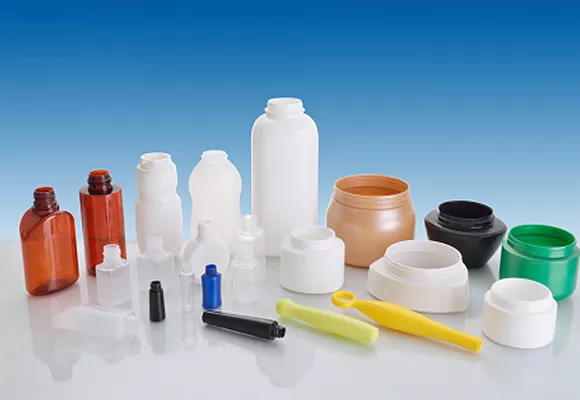
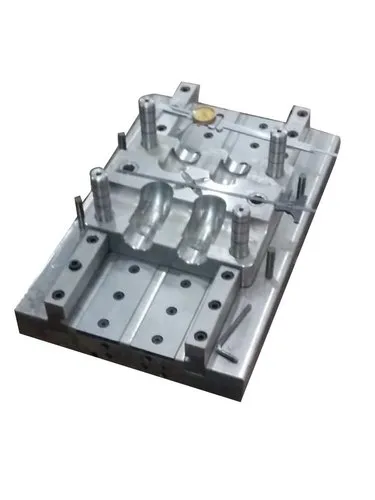
The cosmetic industry demands plastic materials that offer excellent aesthetics, chemical resistance, safety, and durability. Cosmetic moulds are designed to process a wide range of thermoplastics that meet regulatory standards while delivering high-quality surface finishes and precise detailing. Below are the most commonly used plastic materials in cosmetic mould manufacturing.
1. Polypropylene (PP)
Polypropylene is one of the most widely used plastics in cosmetic packaging due to its lightweight nature and chemical resistance.
Key Features:
Excellent resistance to oils, alcohols, and chemicals
Good fatigue resistance (ideal for flip-top caps)
Cost-effective and recyclable
Applications:
Bottle caps and closures
Jars and containers
Compact cases
2. Polyethylene (PE)
Polyethylene is available in multiple grades, each suited for different cosmetic packaging needs.
a) High-Density Polyethylene (HDPE)
High strength and rigidity
Good moisture resistance
Used for shampoo bottles, lotion containers
b) Low-Density Polyethylene (LDPE)
Flexible and soft texture
Squeezable and impact resistant
Used for tubes and soft bottles
3. Polyethylene Terephthalate (PET)
PET is favored for its clarity and premium appearance.
Key Features:
High transparency and gloss
Good barrier properties
Recyclable and lightweight
Applications:
Perfume bottles
Cosmetic liquid containers
Transparent jars
4. Acrylonitrile Butadiene Styrene (ABS)
ABS is used where strength, toughness, and decorative finishing are required.
Key Features:
High impact resistance
Excellent surface finish
Suitable for painting, plating, and printing
Applications:
Lipstick cases
Compact housings
Decorative cosmetic components
5. Polystyrene (PS)
Polystyrene offers rigidity and excellent optical clarity.
Key Features:
High gloss appearance
Easy to mould with fine details
Cost-effective
Applications:
Cosmetic jars
Compact cases
Display packaging
6. Styrene Acrylonitrile (SAN)
SAN improves upon PS by offering better chemical resistance and strength.
Key Features:
Crystal-clear transparency
Better resistance to oils and perfumes
Good dimensional stability
Applications:
Skincare bottles
Transparent cosmetic containers
7. Polycarbonate (PC)
Polycarbonate is used for premium and luxury cosmetic packaging.
Key Features:
Exceptional impact strength
High transparency and heat resistance
Long service life
Applications:
High-end perfume bottles
Luxury cosmetic cases
8. Polymethyl Methacrylate (PMMA / Acrylic)
PMMA is chosen for its glass-like appearance and superior clarity.
Key Features:
Excellent optical clarity
High surface gloss
UV resistance
Applications:
Premium jars
Display components
Decorative cosmetic packaging
9. Thermoplastic Elastomers (TPE)
TPE materials provide rubber-like flexibility while being processed as thermoplastics.
Key Features:
Soft-touch feel
Good grip and flexibility
Suitable for over-moulding
Applications:
Soft caps and seals
Applicators and grips
10. Bio-Based and Sustainable Plastics
With growing environmental concerns, sustainable plastics are increasingly used in cosmetic moulds.
Examples:
PLA (Polylactic Acid)
PCR (Post-Consumer Recycled Plastics)
Bio-PE and Bio-PP
Benefits:
Reduced environmental impact
Compliance with sustainability goals
Suitable for eco-friendly cosmetic brands
Conclusion
Selecting the right plastic material is critical in cosmetic mould design and manufacturing. Factors such as chemical compatibility, visual appeal, mouldability, cost, and sustainability influence material choice. By using the appropriate plastic materials, cosmetic mould manufacturers can ensure high-quality, attractive, and safe packaging solutions that meet market and regulatory requirements.