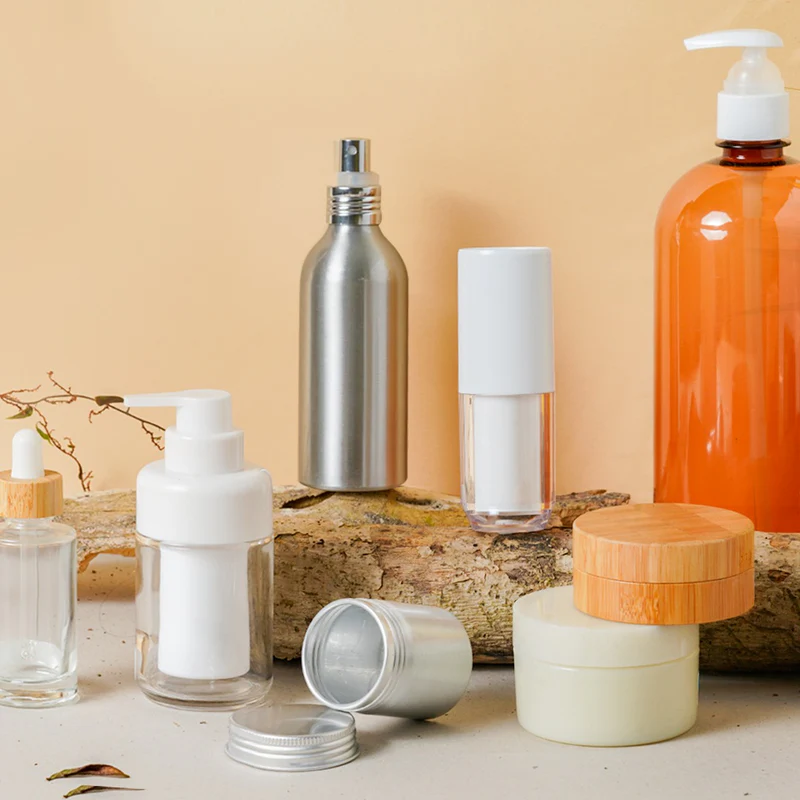
The cosmetic industry is increasingly adopting recycled plastics to reduce environmental impact while maintaining high standards of aesthetics, safety, and performance. The use of recycled plastics in cosmetic packaging moulds supports sustainability goals, regulatory compliance, and consumer demand for eco-friendly products.
1. Types of Recycled Plastics Used in Cosmetic Packaging
Common recycled materials used in cosmetic moulding include:
rPET (Recycled Polyethylene Terephthalate): Widely used for transparent bottles, jars, and caps due to its clarity and recyclability.
rHDPE (Recycled High-Density Polyethylene): Suitable for sturdy containers such as shampoo bottles and lotion dispensers.
rPP (Recycled Polypropylene): Commonly used for caps, closures, and compact cases where durability and chemical resistance are required.
PCR Plastics (Post-Consumer Recycled): Sourced from used consumer products, offering a strong sustainability advantage.
These materials are often blended with virgin plastics to balance performance and appearance.
2. Mould Design Considerations for Recycled Plastics
Recycled plastics exhibit greater variability than virgin materials, requiring careful mould design:
Optimized Gate Design: Ensures smooth flow and minimizes streaks or flow marks.
Enhanced Venting: Prevents trapped gases caused by material impurities.
Robust Runner Systems: Hot or cold runners must accommodate variations in melt flow index.
Surface Finish Selection: Matte or textured finishes help mask color inconsistencies commonly found in recycled resins.
3. Processing Challenges and Solutions
Using recycled plastics presents unique moulding challenges:
Material Consistency: Variations in viscosity and contamination may affect part quality.
Thermal Stability: Recycled materials can degrade faster at high temperatures.
Color Control: Achieving uniform cosmetic-grade appearance requires advanced masterbatch systems.
Solutions include strict material sorting, controlled processing parameters, mold flow analysis, and frequent mould maintenance.
4. Quality and Safety Requirements
Cosmetic packaging must meet strict safety and quality standards:
Regulatory Compliance: Recycled plastics must comply with REACH, FDA, and cosmetic packaging regulations.
Odor and Contamination Control: Especially critical for skincare and personal care products.
Dimensional Stability: Essential for closures, pumps, and airtight seals.
High-quality mould steel, precise tolerances, and validated production processes ensure consistent performance.
5. Sustainability Benefits
The integration of recycled plastics into cosmetic moulds offers significant environmental advantages:
Reduced carbon footprint and energy consumption
Lower dependence on fossil-based virgin polymers
Alignment with global sustainability initiatives and brand ESG goals
Improved brand image and consumer trust
6. Applications in Cosmetic Packaging
Recycled plastics are increasingly used for:
Bottles and jars
Caps and closures
Compacts and cases
Secondary packaging components
Advancements in material purification and moulding technology continue to expand their applicability.
7. Future Trends
The future of recycled plastics in cosmetic moulding includes:
Increased use of 100% PCR materials
Improved material traceability and certification
Advanced hot runner systems optimized for recycled resins
Greater collaboration between material suppliers and mould manufacturers
Conclusion
The use of recycled plastics in cosmetic packaging moulds represents a balance between sustainability and performance. With proper material selection, mould design optimization, and process control, manufacturers can produce high-quality, visually appealing cosmetic packaging while contributing to a circular economy.