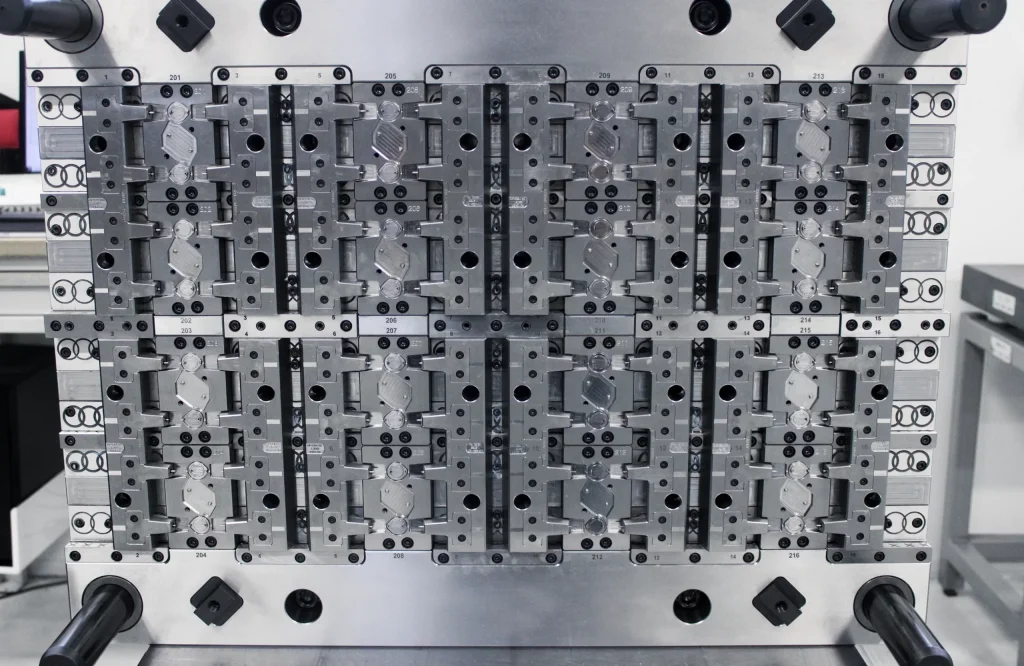
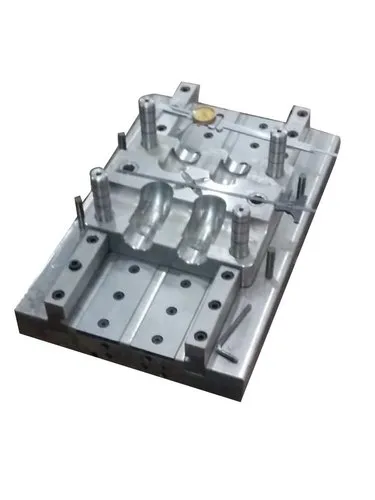
Validation and qualification of medical moulds are critical processes that ensure moulds consistently produce components that meet stringent quality, safety, and regulatory requirements. In medical device manufacturing, where product performance directly impacts patient safety, mould validation is not optional—it is a regulatory necessity.
Importance of Medical Mould Validation
Medical mould validation confirms that the mould design, construction, and manufacturing process are capable of producing parts that comply with defined specifications over their entire lifecycle. Regulatory bodies such as the FDA, ISO, and EU MDR require documented evidence that moulded medical components are manufactured using controlled and repeatable processes.
Key benefits include:
Consistent part quality and dimensional accuracy
Reduced risk of defects and contamination
Regulatory compliance and audit readiness
Improved process stability and reduced scrap
Qualification Stages for Medical Moulds
Medical mould qualification typically follows a structured approach known as IQ, OQ, and PQ.
Installation Qualification (IQ)
Installation Qualification verifies that the mould is correctly installed and documented according to design and engineering requirements.
Activities include:
Verification of mould materials, components, and drawings
Confirmation of correct installation on the injection moulding machine
Documentation of utilities, cooling circuits, and safety features
Review of mould maintenance and cleaning procedures
Operational Qualification (OQ)
Operational Qualification ensures the mould operates within predefined process parameters and consistently produces acceptable parts under controlled conditions.
Activities include:
Establishing and testing process windows (temperature, pressure, cycle time)
Evaluating mould performance under worst-case conditions
Verifying part dimensions, weight, and visual quality
Documenting alarms, interlocks, and machine-mould interaction
Performance Qualification (PQ)
Performance Qualification demonstrates that the mould can produce parts meeting specifications during routine production conditions.
Activities include:
Long-run production trials using actual production settings
Statistical analysis of critical dimensions and attributes
Verification of repeatability and consistency across batches
Final approval for commercial production
Documentation and Regulatory Compliance
Comprehensive documentation is a core requirement of medical mould validation. Typical records include:
Design Qualification (DQ) reports
IQ, OQ, and PQ protocols and reports
Process validation reports
Material certifications and traceability records
Change control and revalidation procedures
These documents support compliance with:
ISO 13485
FDA 21 CFR Part 820
EU MDR requirements
Revalidation and Change Management
Any changes to the mould, such as material updates, cavity modifications, or process adjustments, may require partial or full revalidation. A robust change management system ensures that product quality and compliance are maintained throughout the mould’s lifecycle.
Conclusion
Validation and qualification of medical moulds are essential for ensuring safe, reliable, and compliant medical devices. By following structured IQ, OQ, and PQ methodologies, manufacturers can achieve consistent production quality, meet global regulatory standards, and maintain confidence in their medical moulding processes.