January 2026

Cost-Effective Mould Design for Educational Products

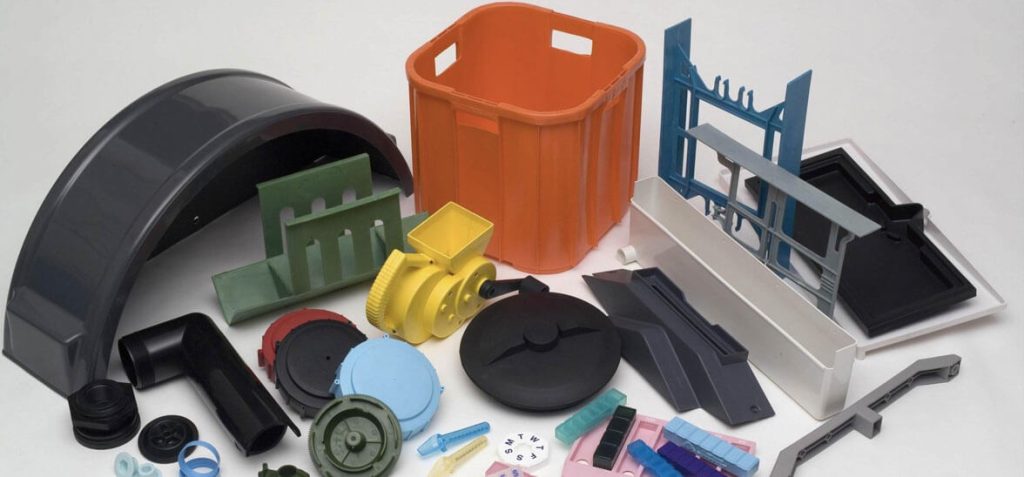
Educational products such as pens, rulers, geometry boxes, chalk holders, pencil sharpeners, classroom aids, and learning toys are produced in very high volumes and must remain affordable. Cost-effective mould design plays a crucial role in achieving competitive pricing while maintaining acceptable quality, durability, and safety standards. 1. Understanding Product Requirements Cost optimization begins with a […]

Cost-Effective Mould Design for Educational Products Read More »
Design Considerations for Medical Device Moulds

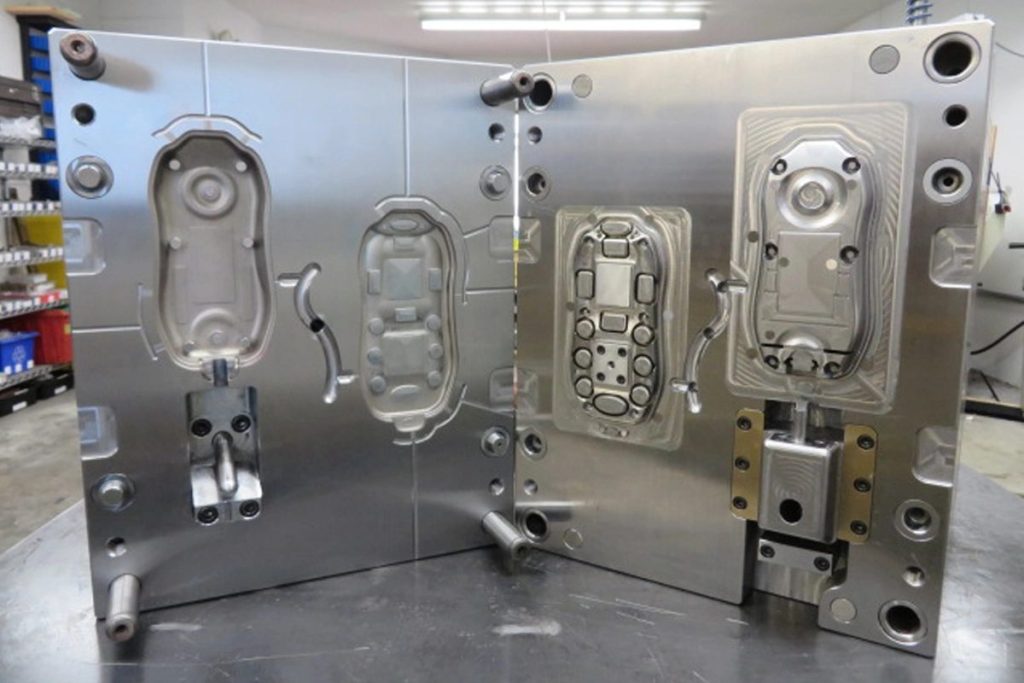
Medical device moulds require exceptional precision, reliability, and compliance with strict regulatory standards. The quality of the mould directly impacts patient safety, product performance, and regulatory approval. Below are the key design considerations involved in developing moulds for medical device applications. 1. Regulatory Compliance and Standards Medical moulds must comply with international healthcare regulations such

Design Considerations for Medical Device Moulds Read More »

Compact Powder Case Mould Design Challenges

Compact powder cases are precision cosmetic packaging components that combine aesthetics, functionality, and durability. Designing moulds for these products presents several technical and manufacturing challenges due to their intricate structures, tight tolerances, and high surface-finish requirements. 1. Complex Multi-Component Structure Compact powder cases typically consist of multiple parts such as the top cover, base, hinge

Compact Powder Case Mould Design Challenges Read More »

High-Cavity Moulds for Mass-Production Stationery Items

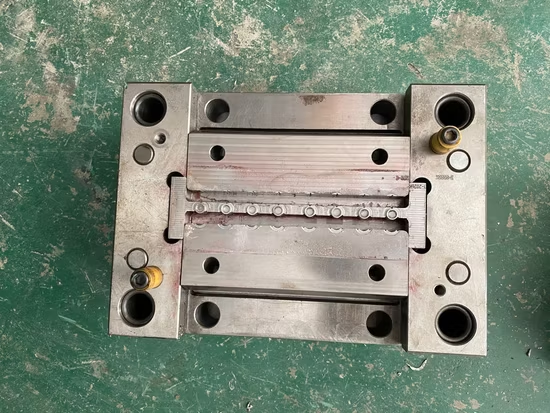
High-cavity moulds play a critical role in the large-scale manufacturing of stationery products where high output, consistent quality, and low per-unit cost are essential. These moulds are designed with multiple identical cavities—often ranging from 8 to 128 or more—to produce several parts in a single injection moulding cycle. Commonly used in the stationery industry, high-cavity

High-Cavity Moulds for Mass-Production Stationery Items Read More »

Biocompatible Materials in Medical Moulding

Biocompatible materials play a vital role in medical moulding, as they ensure that moulded medical components can safely interact with the human body without causing adverse reactions. These materials are specifically selected to meet stringent medical standards and are widely used in the manufacturing of disposable and reusable medical devices. What Is Biocompatibility? Biocompatibility refers

Biocompatible Materials in Medical Moulding Read More »

Mould Design for Lipstick and Lip Balm Containers

Lipstick and lip balm containers are precision cosmetic products that require high-quality mould design to achieve flawless appearance, smooth functionality, and brand appeal. These containers often consist of multiple small components such as caps, bases, inner cups, and rotating mechanisms, making mould design both complex and critical. 1. Product Structure and Component Breakdown Lipstick and

Mould Design for Lipstick and Lip Balm Containers Read More »

Design Considerations for Stationery Product Moulds

Stationery products such as pens, rulers, sharpeners, erasers, files, clips, and school accessories are mass-produced items that require high-quality, cost-effective, and durable mould designs. Proper mould design ensures consistent product quality, long mould life, and efficient production cycles. The following are the key design considerations for stationery product moulds. 1. Product Functionality and Ergonomics Stationery

Design Considerations for Stationery Product Moulds Read More »

Medical-Grade Plastics Used in Healthcare Moulds

Medical-grade plastics play a critical role in the manufacturing of healthcare moulds due to their safety, durability, chemical resistance, and compliance with stringent regulatory standards. These materials are specifically engineered to meet medical industry requirements such as biocompatibility, sterilization compatibility, and precision mouldability. Key Requirements of Medical-Grade Plastics Medical plastics used in healthcare moulds must

Medical-Grade Plastics Used in Healthcare Moulds Read More »

High-Precision Moulds for Cosmetic Packaging

High-precision moulds play a critical role in the cosmetic packaging industry, where visual appeal, dimensional accuracy, surface finish, and consistency directly influence brand perception and product performance. Cosmetic containers such as lipstick cases, compact boxes, cream jars, bottles, caps, and pumps demand exceptionally tight tolerances and flawless aesthetics, making precision mould manufacturing essential. Importance of

High-Precision Moulds for Cosmetic Packaging Read More »

Plastic Materials Used in Stationery and Education Moulds

Plastic materials play a crucial role in the manufacturing of stationery and educational products due to their versatility, durability, cost-effectiveness, and ease of moulding. The selection of the right plastic material ensures product safety, long service life, and consistent quality, especially for items frequently used by children and students. 1. Polypropylene (PP) Polypropylene is one

Plastic Materials Used in Stationery and Education Moulds Read More »

Scroll to Top