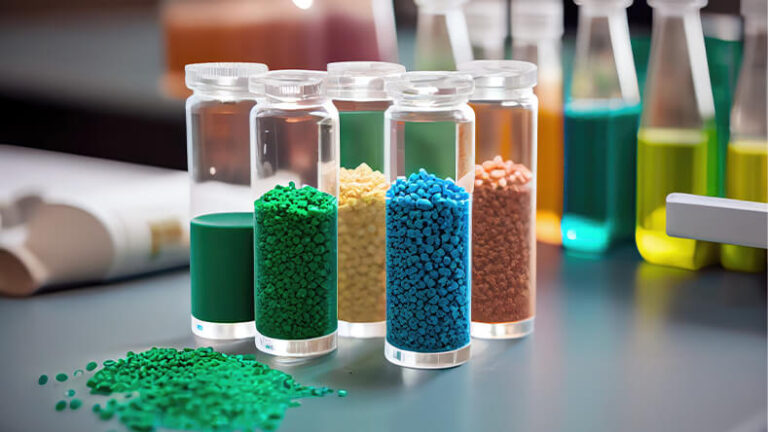
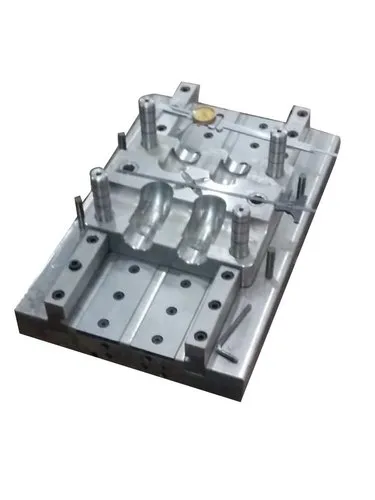
Biocompatible materials play a vital role in medical moulding, as they ensure that moulded medical components can safely interact with the human body without causing adverse reactions. These materials are specifically selected to meet stringent medical standards and are widely used in the manufacturing of disposable and reusable medical devices.
What Is Biocompatibility?
Biocompatibility refers to the ability of a material to perform its intended function in contact with biological tissues without triggering toxicity, inflammation, allergic reactions, or immune responses. In medical moulding, biocompatibility is essential for components that come into direct or indirect contact with patients.
Importance of Biocompatible Materials in Medical Moulding
Ensures patient safety and comfort
Complies with regulatory standards such as ISO 10993 and USP Class VI
Prevents contamination and adverse biological reactions
Supports sterilization processes without material degradation
Enhances reliability and performance of medical devices
Common Biocompatible Materials Used in Medical Moulding
1. Medical-Grade Polypropylene (PP)
Polypropylene is widely used due to its chemical resistance, durability, and compatibility with steam and gas sterilization.
Applications: Syringes, specimen containers, inhaler components
Advantages: Lightweight, cost-effective, good fatigue resistance
2. Medical-Grade Polyethylene (PE)
Available in HDPE and LDPE grades, polyethylene offers excellent flexibility and toughness.
Applications: Catheter components, tubing connectors, disposable containers
Advantages: Low toxicity, good impact resistance
3. Polycarbonate (PC)
Polycarbonate provides high transparency and strength, making it ideal for diagnostic devices.
Applications: IV connectors, blood oxygenators, filter housings
Advantages: Optical clarity, dimensional stability
4. Polyvinyl Chloride (PVC – Medical Grade)
Medical-grade PVC is often plasticized for flexibility and softness.
Applications: Blood bags, IV tubing, masks
Advantages: Excellent flexibility, clarity, cost efficiency
5. Thermoplastic Elastomers (TPE & TPU)
These materials combine rubber-like elasticity with thermoplastic processing advantages.
Applications: Seals, grips, soft-touch medical components
Advantages: Latex-free, good tactile feel, biocompatible
6. PEEK (Polyether Ether Ketone)
PEEK is a high-performance polymer suitable for long-term implantable applications.
Applications: Orthopedic implants, surgical instruments
Advantages: High strength, chemical resistance, radiolucency
7. Silicone Rubber (LSR & HCR)
Silicone is highly biocompatible and stable over a wide temperature range.
Applications: Implants, seals, respiratory devices
Advantages: Excellent flexibility, long-term biostability
Sterilization Compatibility
Biocompatible materials used in medical moulding must withstand common sterilization methods such as:
Steam autoclaving
Ethylene oxide (EtO)
Gamma radiation
Electron beam sterilization
Material selection must consider potential changes in mechanical properties, color, or clarity after sterilization.
Regulatory and Quality Standards
Medical moulding materials must comply with:
ISO 10993 (Biological evaluation of medical devices)
USP Class VI certification
FDA and CE requirements
ISO 13485 quality management systems
These standards ensure safety, traceability, and consistency throughout the product lifecycle.
Challenges in Using Biocompatible Materials
Higher material and processing costs
Strict documentation and validation requirements
Limited recyclability for some medical-grade polymers
Tight control needed during moulding to avoid contamination
Future Trends
Increased use of bio-based and sustainable biocompatible polymers
Growth in implantable and minimally invasive devices
Advanced material formulations for enhanced performance
Integration of antimicrobial and drug-eluting materials
Conclusion
Biocompatible materials are the foundation of safe and effective medical moulding. By selecting the right materials and adhering to stringent regulatory standards, manufacturers can produce high-quality medical components that meet both performance and patient safety requirements. As healthcare technology advances, the demand for innovative biocompatible materials in medical moulding will continue to grow.