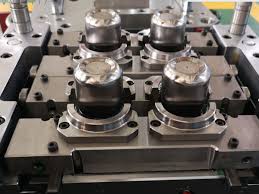
The growing demand for convenience, portability, and on-the-go beauty solutions has significantly increased the popularity of miniature and travel-size cosmetic products. Items such as compact shampoo bottles, mini perfume containers, travel-sized skincare products, lip balm tubes, and sample packaging require highly specialized mould designs to ensure functionality, aesthetics, and manufacturing efficiency. Advanced mould technologies play a crucial role in producing these small yet sophisticated cosmetic packaging solutions.
Importance of Miniature and Travel-Size Cosmetic Packaging
Travel-size cosmetics offer several benefits:
- Easy portability for consumers
- Compliance with airline travel regulations
- Product sampling and promotional campaigns
- Reduced material consumption
- Increased product accessibility and convenience
As brands continue to expand their product lines, demand for precision-engineered miniature packaging moulds continues to grow.
Design Challenges in Miniature Cosmetic Moulds
Producing small cosmetic containers presents unique manufacturing challenges:
1. Precision and Tight Tolerances
Miniature packaging components often include:
- Small caps and closures
- Fine threads
- Snap-fit mechanisms
- Dispensing nozzles
Even minor dimensional variations can affect sealing performance and product usability. High-precision mould machining is essential to achieve consistent results.
2. Thin-Wall Moulding Requirements
Travel-size containers are designed to be lightweight and material-efficient. Thin-wall moulding requires:
- Precise cavity design
- Optimized material flow
- High-speed injection capability
- Uniform cooling systems
Proper mould design prevents warpage, sink marks, and incomplete filling.
3. Complex Part Geometry
Mini cosmetic packaging frequently incorporates:
- Decorative contours
- Ergonomic shapes
- Brand-specific designs
- Transparent windows
- Multi-component assemblies
Mould designers must create intricate cavities while maintaining manufacturability and productivity.
Advanced Features in Travel-Size Cosmetic Mould Design
Multi-Cavity Mould Systems
To meet large-scale production demands, manufacturers often utilize multi-cavity moulds that can produce numerous components in a single cycle.
Benefits include:
- Higher productivity
- Reduced manufacturing costs
- Consistent product quality
- Faster market supply
Hot Runner Technology
Hot runner systems are widely used in miniature cosmetic moulds to:
- Reduce material waste
- Improve filling consistency
- Minimize cycle times
- Enhance surface finish quality
This technology is particularly beneficial when processing expensive cosmetic-grade polymers.
Unscrewing and Collapsible Core Mechanisms
Many miniature bottles and jars feature threaded necks that require specialized mould actions.
Advanced mould systems incorporate:
- Automatic unscrewing mechanisms
- Collapsible cores
- Precision thread-forming inserts
These solutions ensure accurate thread production and smooth product ejection.
Material Considerations
Miniature cosmetic packaging is commonly manufactured using:
- Polypropylene (PP)
- Polyethylene (PE)
- PET
- PETG
- SAN
- Acrylic materials
Mould designs must accommodate the specific shrinkage, flow behavior, and surface finish requirements of each material.
Surface Finish and Aesthetic Requirements
Cosmetic packaging serves both functional and marketing purposes. High-quality mould surfaces help achieve:
- Glossy finishes
- Matte textures
- Frosted effects
- Embossed logos
- Decorative patterns
Precision polishing and texture engraving enhance the visual appeal of travel-size cosmetic products.
Sustainability in Miniature Packaging Moulds
As environmental concerns increase, mould manufacturers are developing solutions that support:
- Lightweight packaging designs
- Recyclable materials
- Reduced material consumption
- Energy-efficient production
- Refillable travel containers
Modern mould technologies help brands meet sustainability goals without compromising quality or aesthetics.
Automation and Smart Manufacturing
Automated moulding systems are increasingly used for miniature cosmetic production, offering:
- Real-time process monitoring
- Automated quality inspection
- Robotic part handling
- Reduced production defects
- Improved production efficiency
Smart mould technologies further enhance consistency and reduce operational costs.
Future Trends
The future of miniature and travel-size cosmetic mould design will be driven by personalization, sustainability, and advanced manufacturing technologies. Innovations such as micro-moulding, digital simulation, AI-assisted process optimization, and smart mould monitoring will enable manufacturers to produce increasingly sophisticated cosmetic packaging with exceptional precision and efficiency.
Conclusion
Miniature and travel-size cosmetic mould design requires a combination of precision engineering, advanced tooling technologies, and innovative manufacturing strategies. By addressing challenges related to small-scale production, aesthetics, and functionality, modern mould makers are helping cosmetic brands deliver convenient, attractive, and sustainable packaging solutions that meet the evolving needs of today’s consumers.