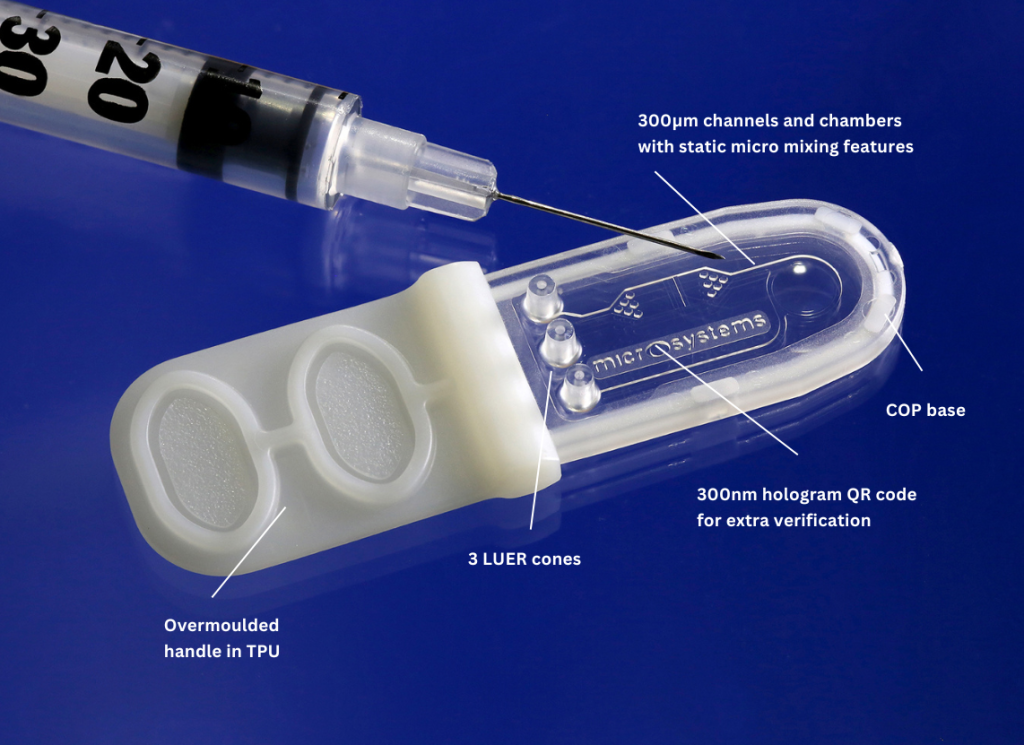
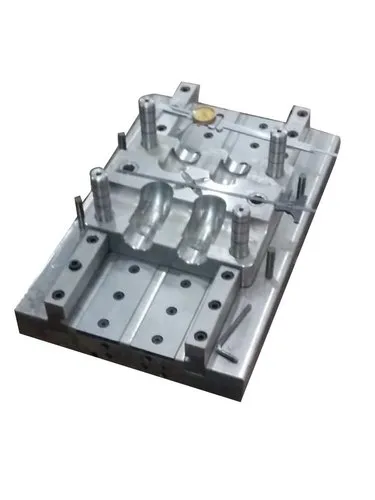
Microfluidic device moulding is a highly specialized manufacturing process used to produce miniature systems that manipulate and control extremely small volumes of fluids through networks of microscopic channels. These devices are widely utilized in healthcare, biotechnology, diagnostics, pharmaceuticals, environmental testing, and laboratory research. Precision mould design and advanced moulding technologies are essential for creating the intricate micro-scale structures required for reliable microfluidic performance.
Importance of Microfluidic Devices
Microfluidic devices enable the handling of tiny fluid samples with exceptional accuracy and efficiency. Their applications include:
- Point-of-care diagnostic testing
- Lab-on-a-chip systems
- Drug discovery and screening
- DNA and genetic analysis
- Medical research
- Environmental monitoring
- Chemical processing
The growing demand for rapid, portable, and cost-effective testing solutions has significantly increased the need for high-quality microfluidic device moulding.
Challenges in Microfluidic Device Moulding
1. Ultra-Precise Micro-Feature Replication
Microfluidic devices contain channels, chambers, valves, and reservoirs that may range from a few micrometers to several hundred micrometers in size.
Challenges include:
- Maintaining dimensional accuracy
- Replicating fine channel structures
- Preventing feature distortion
- Achieving consistent fluid flow characteristics
Even slight deviations can affect device functionality and test accuracy.
2. Surface Quality Requirements
The internal surfaces of microfluidic channels directly influence fluid movement and sample behavior.
Poor surface quality can lead to:
- Flow resistance
- Bubble formation
- Sample contamination
- Inaccurate analytical results
High-precision polishing and advanced mould finishing techniques are therefore critical.
3. Material Flow Control
Micro-scale cavities can be difficult to fill completely during injection moulding.
Manufacturers must carefully optimize:
- Injection pressure
- Melt temperature
- Gate design
- Venting systems
- Flow balancing
Proper process control ensures complete replication of microscopic features.
Advanced Mould Technologies for Microfluidics
Micro-Injection Moulding
Micro-injection moulding is one of the most widely used manufacturing methods for microfluidic devices.
Benefits include:
- High-volume production capability
- Excellent dimensional accuracy
- Consistent part replication
- Reduced manufacturing costs
This process is particularly suitable for disposable medical and diagnostic devices.
Precision Tooling and Micro-Machining
The mould inserts used in microfluidic production require extremely precise manufacturing techniques, including:
- Ultra-precision CNC machining
- Micro-milling
- Laser micromachining
- Electrical discharge machining (EDM)
- Lithography-based fabrication
These technologies enable the creation of complex micro-scale geometries with tight tolerances.
Multi-Cavity Mould Systems
As demand for disposable diagnostic devices increases, manufacturers often employ multi-cavity moulds to improve production efficiency.
Advantages include:
- Increased throughput
- Lower per-unit production costs
- Consistent product quality
- Improved scalability
Materials Used in Microfluidic Device Moulding
Several polymers are commonly used depending on application requirements:
- Polycarbonate (PC)
- Cyclic Olefin Copolymer (COC)
- Cyclic Olefin Polymer (COP)
- PMMA (Acrylic)
- Polystyrene (PS)
- Polypropylene (PP)
Material selection depends on factors such as:
- Optical clarity
- Chemical resistance
- Biocompatibility
- Sterilization compatibility
- Mechanical strength
Bonding and Assembly Considerations
Most microfluidic devices consist of multiple layers that must be joined after moulding.
Common bonding methods include:
- Thermal bonding
- Ultrasonic welding
- Laser welding
- Adhesive bonding
- Plasma-assisted bonding
The mould design must account for assembly requirements while preserving channel integrity.
Quality Control and Inspection
Given the precision required, rigorous quality assurance is essential.
Inspection technologies include:
- Optical microscopy
- 3D metrology systems
- Laser scanning
- Vision inspection systems
- Flow performance testing
These methods help ensure accurate channel dimensions and reliable device operation.
Automation and Smart Manufacturing
Modern microfluidic device production increasingly relies on automated manufacturing systems.
Key advancements include:
- Real-time process monitoring
- Automated defect detection
- Robotic part handling
- Data-driven process optimization
- Predictive maintenance systems
These technologies improve production efficiency and reduce manufacturing variability.
Sustainability and Future Developments
The microfluidics industry is exploring environmentally responsible manufacturing solutions through:
- Material reduction strategies
- Recyclable polymers
- Energy-efficient moulding systems
- Sustainable production practices
Future innovations may include biodegradable microfluidic devices and greener manufacturing technologies.
Future Trends
Emerging developments in microfluidic device moulding include:
- Nano-scale feature manufacturing
- Advanced lab-on-a-chip systems
- AI-assisted mould optimization
- 3D-printed mould inserts
- Smart diagnostic platforms
- Integrated biosensor technologies
These advancements will further expand the capabilities and applications of microfluidic devices across healthcare and scientific research.
Conclusion
Microfluidic device moulding combines precision engineering, advanced tooling, and sophisticated manufacturing processes to produce highly functional micro-scale systems. As demand for rapid diagnostics, personalized medicine, and portable analytical devices continues to grow, innovations in microfluidic mould design and manufacturing will play a crucial role in shaping the future of healthcare, biotechnology, and scientific discovery.