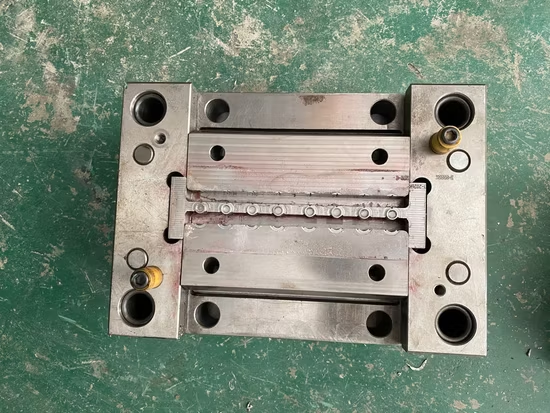
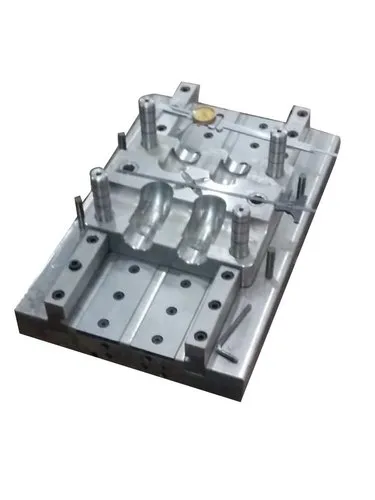
High-cavity moulds play a critical role in the large-scale manufacturing of stationery products where high output, consistent quality, and low per-unit cost are essential. These moulds are designed with multiple identical cavities—often ranging from 8 to 128 or more—to produce several parts in a single injection moulding cycle. Commonly used in the stationery industry, high-cavity moulds enable manufacturers to meet bulk demand efficiently.
Importance in Stationery Manufacturing
Stationery items such as pens, pen caps, rulers, sharpeners, clips, erasers, markers, and file accessories are typically produced in very high volumes. High-cavity moulds help:
Increase production rates without increasing machine count
Reduce manufacturing cost per component
Ensure dimensional uniformity across large batches
Support continuous mass-production environments
Design Considerations for High-Cavity Stationery Moulds
Designing high-cavity moulds requires precision engineering to maintain balance and consistency across all cavities.
Key considerations include:
Cavity Layout: Optimized symmetrical layouts ensure equal material flow and uniform filling.
Runner System: Hot runner systems are often preferred to reduce material waste and maintain consistent melt temperature.
Cooling Efficiency: Uniform and well-designed cooling channels are essential to control cycle time and prevent warpage.
Ventilation: Proper venting avoids air traps and burn marks, especially in thin-walled stationery parts.
Ejection System: Robust and balanced ejection mechanisms ensure smooth part release from all cavities.
Materials Used in High-Cavity Moulds
To withstand continuous operation and high cycle counts, moulds are manufactured using durable tool steels such as:
P20 steel for medium-volume production
H13 or DIN 1.2344 for high-wear applications
Stainless steel grades for corrosion resistance
For stationery parts, commonly moulded plastics include polypropylene (PP), polystyrene (PS), ABS, and polyethylene (PE), selected based on strength, flexibility, and surface finish requirements.
Advantages of High-Cavity Moulds
High Productivity: Multiple parts per cycle significantly boost output
Cost Efficiency: Lower labour and machine costs per unit
Consistent Quality: Uniform cavity design ensures repeatable accuracy
Scalability: Ideal for long-term, high-volume stationery contracts
Challenges and Quality Control
Despite their benefits, high-cavity moulds require:
Precise mould flow analysis during design
Tight machining tolerances
Regular maintenance to prevent uneven wear
Advanced process control to maintain balanced filling
Quality checks such as dimensional inspection, visual checks, and automated rejection systems are commonly integrated into production lines.
Applications in the Stationery Industry
High-cavity moulds are widely used for manufacturing:
Ball pen barrels and caps
Pencil and pen clips
Rulers and scales
Eraser holders and sharpeners
Stapler components and file accessories
Conclusion
High-cavity moulds are indispensable for mass-production of stationery items, enabling manufacturers to achieve high efficiency, consistent quality, and competitive pricing. With precise design, high-grade materials, and advanced moulding technology, these moulds support the ever-growing demand for affordable and reliable stationery products in global markets.