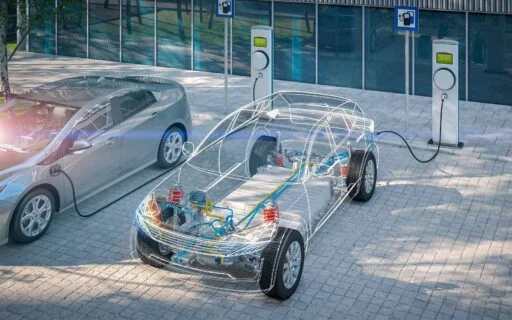
How Hybrid and Electric Cars Are Changing Mold Requirements

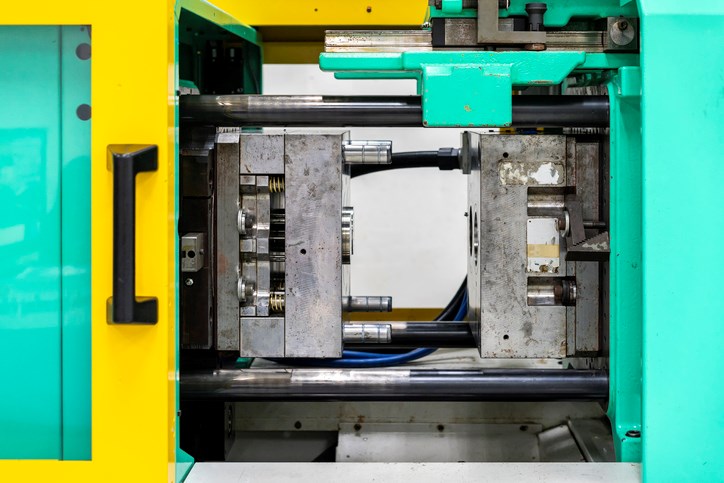
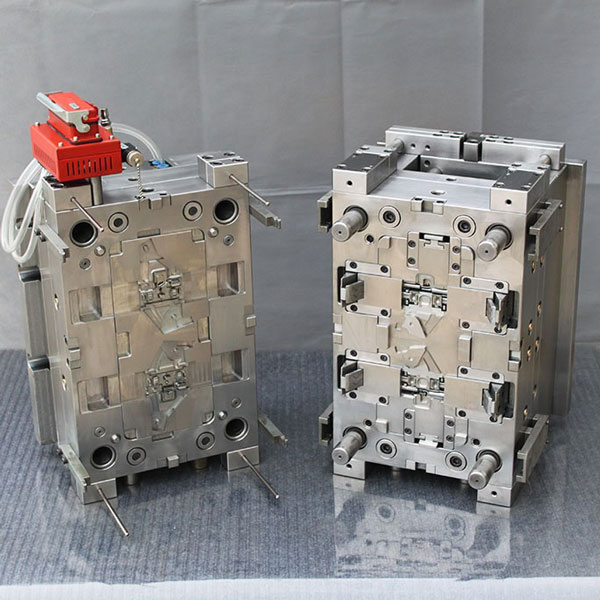
As the automotive industry shifts toward sustainability, hybrid and electric vehicles (HEVs and EVs) are rapidly reshaping not only how cars are powered but also how they’re manufactured. One area undergoing significant transformation is the design and use of molds—particularly in plastics, composites, and even die-cast metals. Molding, a key process in automotive manufacturing, is […]

How Hybrid and Electric Cars Are Changing Mold Requirements Read More »
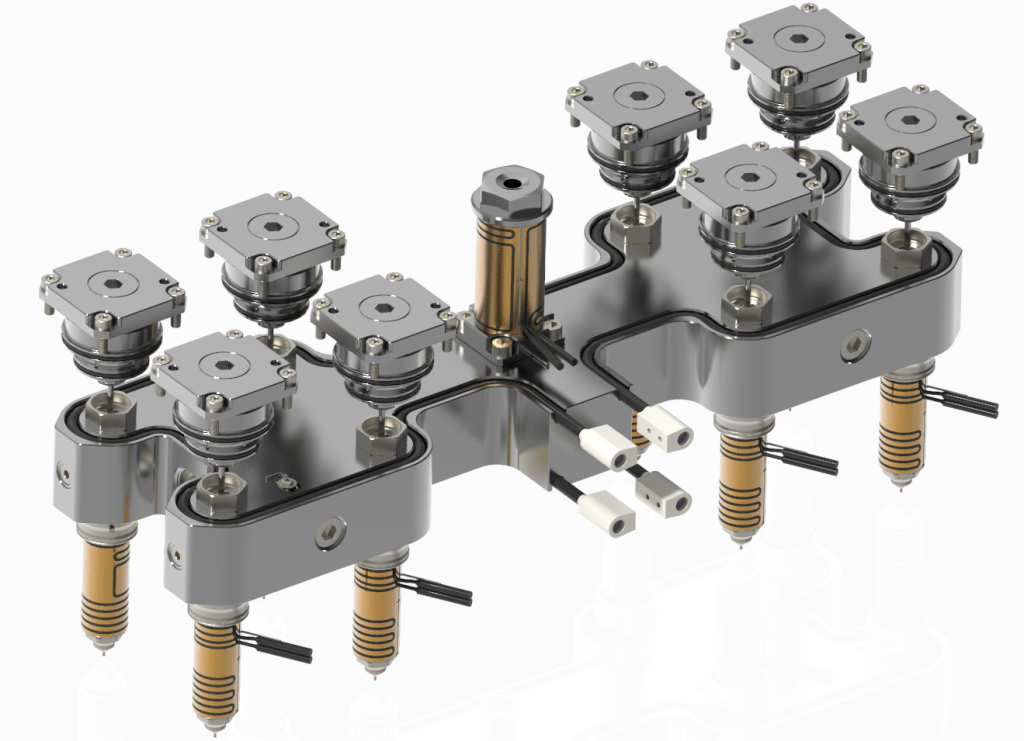
Hot Runner vs. Cold Runner Systems in PVC Molding

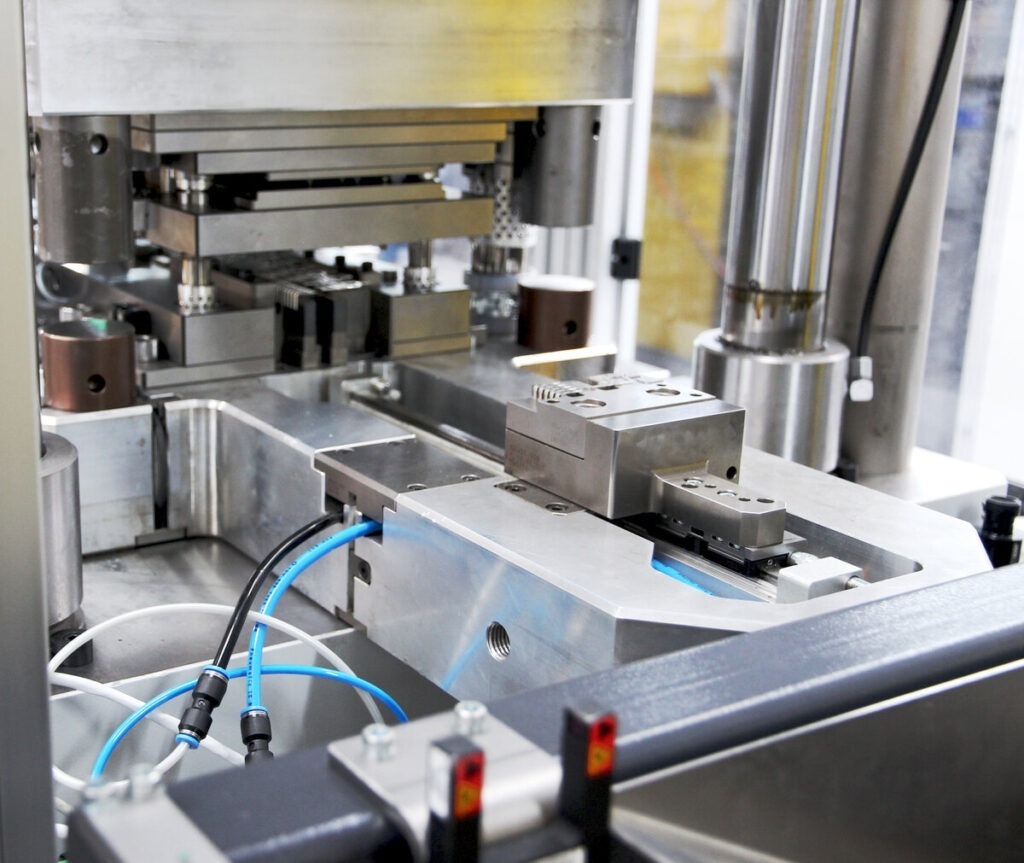
Injection molding of PVC (Polyvinyl Chloride) presents unique challenges due to the material’s thermal sensitivity. Choosing between a hot runner and a cold runner system can significantly impact the molding process, quality, and cost. Below is a comparison to help understand the differences and decide which system may be best suited for a given application.

Hot Runner vs. Cold Runner Systems in PVC Molding Read More »

Gas-Assisted Injection Molding: Benefits and Uses

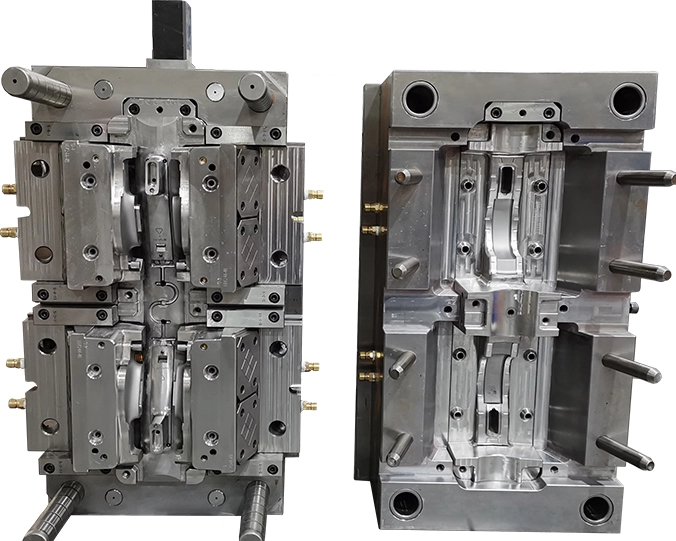
Gas-assisted injection molding (GAIM) is an advanced plastic molding process that improves the manufacturing of large, complex, and hollow plastic parts. In this technique, an inert gas (usually nitrogen) is injected into the molten plastic within the mold. The gas pushes the molten plastic against the mold walls, creating a hollow channel inside the part.

Gas-Assisted Injection Molding: Benefits and Uses Read More »

Automation and Robotics in Automotive Injection Molding

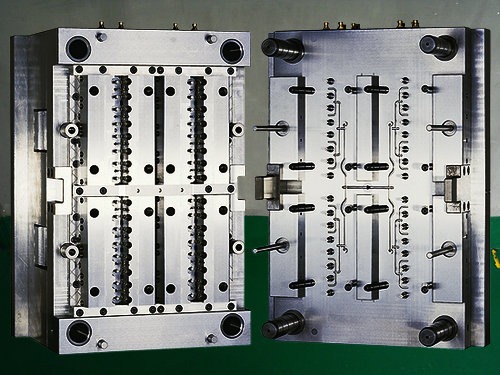
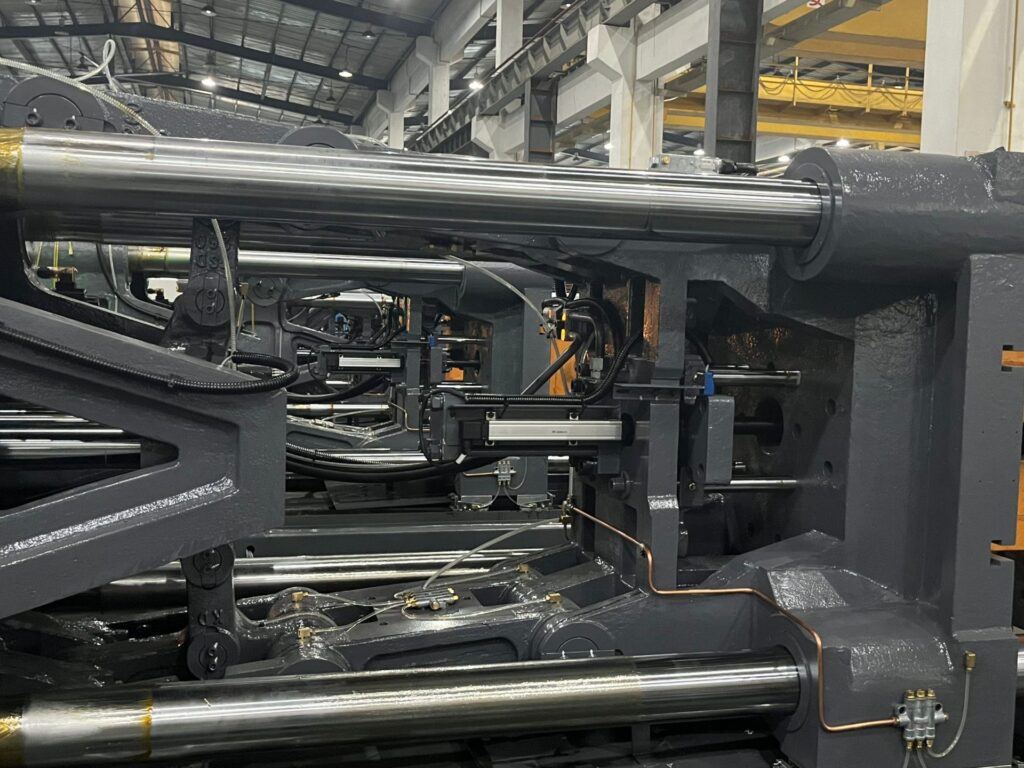
Automation and robotics have revolutionized the automotive industry, particularly in the field of injection molding. Automotive injection molding, a process used to manufacture plastic components such as bumpers, dashboards, and interior trims, demands high precision, speed, and consistency. The integration of automation and robotics in this area has significantly enhanced productivity, reduced operational costs, and

Automation and Robotics in Automotive Injection Molding Read More »

Water and Gas-Assisted Molding for PVC Products

Water and gas-assisted molding technologies are innovative manufacturing methods primarily used to produce hollow or thick-walled plastic parts with improved efficiency and quality. When applied to PVC (Polyvinyl Chloride), these processes offer several benefits in terms of product performance, cost savings, and design flexibility. However, working with PVC in these methods poses unique challenges due

Water and Gas-Assisted Molding for PVC Products Read More »

Using Additives in Injection Molding for Enhanced Properties

Injection molding is a widely used manufacturing process for producing plastic parts with high precision and efficiency. However, the base polymer alone may not always meet the specific mechanical, thermal, or aesthetic requirements of an application. To tailor material properties to meet diverse performance criteria, additives are commonly incorporated into the polymer resin prior to

Using Additives in Injection Molding for Enhanced Properties Read More »

Automobile Molds for High-Heat Applications: Exhaust and Engine Parts

Automotive components exposed to high temperatures—such as those in exhaust systems and engine compartments—demand materials and manufacturing processes that can withstand extreme thermal and mechanical stress. Molding technologies for these parts play a critical role in ensuring durability, performance, and safety in high-heat environments. Material Requirements for High-Heat Molding High-temperature automotive applications require molds made

Automobile Molds for High-Heat Applications: Exhaust and Engine Parts Read More »

Two-Shot Molding with PVC and Other Materials

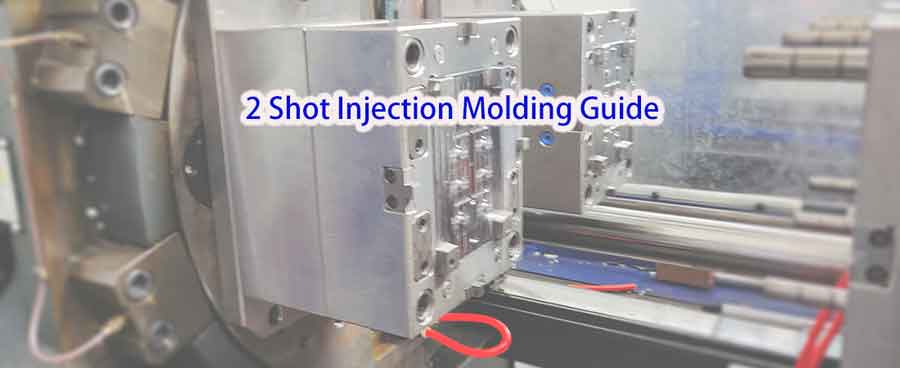
Two-shot molding, also known as dual-shot or multi-component injection molding, is an advanced manufacturing process where two different materials are molded together in a single machine cycle. This technique allows for the integration of multiple features or functions without the need for secondary operations like assembly or adhesive bonding. When Polyvinyl Chloride (PVC) is involved,

Two-Shot Molding with PVC and Other Materials Read More »

Challenges of Injection Molding in Large-Scale Manufacturing

Injection molding is a highly efficient and widely used method for producing complex plastic parts in large volumes. However, when scaled up for mass production, manufacturers often face several unique challenges. These issues can impact product quality, cost-efficiency, and production timelines. 1. High Initial Tooling Costs One of the most significant barriers in large-scale injection

Challenges of Injection Molding in Large-Scale Manufacturing Read More »

Biodegradable Plastics for Certain Automotive Parts

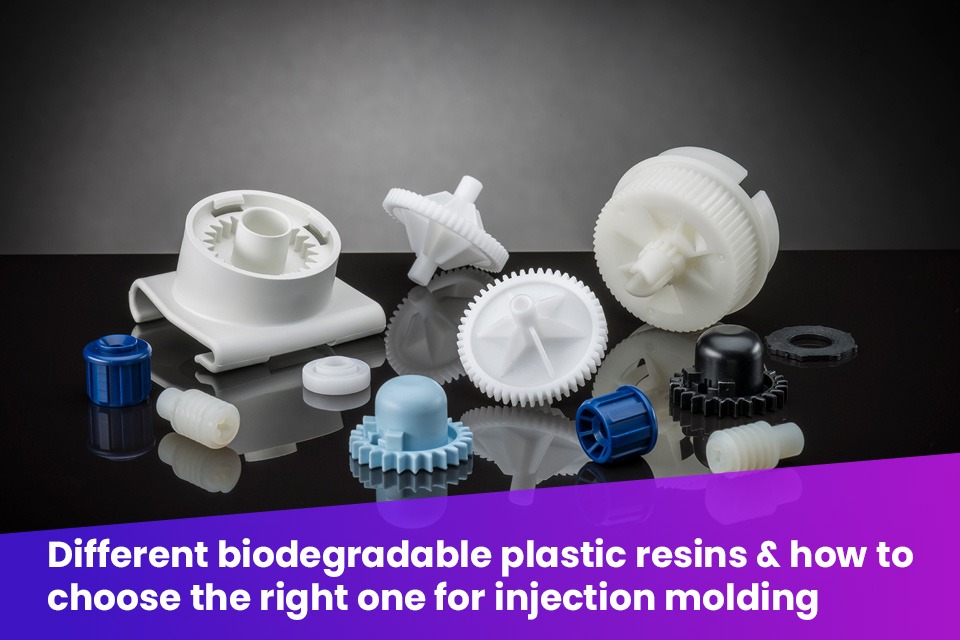
As the automotive industry shifts towards sustainability, manufacturers are exploring eco-friendly materials to reduce environmental impact. One promising avenue is the use of biodegradable plastics in automotive parts. Unlike conventional plastics derived from petroleum, biodegradable plastics are typically made from renewable resources and can break down naturally under specific environmental conditions. What are Biodegradable Plastics?

Biodegradable Plastics for Certain Automotive Parts Read More »

Scroll to Top