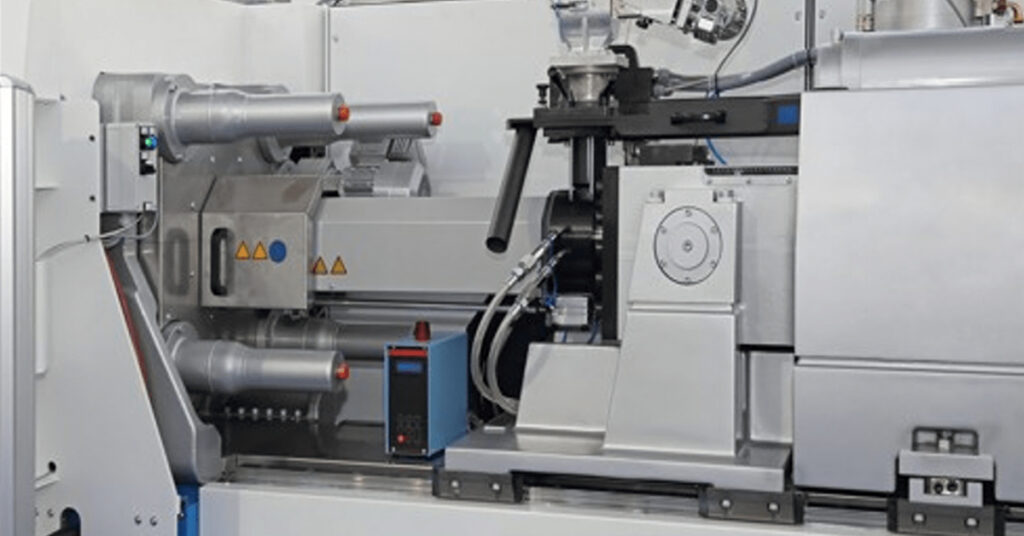
Digital Twin for Injection Molding Optimization

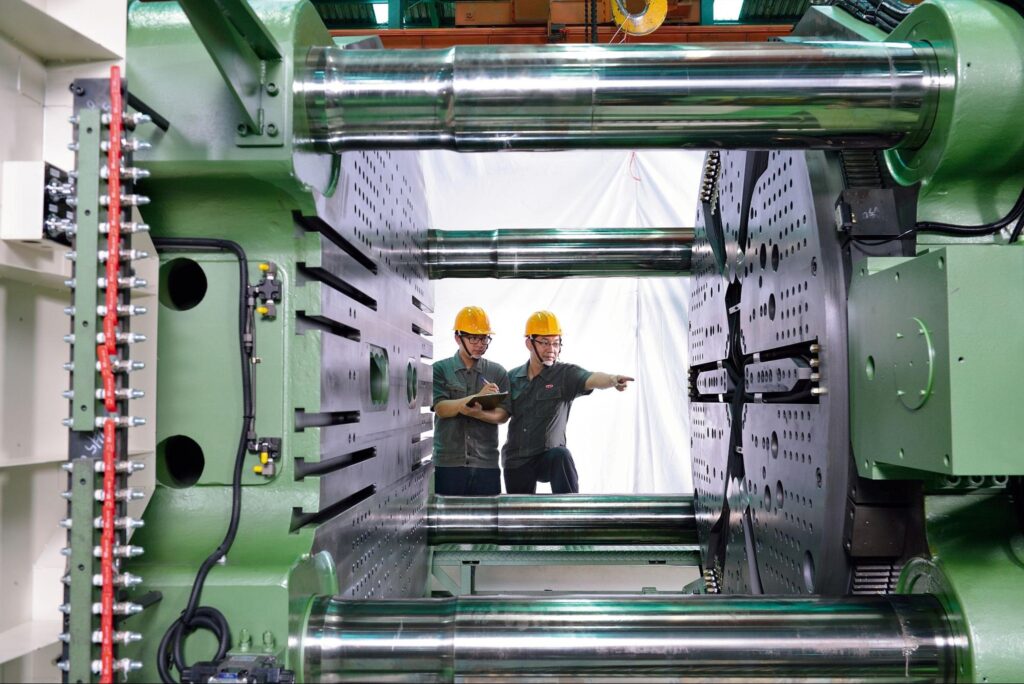
Injection molding is a critical manufacturing process used to produce high-precision plastic parts. However, it involves numerous variables such as temperature, pressure, material flow, and cooling time, which need to be precisely controlled for quality and efficiency. A Digital Twin offers a powerful solution for optimizing this complex process. What is a Digital Twin? A […]

Digital Twin for Injection Molding Optimization Read More »

Hybrid Molding Techniques for Automotive Parts

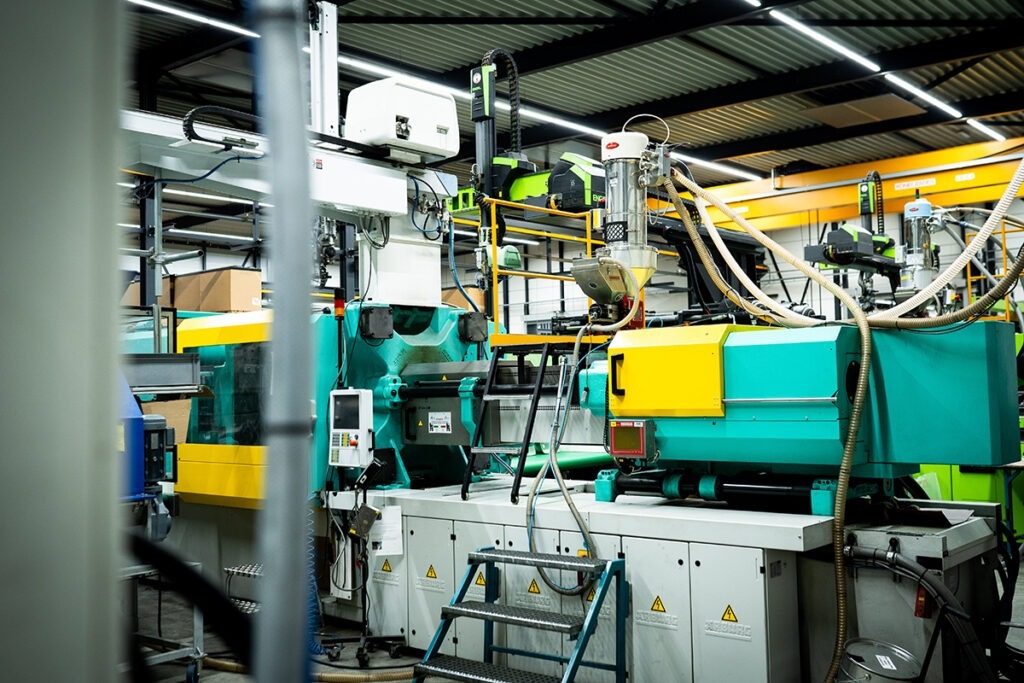
Hybrid molding techniques are advanced manufacturing methods that combine different molding processes or materials to produce automotive components with enhanced performance, reduced weight, and improved cost efficiency. These techniques are increasingly adopted by the automotive industry to meet stringent regulatory demands for fuel efficiency, emissions, and safety while maintaining high aesthetic and functional standards. 1.

Hybrid Molding Techniques for Automotive Parts Read More »

Custom PVC Blends for Specialized Molding Needs

Polyvinyl Chloride (PVC) is one of the most versatile thermoplastics used across numerous industries, from automotive to healthcare. While standard PVC formulations serve many applications, certain environments and product requirements demand enhanced performance characteristics that only custom blends can offer. Custom PVC blends are tailored formulations designed to meet specific processing, functional, and regulatory needs

Custom PVC Blends for Specialized Molding Needs Read More »

AI and Machine Learning in Injection Molding

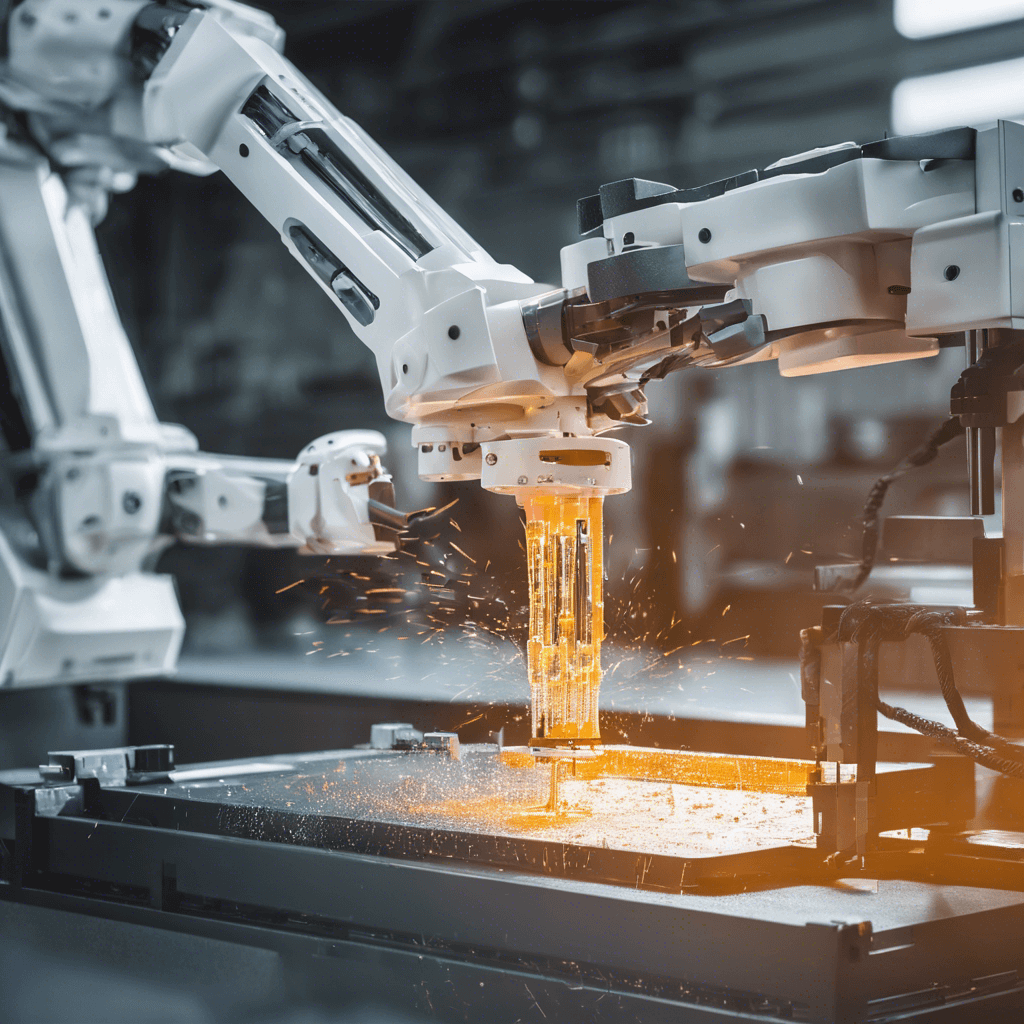
Injection molding is a widely used manufacturing process for producing plastic parts by injecting molten material into a mold. As manufacturing technologies advance, integrating Artificial Intelligence (AI) and Machine Learning (ML) into injection molding is revolutionizing how parts are designed, produced, and optimized. 1. Role of AI and ML in Injection Molding AI and ML

AI and Machine Learning in Injection Molding Read More »

Next-Generation Automotive Mold Materials

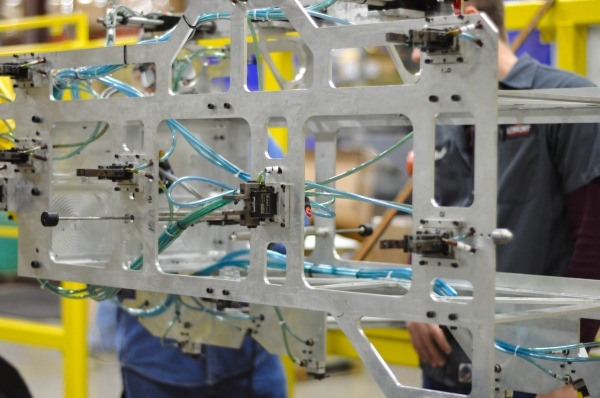
The automotive industry is rapidly evolving, driven by the demand for lightweight, fuel-efficient, and high-performance vehicles. As part of this transformation, the materials used in manufacturing molds—critical components in forming and shaping automotive parts—are also undergoing significant innovation. Next-generation automotive mold materials are designed to enhance performance, reduce costs, and meet stringent sustainability and regulatory

Next-Generation Automotive Mold Materials Read More »

Impact-Resistant PVC Molding for Heavy-Duty Applications

In demanding industrial and commercial environments, material durability is paramount. Impact-resistant PVC (polyvinyl chloride) molding has emerged as a preferred solution for heavy-duty applications that require superior mechanical strength, chemical resistance, and long-term durability. What Is Impact-Resistant PVC Molding? Impact-resistant PVC molding refers to specially formulated PVC profiles designed to withstand significant physical stress and

Impact-Resistant PVC Molding for Heavy-Duty Applications Read More »

Injection Molding Surface Finishing Techniques

Injection molding surface finishing techniques refer to processes applied to mold surfaces or molded parts to achieve desired textures, appearances, or functional properties. These finishes can range from smooth, mirror-like surfaces to intricate textures that enhance grip, aesthetics, or functionality. 1. Purpose of Surface Finishing Aesthetic Appeal: Enhances the look and feel of the final

Injection Molding Surface Finishing Techniques Read More »

Material & Process-Specific Keywords

Material & Process-Specific Keywords refer to terms that are directly associated with particular materials (like metals, polymers, ceramics) and manufacturing or processing techniques (such as welding, casting, machining, or additive manufacturing). These keywords are critical in industries like manufacturing, engineering, product development, and supply chain management for documentation, research, and digital visibility. 1. Importance of

Material & Process-Specific Keywords Read More »

Fire-Retardant PVC in Molding

Polyvinyl Chloride (PVC) is a widely used thermoplastic polymer known for its durability, chemical resistance, and versatility. In applications where fire safety is a priority—such as in electrical enclosures, construction materials, and automotive parts—standard PVC is often modified to be fire-retardant. Fire-retardant PVC (FR-PVC) offers enhanced flame resistance while maintaining the advantageous properties of conventional

Fire-Retardant PVC in Molding Read More »

Impact-Resistant Plastics in Injection Molding

Impact-resistant plastics are materials engineered to absorb and dissipate energy upon impact without cracking or breaking. In injection molding, these plastics are essential for manufacturing durable, high-performance parts used in applications that demand mechanical strength and resistance to physical stress. Importance in Injection Molding Injection molding is widely used for producing complex plastic parts at

Impact-Resistant Plastics in Injection Molding Read More »

Scroll to Top