Other

Rapid Prototyping in Plastic Furniture Moulding

Rapid prototyping has become an essential tool in modern plastic furniture manufacturing. It enables designers and engineers to transform digital concepts into physical models quickly, helping to visualize, test, and refine designs before investing in expensive production moulds. By integrating rapid prototyping techniques, manufacturers can significantly reduce development time, improve product quality, and enhance design […]

Rapid Prototyping in Plastic Furniture Moulding Read More »
Transfer Moulds with Electronic Control

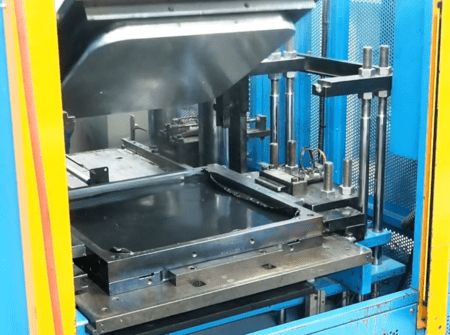
Introduction:Transfer moulding is a widely used process for producing high-precision and complex thermosetting plastic components. In this process, the plastic material is preheated and then forced into a closed mould cavity through sprues and runners using a transfer plunger. With advancements in technology, electronic control systems have been integrated into transfer moulds to enhance precision,

Transfer Moulds with Electronic Control Read More »

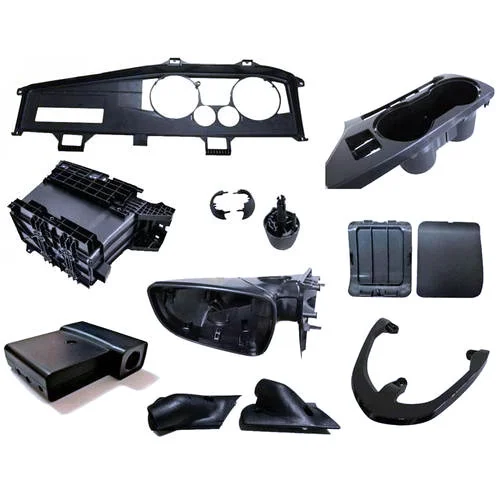
High-Performance Plastics in Automotive Components

High-Performance Plastics in Automotive Components Introduction The automotive industry is continuously evolving to meet demands for lighter, stronger, and more fuel-efficient vehicles. High-performance plastics (HPPs) have become a crucial part of this evolution, offering superior properties compared to conventional materials like metals and standard polymers. These plastics enable engineers to design components that are lighter,

High-Performance Plastics in Automotive Components Read More »

Common Design Defects and How to Avoid Them

Design defects are flaws that occur during the conceptual or planning phase of a product, structure, or system. Unlike manufacturing defects, which arise during production, design defects stem from errors or oversights in the design itself. These defects can lead to performance issues, safety risks, or even complete product failure. Understanding the most common design

Common Design Defects and How to Avoid Them Read More »

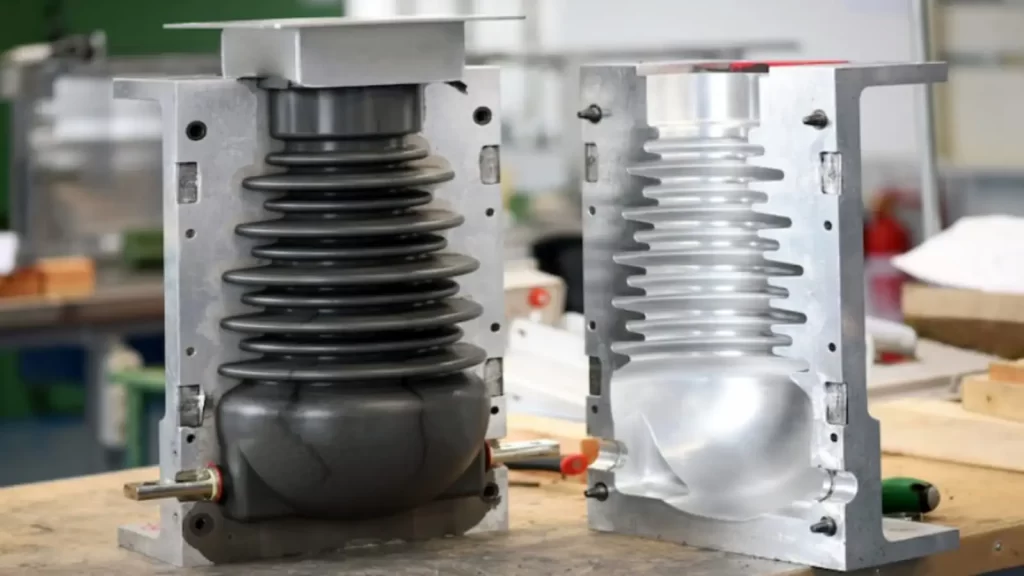
Electronic Compression Moulds

Introduction Electronic compression moulds are specialized moulds used for manufacturing electrical and electronic components such as switch housings, plug tops, connectors, circuit breaker parts, and other insulating components. These moulds are designed to produce high-precision parts using thermosetting materials like phenolic, melamine, or epoxy resins that can withstand heat, electrical stress, and mechanical load. Working

Electronic Compression Moulds Read More »

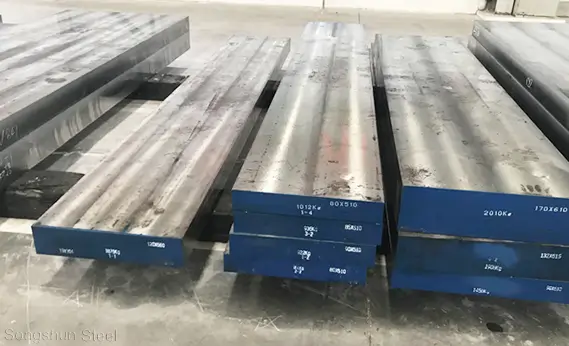
Common Materials for Automobile Moulds (P20, H13, etc.)

Automobile moulds are used extensively in the manufacturing of vehicle components such as bumpers, dashboards, lighting parts, and interior panels. The performance, durability, and precision of these moulds largely depend on the type of material used for their construction. Selecting the right mould material ensures better surface finish, longer life, and cost-effectiveness in production. Below

Common Materials for Automobile Moulds (P20, H13, etc.) Read More »

CAD/CAM Technologies in Furniture Mould Design

1. Introduction In the modern furniture industry, the demand for innovative designs, precision manufacturing, and rapid production has grown significantly. To meet these needs, Computer-Aided Design (CAD) and Computer-Aided Manufacturing (CAM) technologies have become essential tools in mould design and production. These technologies bridge the gap between creative design and physical manufacturing, enabling designers and

CAD/CAM Technologies in Furniture Mould Design Read More »

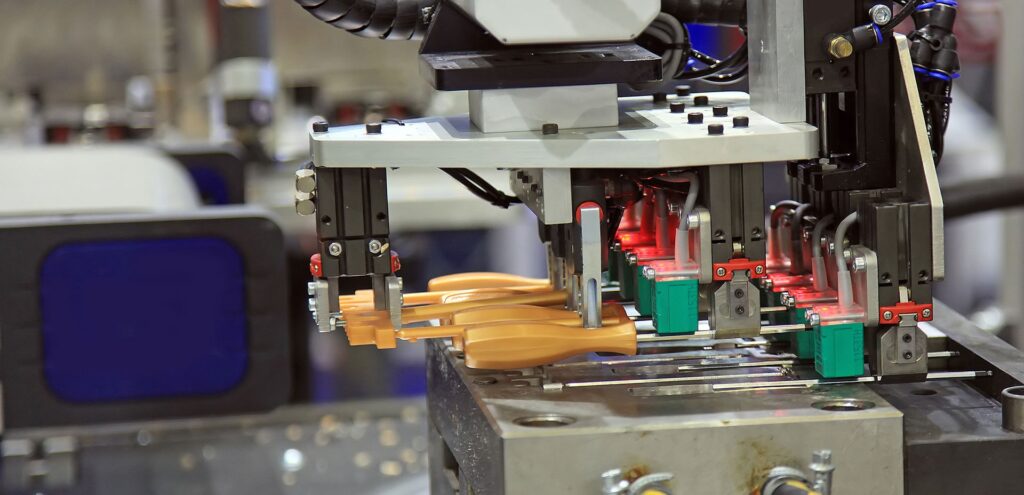
Injection Moulds with Embedded Electronics

1. Introduction Injection moulding is a widely used manufacturing process for producing complex plastic components in high volumes with excellent dimensional accuracy. Traditionally, injection moulds have been purely mechanical systems, designed to shape molten plastic and withstand high pressures and temperatures. However, with the advent of Industry 4.0, smart manufacturing, and embedded sensor technologies, moulds

Injection Moulds with Embedded Electronics Read More »

Design for Manufacturability (DFM) in Automotive Moulds

1. Introduction Design for Manufacturability (DFM) is a crucial engineering practice that ensures a product’s design is optimized for ease of manufacturing, cost efficiency, and consistent quality. In the automotive industry, where precision, durability, and mass production are key, DFM plays a vital role in mould design for plastic, die-cast, and sheet metal components. By

Design for Manufacturability (DFM) in Automotive Moulds Read More »

Factors to Consider in Mould Design for Furniture

Designing moulds for furniture manufacturing—whether for plastic, metal, or composite materials—requires careful consideration of several engineering, material, and aesthetic factors. The quality, durability, and cost-effectiveness of the final product depend significantly on how well the mould is designed. Below are the key factors to consider in mould design for furniture: 1. Type of Furniture and

Factors to Consider in Mould Design for Furniture Read More »

Scroll to Top