September 2026

Closed Compression Moulds

Closed compression moulds are specialized moulding tools used to manufacture plastic, rubber, composite, and other thermoset components by compressing a measured quantity of material inside a closed mould cavity under controlled pressure and temperature. In this process, the mould is loaded with the required amount of material and then closed using a hydraulic or mechanical

Closed Compression Moulds Read More »

Unscrewing Injection Moulds

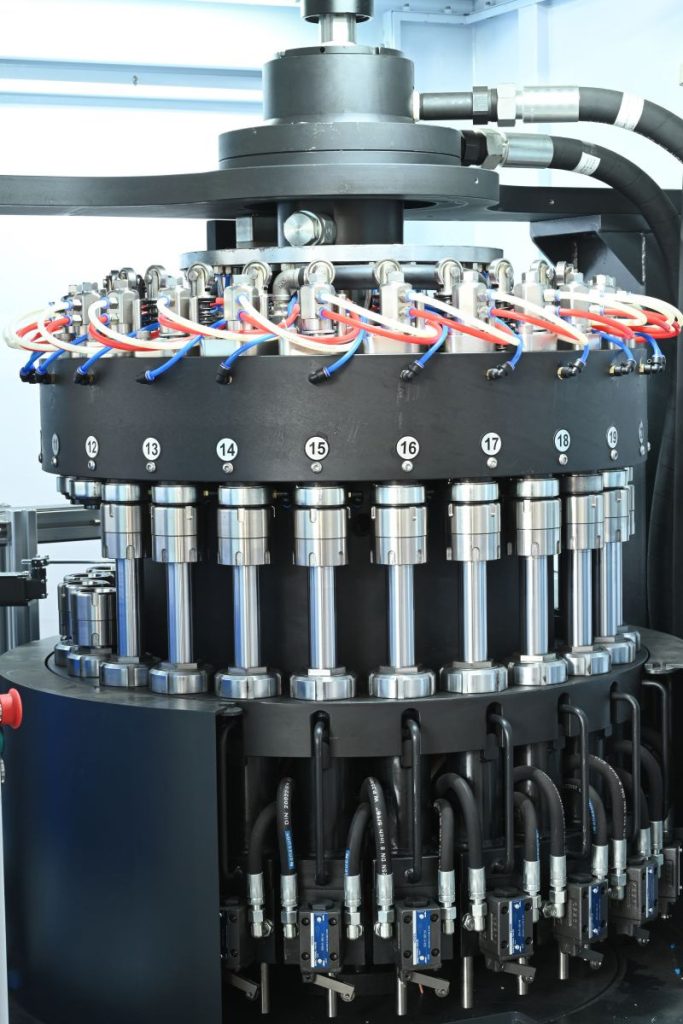
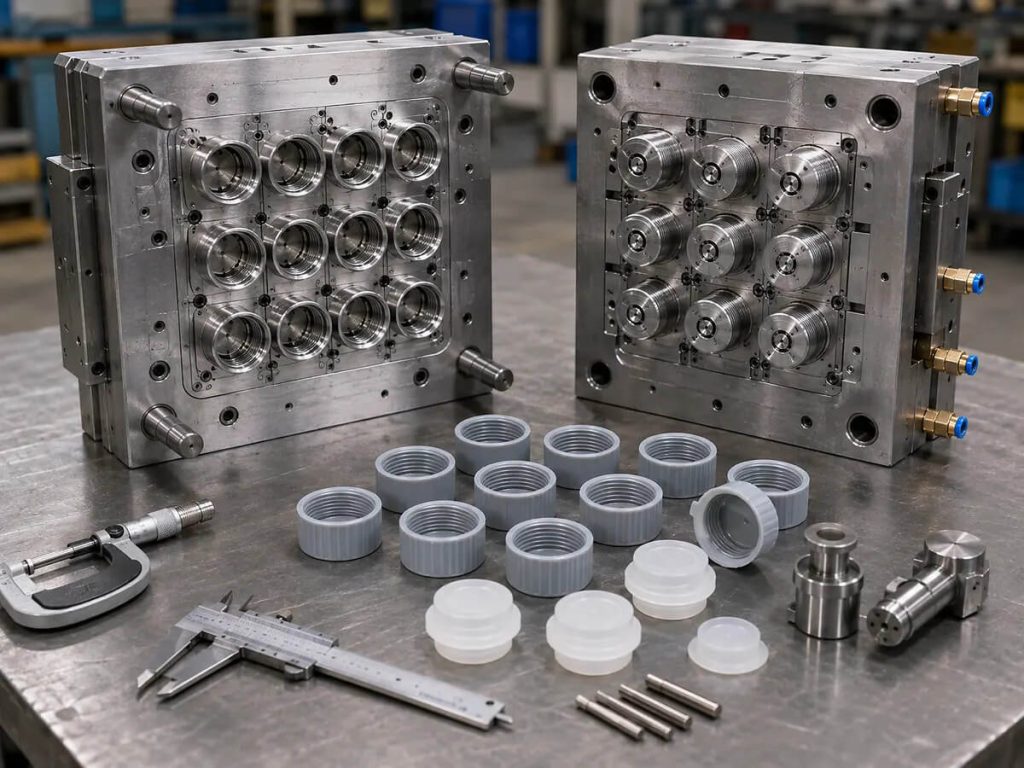
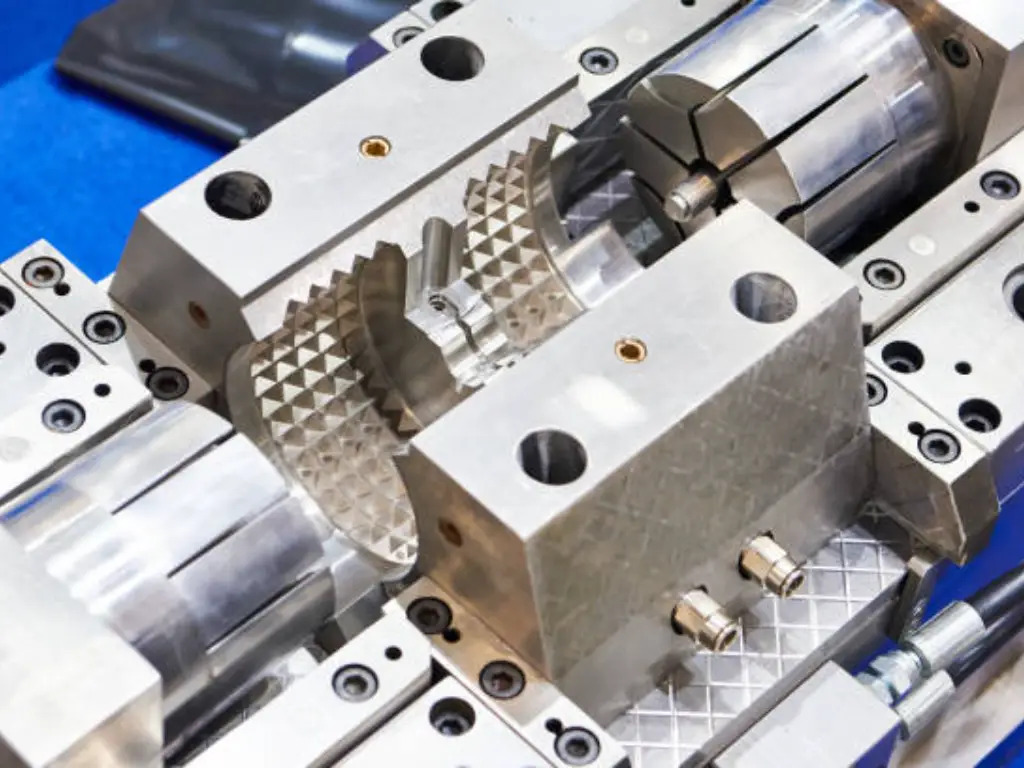
Unscrewing injection moulds are specialized moulding systems designed to manufacture plastic components with internal or external threads, undercuts, and other helical features that cannot be released from a conventional injection mould through simple ejection. These moulds incorporate a mechanical, hydraulic, or servo-driven unscrewing mechanism that rotates the threaded core or cavity during mould opening. This

Unscrewing Injection Moulds Read More »

How to Design a Thermoforming Mould

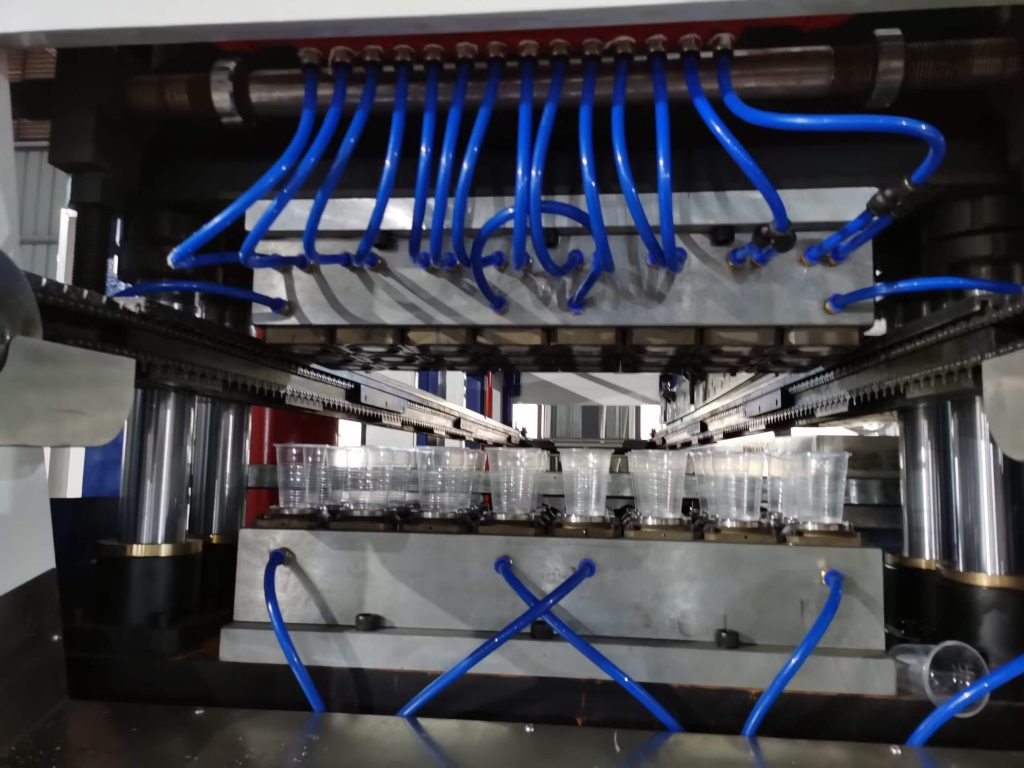
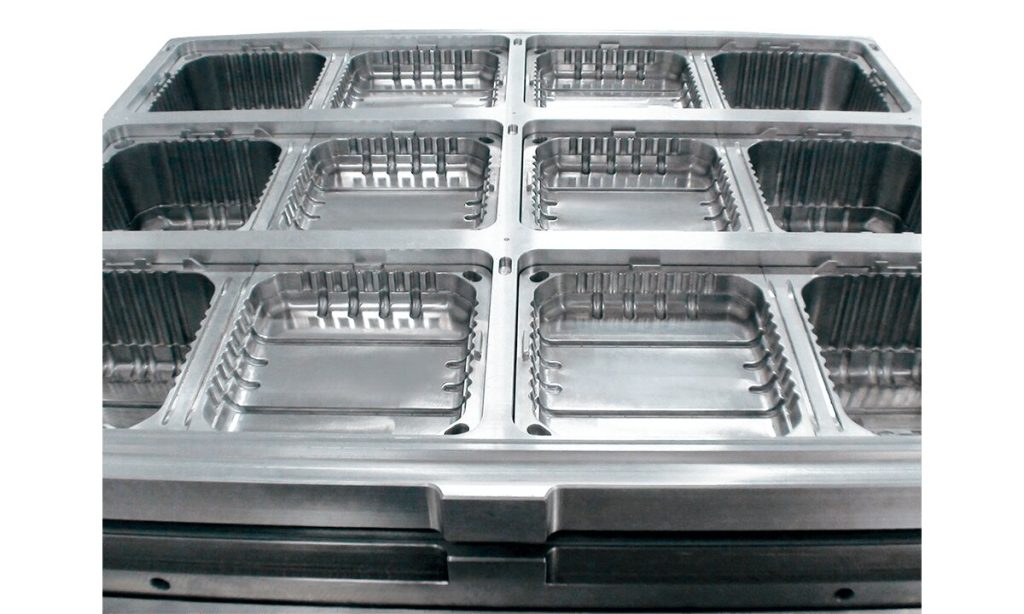
Designing a thermoforming mould is an important step in producing accurate, consistent, and high-quality plastic parts. A well-designed mould ensures that the heated plastic sheet forms correctly, releases easily, maintains uniform wall thickness, and produces the desired shape with minimal defects. Thermoforming mould design involves considering the product geometry, plastic material, sheet thickness, forming method,

How to Design a Thermoforming Mould Read More »

Open Compression Moulds

Open Compression Moulds are a type of compression mould used to manufacture products by applying heat and pressure to a material inside a mould cavity. Unlike fully enclosed moulds, open compression moulds have an open cavity or exposed moulding area where the material is placed and shaped. These moulds are generally used for producing simple

Open Compression Moulds Read More »

Overmoulding Process

Overmoulding is a manufacturing process in which one material is moulded over or around an existing component to create a single combined product. The first component, known as the substrate, is placed into a mould, and a second material is then injected or moulded over it. Overmoulding is commonly used to improve product grip, comfort,

Overmoulding Process Read More »

Insert Moulding

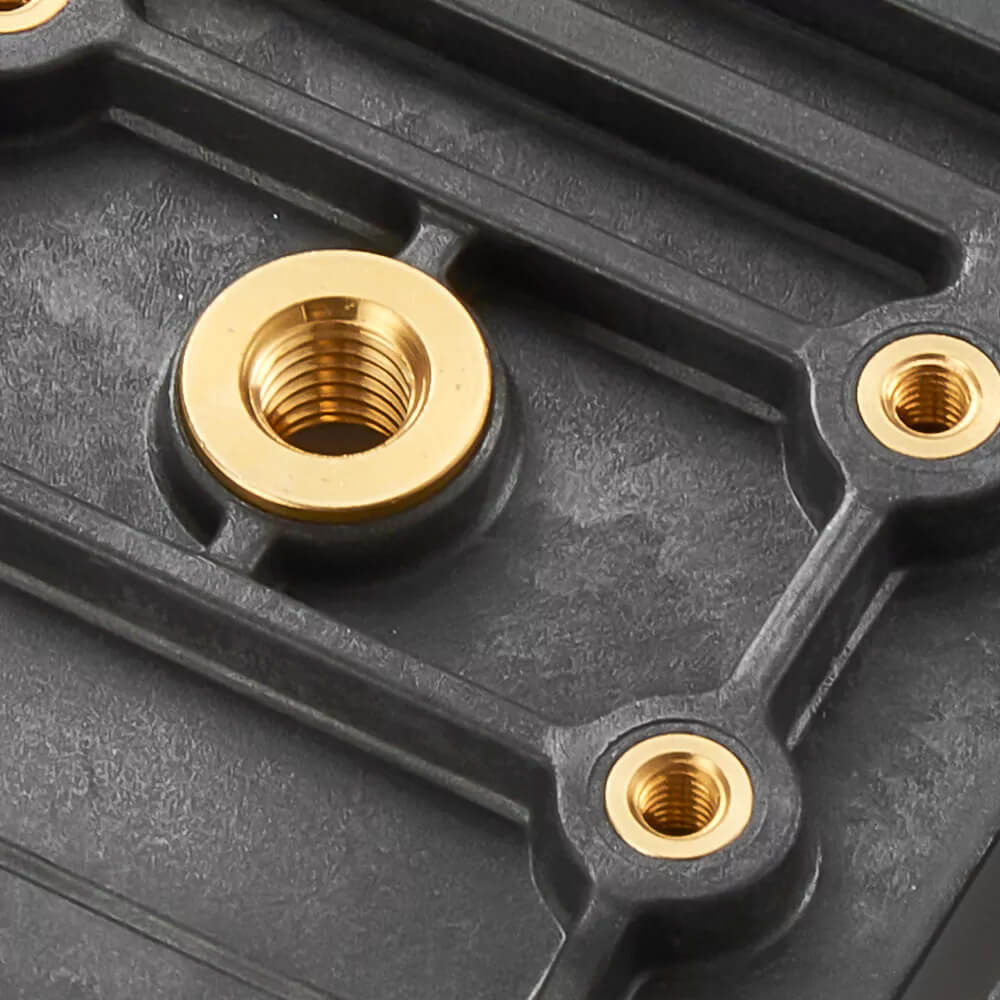
Insert Moulding is an injection moulding process in which a pre-manufactured component, known as an insert, is placed inside a mould before molten plastic is injected around or over it. The plastic solidifies and bonds with or mechanically locks around the insert to create a single finished component. This process is commonly used to combine

Insert Moulding Read More »

Scroll to Top