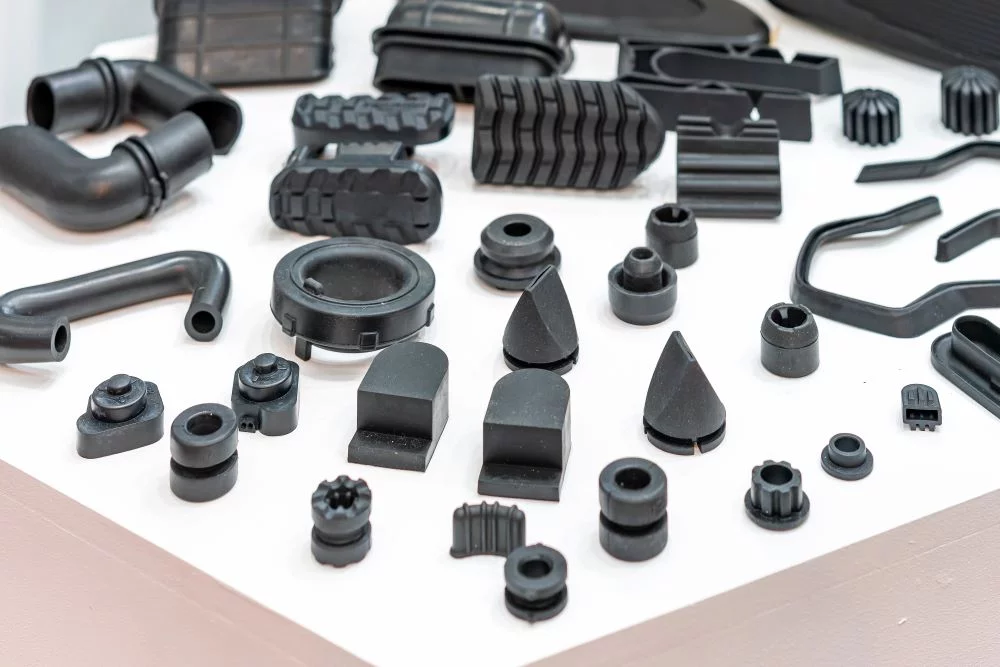
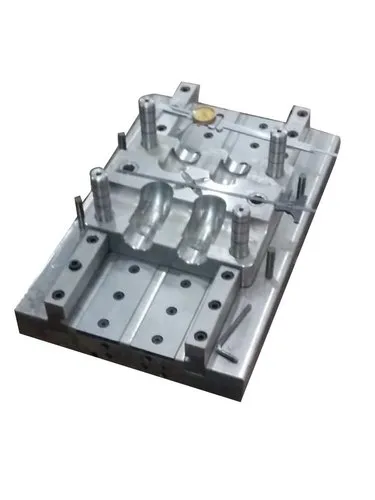
The automotive industry is under increasing pressure to meet sustainability goals by reducing waste, improving energy efficiency, and incorporating recyclable materials in manufacturing processes. One important area where these efforts are gaining traction is in the use of recyclable mold components used in the production of automotive parts. These components are essential for forming the complex shapes and structures found in modern vehicles, and making them recyclable enhances overall environmental performance.
What Are Automotive Mold Components?
Automotive mold components refer to the tools and parts used in mold-making processes such as injection molding, compression molding, and die casting. They include:
Mold bases and frames
Core and cavity inserts
Ejector pins and sleeves
Sprue bushings
Guide pillars and bushings
These components are crucial in shaping both plastic and metal automotive parts, from dashboards to bumpers and engine covers.
Why Recyclability Matters
Traditional mold components are often made from durable, high-performance materials like tool steel or aluminum, which can have significant environmental footprints. Recyclability in this context refers to the ability to:
Reuse mold components after the end of a product’s lifecycle
Recycle materials used in the components for new applications
Reduce waste and minimize resource extraction
Benefits include:
Lower carbon footprint
Cost reduction through material recovery
Compliance with circular economy practices
Enhanced brand reputation
Materials Used in Recyclable Mold Components
Materials chosen for recyclable mold components must balance strength, durability, and ease of recycling:
Aluminum Alloys
Lightweight, corrosion-resistant, and highly recyclable
Common in prototype or short-run tooling
Recycled aluminum retains 95% of its original energy value
Tool Steels (e.g., H13, P20)
High strength and wear resistance
Can be re-melted and reused in steel production
Often remanufactured into new mold tools
Biocomposites and Eco-Alloys (emerging)
Made with biodegradable or plant-based materials
Still under development for mold applications
Design for Recyclability
Engineers and tool designers are adopting Design for Recycling (DfR) principles to make mold components more sustainable:
Modular design for easy disassembly
Standardized components for reusability
Material marking and traceability to ensure proper sorting
Surface treatments that do not hinder recycling
Recycling Process of Mold Components
Disassembly: Mold tools are disassembled into individual components.
Material Sorting: Components are sorted based on material type.
Cleaning and Processing: Contaminants are removed; materials are prepared for recycling.
Re-melting and Reforming: Metals like aluminum and steel are melted and cast into new forms.
Industry Applications and Examples
Tesla and BMW have implemented closed-loop recycling for their aluminum mold components.
Volkswagen uses remanufactured steel molds in some of their production lines.
Tier-1 suppliers like Magna and Bosch invest in recyclable mold technologies to meet OEM sustainability requirements.
Challenges and Considerations
Initial costs for recyclable mold systems may be higher
Material degradation over multiple recycling cycles
Technical limitations for high-temperature or high-pressure applications
Need for industry-wide standards and incentives
Future Outlook
With growing emphasis on the circular economy, the adoption of recyclable mold components in automotive manufacturing is expected to rise. Technological advances in material science, 3D printing of molds, and digital tracking will further enhance the feasibility and efficiency of recycling in this space.
Conclusion
Recyclable automotive mold components represent a key opportunity for the automotive industry to enhance sustainability without compromising performance or quality. By integrating recyclable materials, adopting thoughtful design principles, and investing in recycling infrastructure, automakers and suppliers can reduce environmental impact and build a more circular value chain.