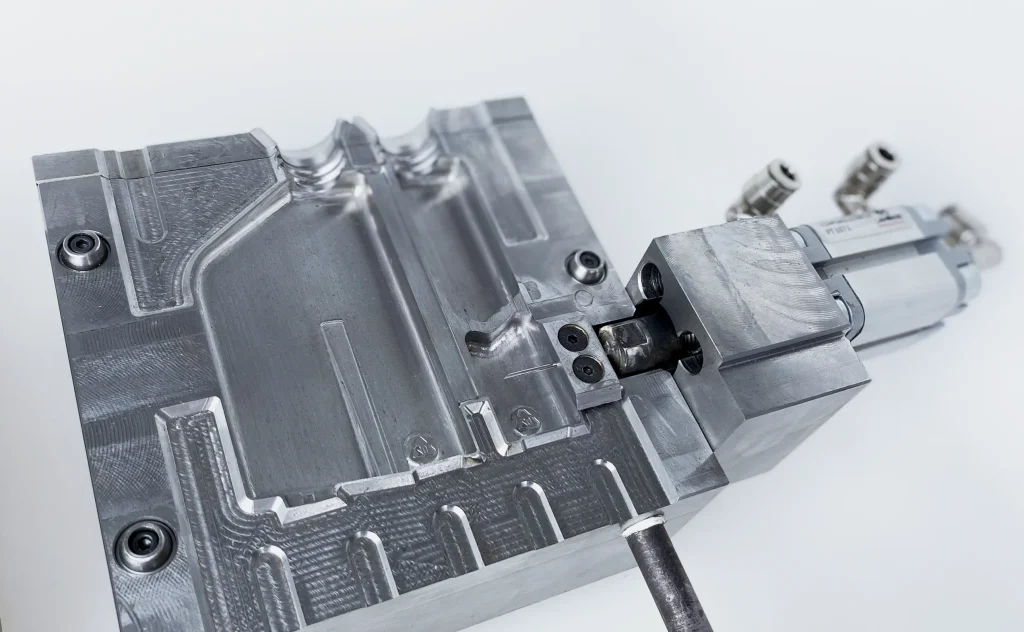
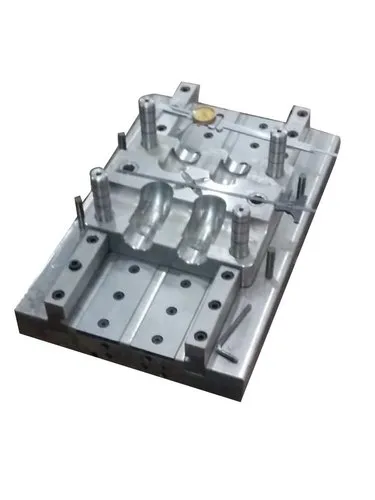
High-precision medical moulding is one of the most demanding areas of plastic manufacturing. Medical devices and components often require extremely tight tolerances, exceptional surface quality, biocompatibility, and strict regulatory compliance. Products such as surgical instruments, diagnostic equipment components, drug delivery devices, implants, microfluidic devices, and laboratory consumables depend on precision moulding to ensure safety, reliability, and performance. Despite significant technological advancements, manufacturers face numerous challenges in achieving consistent quality and efficiency in high-precision medical moulding.
1. Maintaining Extremely Tight Tolerances
Medical components frequently require tolerances measured in microns.
Challenges:
- Dimensional variations caused by material shrinkage.
- Thermal expansion during moulding.
- Wear and tear of mould components.
- Difficulty maintaining consistency across multiple cavities.
Impact:
- Improper device assembly.
- Reduced functionality.
- Increased rejection rates.
- Potential patient safety risks.
Solutions:
- Precision CNC machining and EDM manufacturing.
- Advanced process control systems.
- Regular mould calibration and maintenance.
- Real-time dimensional monitoring.
2. Complex Micro-Scale Component Manufacturing
Many modern medical devices contain miniature components with highly intricate geometries.
Challenges:
- Producing micro-features accurately.
- Ensuring complete cavity filling.
- Preventing short shots and flash formation.
- Managing delicate mould structures.
Examples:
- Microfluidic channels.
- Catheter components.
- Drug delivery devices.
- Diagnostic cartridges.
Solutions:
- Micro-injection moulding technology.
- High-precision mould inserts.
- Advanced simulation software.
- Optimized gating and venting systems.
3. Material Processing Difficulties
Medical moulding often involves specialized materials with unique processing requirements.
Common Materials:
- Polycarbonate (PC)
- Polyether Ether Ketone (PEEK)
- Polypropylene (PP)
- Medical-grade Silicone
- Polyethylene (PE)
Challenges:
- Moisture sensitivity.
- Narrow processing windows.
- Material degradation at high temperatures.
- Consistent flow characteristics.
Solutions:
- Strict material drying procedures.
- Precise temperature control.
- Material-specific mould designs.
- Advanced process monitoring.
4. Regulatory Compliance Requirements
Medical products must comply with stringent international standards and regulations.
Relevant Standards:
- International Organization for Standardization (ISO) ISO 13485
- ISO 10993 (Biocompatibility)
- FDA regulations
- EU Medical Device Regulation (MDR)
Challenges:
- Extensive documentation requirements.
- Process validation and qualification.
- Traceability of materials and production batches.
- Frequent audits and inspections.
Impact:
- Increased development costs.
- Longer project timelines.
- Additional quality assurance requirements.
5. Surface Finish and Cleanliness Demands
Medical components often require flawless surfaces to ensure proper performance and hygiene.
Challenges:
- Preventing scratches and surface defects.
- Eliminating contamination risks.
- Achieving optical-grade transparency when required.
- Maintaining polished mould surfaces.
Applications:
- Syringes.
- Diagnostic lenses.
- Surgical instruments.
- Medical fluid containers.
Solutions:
- High-polish mould cavities.
- Cleanroom manufacturing.
- Automated inspection systems.
- Strict contamination control procedures.
6. Cleanroom Manufacturing Constraints
Many medical products must be produced in controlled cleanroom environments.
Challenges:
- Higher operational costs.
- Specialized equipment requirements.
- Strict personnel protocols.
- Increased maintenance complexity.
Cleanroom Requirements:
- Controlled airborne particle levels.
- Temperature regulation.
- Humidity control.
- Continuous environmental monitoring.
Benefits:
- Reduced contamination risk.
- Improved product safety.
- Regulatory compliance.
7. Mould Design Complexity
Medical moulds often contain sophisticated features to produce highly functional components.
Challenges:
- Thin-wall structures.
- Complex internal geometries.
- Multiple moving mechanisms.
- Precision assembly features.
Consequences:
- Higher tooling costs.
- Longer design cycles.
- Increased maintenance demands.
Solutions:
- Computer-aided engineering (CAE).
- Mould flow simulation.
- Modular mould design approaches.
- Advanced machining technologies.
8. Managing Material Shrinkage and Warpage
Even minor dimensional distortions can render medical components unusable.
Challenges:
- Uneven cooling rates.
- Material-specific shrinkage behavior.
- Internal stresses.
- Complex part geometries.
Solutions:
- Conformal cooling channels.
- Optimized cooling system design.
- Simulation-based mould development.
- Process parameter optimization.
9. Validation and Process Qualification
Medical moulding requires extensive validation before commercial production.
Validation Stages:
- Installation Qualification (IQ)
- Operational Qualification (OQ)
- Performance Qualification (PQ)
Challenges:
- Time-consuming testing procedures.
- Comprehensive documentation.
- Resource-intensive validation activities.
- Continuous process verification requirements.
Benefits:
- Consistent product quality.
- Regulatory approval support.
- Reduced production risks.
10. Tool Wear and Long-Term Consistency
Precision moulds must maintain accuracy over extended production runs.
Challenges:
- Abrasive material wear.
- Surface degradation.
- Loss of dimensional accuracy.
- Increased maintenance requirements.
Solutions:
- High-performance tool steels.
- Surface coatings.
- Preventive maintenance programs.
- Continuous mould performance monitoring.
11. Integration of Advanced Medical Technologies
Emerging healthcare technologies require increasingly sophisticated moulded components.
Examples:
- Wearable medical devices.
- Smart drug delivery systems.
- Lab-on-a-chip devices.
- Connected diagnostic equipment.
Challenges:
- Miniaturization requirements.
- Electronic component integration.
- Multi-material moulding.
- Precision assembly demands.
12. Cost and Time-to-Market Pressures
Medical manufacturers face growing pressure to deliver innovative products quickly while maintaining quality.
Challenges:
- High tooling investments.
- Lengthy development cycles.
- Regulatory approval timelines.
- Competitive market demands.
Solutions:
- Rapid prototyping technologies.
- 3D-printed mould inserts.
- Digital simulation tools.
- Automated production systems.
Future Outlook
Emerging technologies are helping address many of the challenges in high-precision medical moulding:
- Artificial Intelligence (AI)-driven process optimization.
- Smart moulds with embedded sensors.
- Digital twins for real-time process simulation.
- Additive manufacturing for complex tooling.
- Advanced automation and robotics.
- Predictive maintenance systems.
These innovations will improve quality, reduce production risks, and enable the manufacture of increasingly sophisticated medical devices.
Conclusion
High-precision medical moulding presents significant technical, regulatory, and operational challenges. Manufacturers must balance tight tolerances, complex designs, material performance, cleanliness requirements, and regulatory compliance while maintaining efficiency and cost-effectiveness. Through advanced mould design, precision engineering, cleanroom manufacturing, and smart production technologies, the medical industry continues to overcome these challenges and deliver safe, reliable, and innovative healthcare products that support modern medical treatment and patient care.