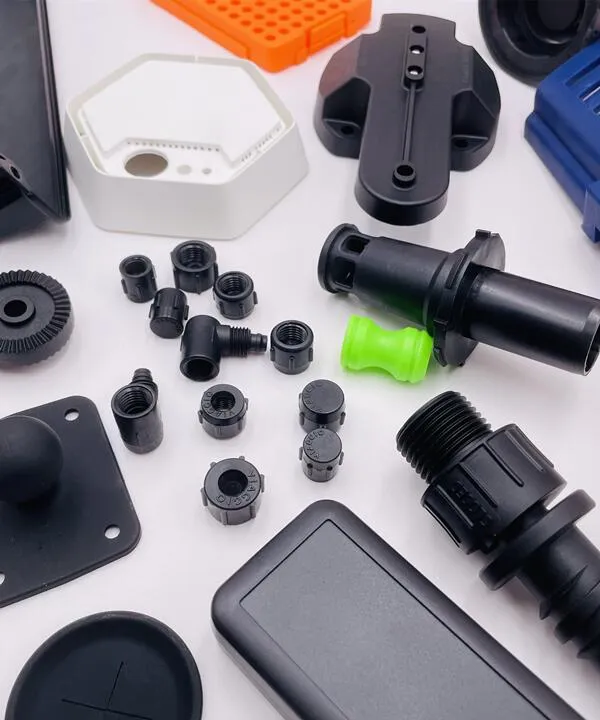
The cosmetic packaging industry relies heavily on advanced mould technology to create visually appealing, functional, and high-quality products. Successful cosmetic mould projects demonstrate how innovative design, precision engineering, and efficient manufacturing can help brands enhance product appeal, improve user experience, and reduce production costs. The following case studies highlight notable examples of successful cosmetic mould development and implementation.
Case Study 1: Luxury Perfume Bottle Cap Mould
Project Objective
A premium cosmetic brand sought to develop a distinctive perfume bottle cap featuring intricate surface textures, metallic finishes, and precise fitting mechanisms.
Challenges
- Complex decorative patterns.
- High-gloss surface requirements.
- Tight dimensional tolerances.
- Consistent appearance across large production volumes.
Mould Solution
- Precision CNC-machined mould cavities.
- Mirror-polished mould surfaces.
- Advanced hot runner system for uniform filling.
- Multi-cavity mould design for increased productivity.
Results
- Superior cosmetic appearance.
- Reduced rejection rates.
- Faster production cycles.
- Enhanced brand identity and product value.
Case Study 2: Airless Cosmetic Pump Packaging
Project Objective
Develop a mould system for an airless pump container used for premium skincare products.
Challenges
- Multiple precision components.
- Strict sealing requirements.
- Consistent wall thickness.
- Smooth assembly performance.
Mould Solution
- High-precision injection moulds.
- Tight tolerance control throughout production.
- Optimized cooling channels.
- Automated quality inspection integration.
Results
- Leak-free packaging performance.
- Extended product shelf life.
- Improved customer satisfaction.
- Increased manufacturing efficiency.
Case Study 3: Dual-Color Lipstick Case Mould
Project Objective
Create a stylish lipstick case featuring two contrasting colors in a single moulded component.
Challenges
- Accurate material bonding.
- Complex aesthetic requirements.
- Prevention of color contamination.
- Maintaining dimensional accuracy.
Mould Solution
- Two-shot injection moulding technology.
- Rotary mould system.
- Advanced material flow analysis.
- Optimized gating and runner design.
Results
- Premium visual appearance.
- Reduced assembly operations.
- Strong material adhesion.
- Successful market launch of a luxury product line.
Case Study 4: Compact Powder Case with Integrated Mirror
Project Objective
Produce a compact cosmetic case with precise mirror placement and durable hinge functionality.
Challenges
- Thin-wall moulding requirements.
- High dimensional precision.
- Durable living hinge design.
- Scratch-resistant surface finish.
Mould Solution
- Precision mould inserts.
- High-speed injection moulding.
- Specialized cooling system.
- Textured mould surfaces for premium aesthetics.
Results
- Excellent product durability.
- Reduced manufacturing defects.
- Improved consumer experience.
- Increased production capacity.
Case Study 5: Sustainable Cosmetic Packaging Mould
Project Objective
Develop environmentally friendly packaging using recycled and biodegradable materials.
Challenges
- Material flow inconsistencies.
- Higher shrinkage variations.
- Maintaining aesthetic quality.
- Achieving commercial-scale production.
Mould Solution
- Material-specific cavity design.
- Enhanced venting systems.
- Optimized cooling and processing parameters.
- Extensive simulation-based mould testing.
Results
- Successful use of sustainable materials.
- Reduced environmental impact.
- Compliance with sustainability goals.
- Positive consumer response.
Case Study 6: Mascara Tube and Brush Handle Mould
Project Objective
Manufacture high-volume mascara packaging with precise threading and ergonomic brush handles.
Challenges
- Fine thread formation.
- Consistent wall thickness.
- High-volume production requirements.
- Ergonomic design implementation.
Mould Solution
- Unscrewing mould mechanism.
- Multi-cavity mould configuration.
- Automated part ejection systems.
- Precision EDM machining.
Results
- High production efficiency.
- Excellent thread quality.
- Improved assembly performance.
- Reduced manufacturing costs.
Case Study 7: Travel-Size Cosmetic Container Mould
Project Objective
Develop compact cosmetic containers suitable for travel and sample packaging.
Challenges
- Miniaturized component dimensions.
- Thin-wall structures.
- Leak prevention.
- Fast production cycles.
Mould Solution
- Micro-precision mould design.
- Hot runner technology.
- Advanced cooling channels.
- Precision cavity machining.
Results
- Lightweight and durable packaging.
- Reduced material consumption.
- High production output.
- Strong market acceptance.
Case Study 8: Custom Decorative Cosmetic Jar Lid
Project Objective
Create a luxury cosmetic jar lid featuring embossed branding and decorative patterns.
Challenges
- Fine-detail reproduction.
- Premium surface finish requirements.
- Consistent replication across cavities.
- Efficient mass production.
Mould Solution
- Laser-textured mould surfaces.
- High-precision engraving techniques.
- Balanced runner systems.
- Advanced polishing processes.
Results
- Enhanced product differentiation.
- Strong brand recognition.
- Consistent decorative quality.
- Increased product shelf appeal.
Key Success Factors in Cosmetic Mould Projects
1. Advanced Design Simulation
Modern mould flow analysis helps optimize material flow, cooling performance, and defect prevention before production begins.
2. Precision Engineering
High-accuracy machining technologies ensure dimensional consistency and superior product quality.
3. Efficient Cooling Systems
Optimized cooling channel designs reduce cycle times and improve part stability.
4. Automation Integration
Robotics and automated inspection systems enhance productivity and consistency.
5. Material Compatibility
Successful mould designs consider the specific properties of cosmetic-grade polymers and sustainable materials.
6. Aesthetic Excellence
Premium surface finishes and decorative features are critical for cosmetic product appeal.
Conclusion
Successful cosmetic mould projects demonstrate the importance of combining innovative design, precision manufacturing, advanced simulation, and efficient production technologies. Whether developing luxury perfume caps, sustainable packaging, airless pump containers, or decorative cosmetic jars, modern mould solutions help manufacturers achieve superior aesthetics, functionality, and production efficiency. As cosmetic brands continue to seek differentiation and sustainability, mould technology will remain a key driver of innovation and competitive advantage in the industry.