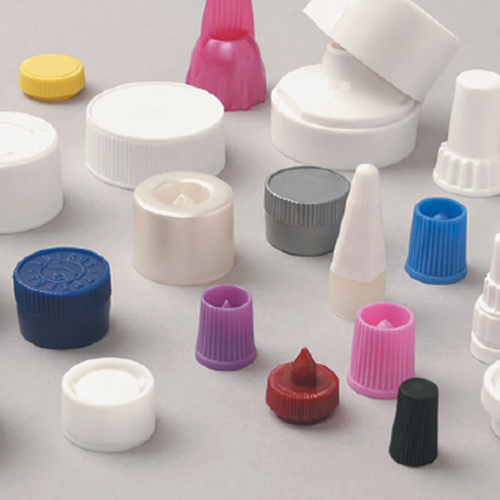
Caps and closures play a crucial role in packaging, preserving product integrity, preventing contamination, and ensuring safety. From pharmaceuticals to food and beverages, cosmetics, and household products, the choice of closure can significantly influence product usability, shelf life, and customer satisfaction. Below is an in-depth look at the various types of caps and closures used across industries.
1. Screw Caps (Threaded Closures)
Description: Screw caps are among the most commonly used closures. They feature a threaded design that twists onto a container neck, providing a secure and often airtight seal.
Common Uses:
Bottled water
Soft drinks
Cooking oils
Pharmaceutical bottles
Materials:
Plastic (e.g., PP, HDPE)
Metal (e.g., aluminum)
Advantages:
Reusable
Easy to open and close
Tamper-evident options available
2. Snap-On Caps
Description: These closures “snap” into place over the neck of a container without requiring threads. They are commonly used for lightweight packaging and offer quick application.
Common Uses:
Dairy products
Shampoo bottles
Lotion dispensers
Advantages:
Quick and easy application
Cost-effective
Ideal for high-speed production
3. Flip-Top Caps
Description: Flip-top caps have a hinged lid that can be opened and closed with one hand. They’re designed for convenience and controlled dispensing.
Common Uses:
Hand sanitizers
Condiments
Liquid soaps
Advantages:
User-friendly
Reduces contamination
Ideal for on-the-go use
4. Dispensing Closures
Description: These closures allow for controlled release of the product without fully removing the cap. Types include twist tops, push-pull caps, and disc tops.
Common Uses:
Ketchup bottles
Sports drinks
Cosmetic creams
Advantages:
Controlled flow
Reduced waste
Enhanced user convenience
5. Child-Resistant Closures (CRC)
Description: Designed to prevent access by children, CRCs typically require a complex motion to open, such as pushing down and twisting simultaneously.
Common Uses:
Pharmaceuticals
Household chemicals
Cannabis products
Advantages:
Safety-compliant
Tamper-resistant
Helps prevent accidental ingestion
6. Tamper-Evident Closures
Description: These closures provide a visible indication that a product has been opened or tampered with. They often include breakable bands or seals.
Common Uses:
Beverages
OTC medications
Packaged food
Advantages:
Consumer trust
Regulatory compliance
Product security
7. Corks
Description: Traditionally made from cork oak bark, modern corks may also be synthetic. They are primarily used for sealing glass bottles, particularly in the wine industry.
Common Uses:
Wine bottles
Spirits
Advantages:
Airtight seal (for aging)
Aesthetic appeal
Traditional branding
8. Lug Caps
Description: Lug caps have a specific number of threads and require less than a full turn to open. Often found on jars and vacuum-sealed containers.
Common Uses:
Pickles and preserves
Pasta sauces
Canned food
Advantages:
Excellent sealing capabilities
Vacuum compatibility
Easy to apply and remove
9. Pump and Spray Closures
Description: These closures dispense product through a pump mechanism or atomizing spray. Ideal for liquids, lotions, and aerosols.
Common Uses:
Perfumes
Cleaning products
Moisturizers
Advantages:
Precise dispensing
Hygienic
Reusable components
10. Crimp-On Caps
Description: These are typically made of metal and crimped onto a container, forming a tight seal. Used where tamper resistance is essential.
Common Uses:
Carbonated drinks
Pharmaceuticals
Glass vials
Advantages:
Strong seal
Tamper-evident
Often used with glass
Conclusion
Selecting the right cap or closure is essential for product success. It affects everything from consumer experience and safety to branding and regulatory compliance. Innovations continue to emerge in the industry, driven by sustainability concerns, user convenience, and enhanced functionality.
When choosing a closure, consider:
Product type
Consumer needs
Regulatory requirements
Material compatibility
Sustainability
Understanding the various types of caps and closures empowers manufacturers to make informed packaging decisions that optimize performance, safety, and customer satisfaction.