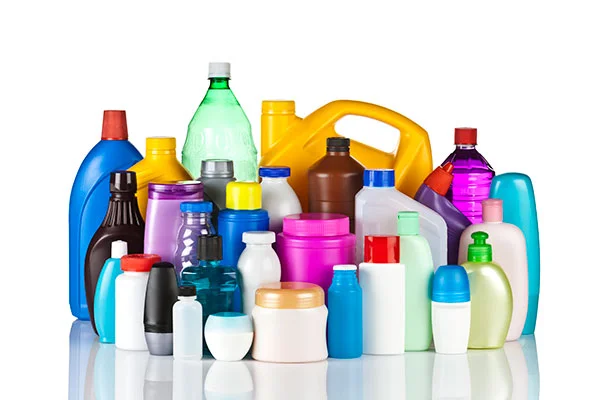
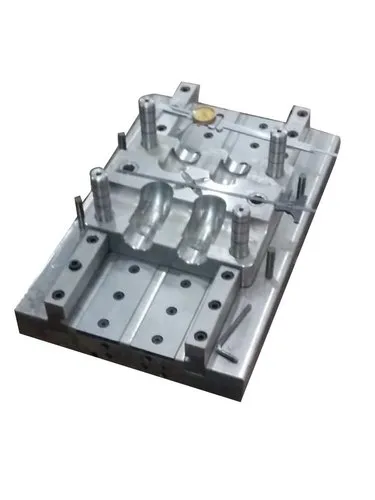
Blow moulding is a widely used manufacturing process in the packaging industry that involves forming hollow plastic parts by inflating a heated plastic tube (parison) inside a mould cavity. This method is favored for its efficiency, versatility, and cost-effectiveness, making it ideal for producing a variety of packaging products. Below are the major applications of blow moulding in the packaging industry:
1. Bottles for Beverages and Liquids
Blow moulding is most commonly associated with the production of plastic bottles used for:
Soft drinks, water, and juices
Dairy products like milk and yogurt
Oils (edible and industrial)
Alcoholic beverages such as spirits and liquors
These bottles are primarily made using extrusion blow moulding (EBM) or injection stretch blow moulding (ISBM), depending on the desired strength, clarity, and shape.
2. Personal Care and Household Product Containers
A wide range of packaging for personal and household care products is manufactured using blow moulding:
Shampoo and conditioner bottles
Liquid soap and hand sanitizer containers
Cleaning agent bottles
Laundry detergent packaging
These containers often require ergonomic designs, easy dispensing features, and aesthetic appeal—all of which can be easily achieved through blow moulding.
3. Pharmaceutical and Healthcare Packaging
Blow moulding plays a crucial role in the production of:
Syrup bottles
Ointment containers
Nasal sprays and droppers
Eye drop bottles
These products require high precision, safety, and compliance with regulatory standards, which blow moulding supports with its repeatable and contamination-free processes.
4. Food Packaging
Blow moulding is used to manufacture a variety of food containers and jars:
Sauce and condiment bottles (ketchup, mustard, etc.)
Peanut butter and jam jars
Honey dispensers
Food-grade storage jars
These packages are often made using HDPE, PET, or PP, offering food safety, strength, and recyclability.
5. Industrial and Bulk Packaging
Blow moulding is also used for producing large containers used in industrial packaging:
Jerry cans
Drums and barrels
Intermediate bulk containers (IBCs)
These are used for storing chemicals, lubricants, and other bulk liquids. The materials used, such as HDPE, offer chemical resistance and durability.
6. Cosmetic Packaging
The cosmetic industry requires visually appealing and functional packaging. Blow moulding is used to manufacture:
Perfume and lotion bottles
Cream jars
Compact and travel-size containers
These are often custom-shaped to suit brand aesthetics and consumer preferences.
7. Customized and Innovative Packaging Solutions
Blow moulding also supports the creation of unique, brand-specific designs such as:
Contoured bottles with handles
Dual-compartment containers
Transparent and tinted designs
Eco-friendly, lightweight alternatives
Customization is easy due to flexible tooling and rapid prototyping capabilities.
Advantages of Blow Moulding in Packaging
High production efficiency
Low material wastage
Lightweight yet strong containers
Cost-effective for high-volume runs
Compatibility with recycled plastics
Design flexibility and fast turnaround
Conclusion
Blow moulding continues to be a cornerstone technology in the packaging industry, supporting a wide range of applications across consumer goods, food and beverage, pharmaceuticals, and industrial sectors. Its adaptability, cost-efficiency, and compatibility with modern sustainability goals make it a preferred choice for packaging manufacturers worldwide.