1. Introduction to Deposit Return Schemes (DRS)
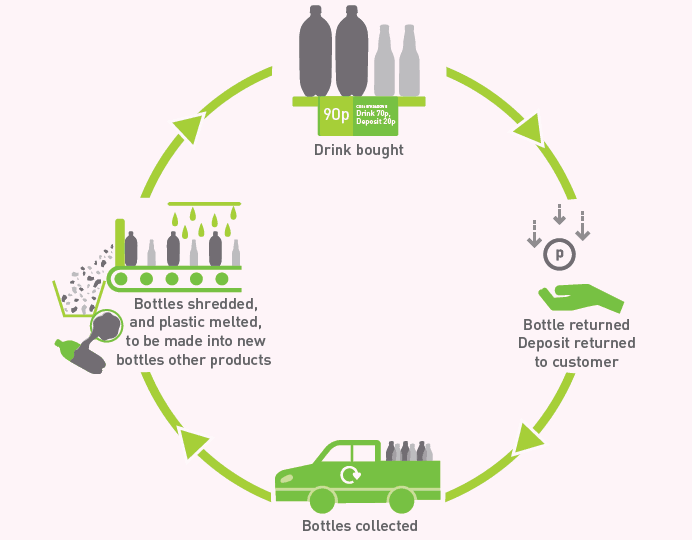
Deposit Return Schemes (DRS) are recycling programs designed to reduce litter and improve recycling rates by incentivizing the return of beverage containers. Under DRS, consumers pay a small deposit when purchasing a drink, which is refunded when the empty container is returned to a designated collection point.
Key Features of DRS:
Applies mainly to single-use containers like plastic bottles, glass bottles, and aluminum cans.
Deposits range from a few cents to around 25 cents, depending on the country.
Common in countries like Germany, Norway, and parts of Australia and Canada, with increasing adoption worldwide.
2. Objectives and Benefits of DRS
Environmental: Reduces pollution, boosts recycling rates, and conserves resources.
Economic: Creates jobs in collection and recycling industries.
Social: Raises consumer awareness and encourages responsible waste management.
3. Types of Closures and Their Role in DRS
Closures (caps, lids, seals) are an integral part of beverage containers and play a significant role in DRS systems. Common types include:
Screw caps (plastic or metal)
Snap-on caps
Tethered caps (required by new EU legislation)
Crown caps (on glass bottles)
Pull-tabs and ring-pulls (on cans)
4. Impact of DRS on Closures
A. Design & Material Changes
Tethered Caps Requirement: The EU Single-Use Plastics Directive mandates that plastic caps must remain attached to the bottle to prevent littering. This has driven a shift in closure design.
Recyclability Focus: Closures must be designed using materials compatible with the recycling stream of the main container.
Standardization Pressure: Closure designs are being standardized for better sorting and reprocessing in DRS infrastructure.
B. Manufacturing & Cost Implications
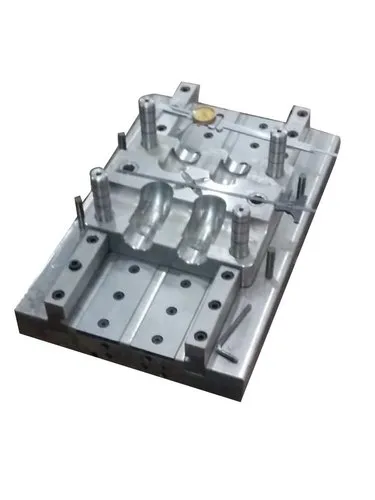
Manufacturers face increased R&D and tooling costs to adapt to DRS-compliant closures (especially tethered designs).
New materials and assembly processes may be needed, affecting cost and supply chains.
C. Operational Challenges
Reverse vending machines and manual return systems must be able to handle containers with closures intact, especially tethered ones.
Beverage producers and fillers need to ensure DRS compatibility without compromising product safety or consumer experience.
D. Consumer Behavior
Educating consumers to return containers with closures intact is essential to maintain material quality and fulfill legislative requirements.
Some users may find tethered closures inconvenient, affecting user experience and potentially compliance rates.
5. Industry Adaptation and Innovation
Closure manufacturers are investing in new technologies to produce tamper-evident, tethered, and fully recyclable caps.
Brands are collaborating with DRS operators to optimize packaging and return logistics.
Packaging innovations now prioritize “design for recyclability”, where closures are no longer an afterthought but part of a closed-loop system.
6. Future Outlook
As DRS expands globally:
More countries are likely to introduce tethered closure regulations.
The integration of smart technology (e.g., digital watermarks) into closures could improve DRS efficiency and traceability.
Closure design will increasingly balance regulatory compliance, sustainability, and user convenience.
7. Conclusion
Deposit Return Schemes are transforming the beverage packaging landscape, particularly affecting closures. While they introduce new challenges in design, production, and user interaction, they also drive innovation and environmental benefits. Adapting closures for compatibility with DRS is not just a regulatory requirement—it’s a crucial step toward a more sustainable packaging ecosystem.