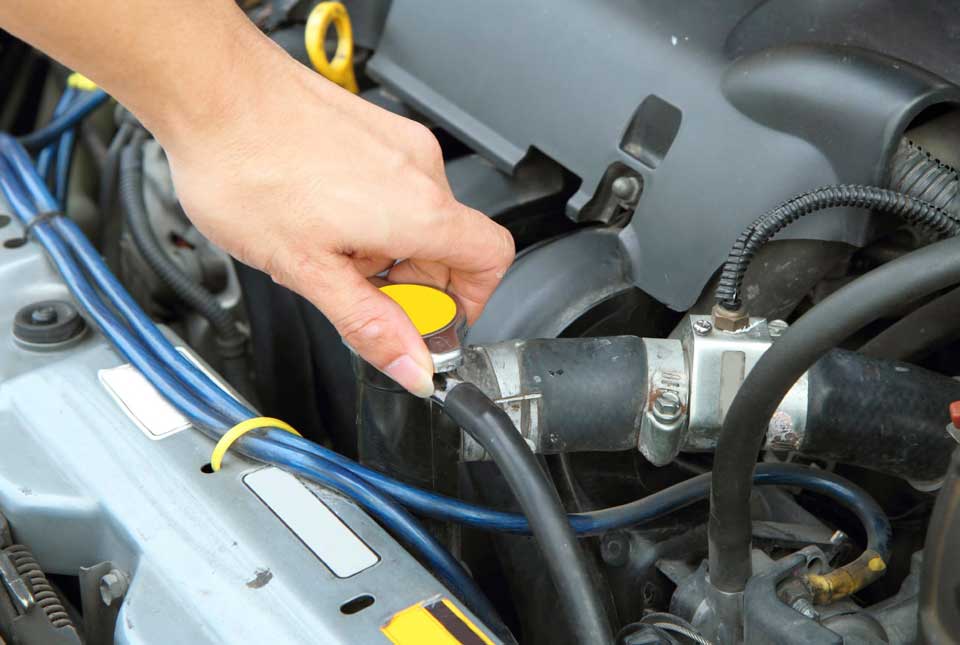
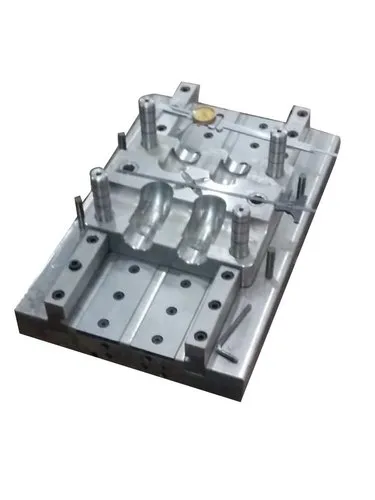
Efficient cooling systems are critical in houseware die applications, especially in processes like injection molding, die casting, or thermoforming. Proper cooling ensures dimensional accuracy, reduces cycle times, and prolongs die life. Neglecting maintenance can lead to product defects, increased wear, and operational downtime.
1. Importance of Cooling Systems in Houseware Dies
Thermal Control: Maintains uniform temperature throughout the die to avoid warping or shrinkage in molded products.
Improved Cycle Time: Efficient heat dissipation enables faster solidification, improving production rates.
Die Longevity: Reduces thermal stresses and fatigue on the die material.
Product Quality: Ensures consistency in surface finish, dimensional accuracy, and mechanical properties of the molded items.
2. Common Cooling System Components
Cooling channels (integrated within the die)
Water or oil lines
Heat exchangers
Manifolds and flow regulators
Pumps and filters
3. Key Maintenance Practices
a. Regular Cleaning of Cooling Channels
Why: Scale, rust, and mineral deposits can block channels, reducing cooling efficiency.
How: Use descaling solutions or ultrasonic cleaning. Perform this during scheduled downtime.
b. Leak Detection and Repair
Periodically inspect for leaks at joints, fittings, or cracked channels.
Replace damaged O-rings, seals, or tubing as needed.
c. Flow Rate and Pressure Monitoring
Install flow sensors to ensure uniform coolant distribution.
Look out for reduced flow rates, which may indicate blockages.
d. Use of Treated Water
Use deionized or treated water to prevent scale build-up and corrosion inside channels.
Regularly test water pH and hardness levels.
e. Temperature Monitoring
Monitor inlet and outlet temperatures to assess performance.
A significant temperature differential may indicate restricted flow or improper channel design.
f. Preventive Maintenance Schedule
Maintain a log for cleaning, inspections, and repairs.
Schedule periodic full-system flushing and inspection based on usage intensity.
4. Advanced Maintenance Techniques
a. Thermal Imaging
Identify hotspots or uneven cooling patterns that may not be visible externally.
b. Flow Simulation Software
Evaluate and redesign inefficient cooling layouts using CAD and simulation tools.
c. Inline Filtration Systems
Prevent contaminants from entering cooling circuits, thereby extending maintenance intervals.
5. Common Issues from Poor Maintenance
Warped or dimensionally inaccurate parts
Increased cycle times and energy consumption
Shortened die life due to thermal cracking or fatigue
Unexpected production downtime
6. Conclusion
Routine maintenance of the cooling system in houseware dies is essential for ensuring optimal performance, consistent product quality, and operational efficiency. A proactive maintenance strategy, combined with proper system design and monitoring, minimizes risks and enhances productivity in high-volume manufacturing environments.