Injection molding is a common manufacturing process for producing plastic parts, and the design of the runner system—how the molten plastic flows into the mold cavities—is crucial for efficiency and product quality. Two primary types of runner systems are hot runner and cold runner systems. Understanding their differences helps manufacturers choose the best option for their specific needs.
1. What is a Runner System?
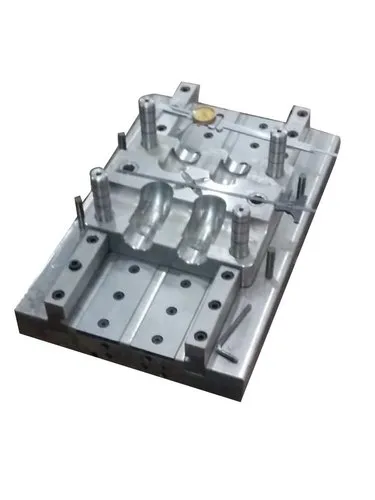
A runner system is a channel within the mold that guides molten plastic from the injection molding machine nozzle to the mold cavities where the parts are formed.
2. Cold Runner System
Description:
In a cold runner system, the channels through which the plastic flows are unheated.
The plastic cools and solidifies within the runner channels along with the molded parts.
After molding, the runner is ejected along with the parts and usually needs to be separated, trimmed, or recycled.
Advantages:
Lower upfront mold cost compared to hot runners.
Simpler mold design and easier maintenance.
Suitable for small production runs or prototypes.
Disadvantages:
Material waste: runners solidify and are often discarded or require recycling.
Longer cycle times because the runner must cool before ejection.
Potential for inconsistent melt temperature as the plastic cools in the runner.
3. Hot Runner System
Description:
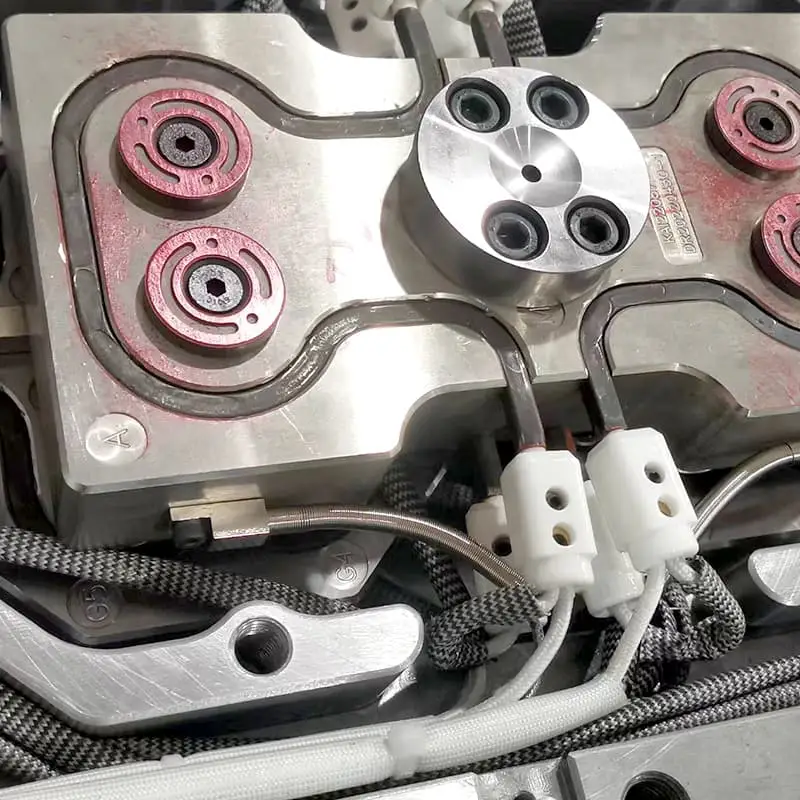
A hot runner system uses heated channels to keep the plastic molten as it flows to the cavities.
There is no solidified runner; the plastic flows directly into the cavities and only the molded parts are ejected.
The hot runner manifold and nozzles are electrically or thermally heated to maintain the molten state.
Advantages:
Reduces material waste significantly because there are no runners to trim or recycle.
Faster cycle times due to elimination of runner cooling.
Improved part quality with consistent melt temperature and reduced defects.
Greater design flexibility for complex or multi-cavity molds.
Disadvantages:
Higher initial tooling cost due to complexity.
Requires precise temperature control and maintenance.
Repairs can be more complex and costly.
4. Comparison Summary
| Feature | Cold Runner System | Hot Runner System |
|---|---|---|
| Runner Temperature | Unheated (cold) | Heated (hot) |
| Material Waste | High (solid runners discarded/recycled) | Low (no solid runners) |
| Cycle Time | Longer (cooling of runners needed) | Shorter (no runner cooling) |
| Initial Mold Cost | Lower | Higher |
| Maintenance | Easier and less costly | More complex and costly |
| Part Quality | Variable due to cooling runners | Generally better with consistent melt |
| Application | Small runs, simple molds | High-volume production, complex molds |