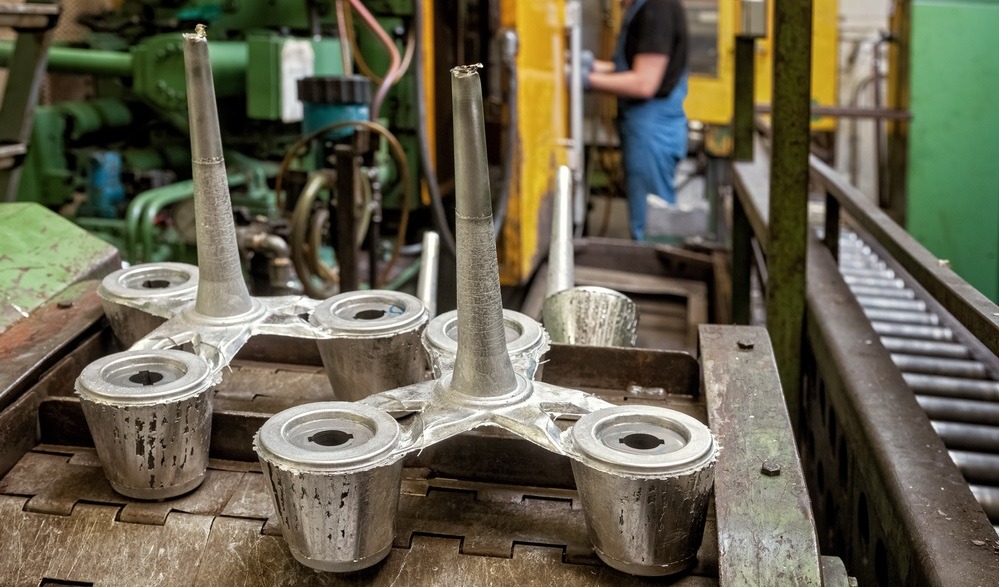
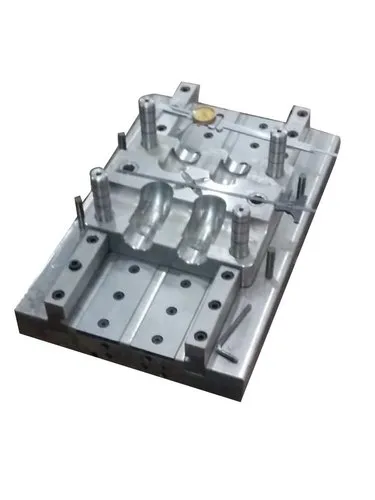
Sustainability in die and mould manufacturing refers to the adoption of environmentally responsible practices, materials, and technologies throughout the design, production, and lifecycle of dies and moulds. As global industries face growing pressure to reduce carbon footprints and comply with environmental regulations, die and mould manufacturers are increasingly focusing on sustainable operations without compromising on quality or performance.
Key Aspects of Sustainability in Die and Mould Manufacturing
1. Material Efficiency
Optimized Material Selection: Choosing recyclable and durable materials (e.g., tool steels with long life spans) minimizes waste and extends tool life.
Near-net Shape Manufacturing: Using processes like additive manufacturing or precision casting reduces material removal and scrap generation.
Material Recycling: Scrap metals from machining processes can be collected and recycled back into the manufacturing stream.
2. Energy Efficiency
High-Efficiency Machines: Modern CNC machines with energy-efficient motors and regenerative braking systems reduce energy consumption.
Smart Manufacturing: Integration of IoT and automation allows for real-time monitoring and optimization of energy use across operations.
Process Optimization: Using simulation software to predict tool wear, machining forces, and thermal effects can minimize trial-and-error, thus reducing energy and resource waste.
3. Waste Reduction
Lean Manufacturing Practices: Implementation of lean principles (e.g., 5S, Kaizen) reduces overproduction, excess inventory, and waste.
Coolant and Lubricant Recycling: Filtration and reuse of coolants not only save costs but reduce environmental pollution.
Dry Machining or MQL (Minimum Quantity Lubrication): Reduces reliance on harmful coolants and lowers post-processing cleanup.
4. Eco-Friendly Design
Design for Manufacturability (DFM): Designing dies and moulds with ease of manufacturing in mind reduces errors, rework, and scrap.
Modular Tooling: Modular designs enable parts of dies or moulds to be replaced instead of discarding the entire unit.
Lifecycle Assessment (LCA): Conducting LCA helps identify environmental impact at each stage and facilitates better design and material choices.
5. Digital Technologies
Additive Manufacturing (3D Printing): Enables complex, lightweight tool designs with minimal waste.
Digital Twin Technology: Simulates the tool’s performance and wear before physical production, reducing prototype requirements and resource usage.
CAM and Simulation Software: Reduces toolpath errors, material waste, and machining time.
Benefits of Sustainable Practices
Reduced Environmental Impact: Lower emissions, waste, and energy consumption contribute to a greener production process.
Cost Savings: Efficient resource use, energy savings, and longer tool life reduce operational costs.
Improved Market Competitiveness: Meeting global sustainability standards opens up new markets and enhances brand image.
Regulatory Compliance: Helps meet environmental regulations and certifications such as ISO 14001.
Challenges and Solutions
| Challenge | Solution |
|---|---|
| High initial investment in green technologies | Long-term ROI analysis, government incentives, and phased adoption |
| Lack of skilled workforce | Training programs focused on sustainable manufacturing methods |
| Resistance to change | Leadership commitment, employee involvement, and demonstration of cost-benefits |
| Limited availability of eco-friendly materials | Collaboration with suppliers to source sustainable alternatives |