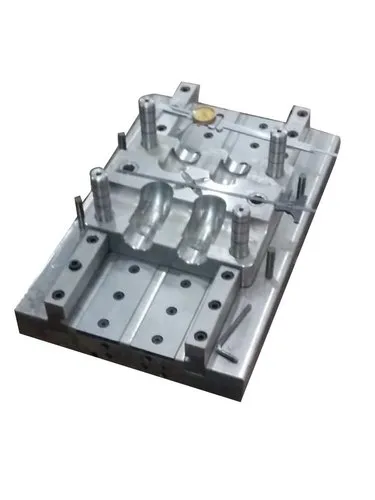
Predictive maintenance in smart moulds represents a major advancement in modern manufacturing, particularly in injection moulding and other plastic forming industries. By leveraging real-time data and advanced analytics, predictive maintenance helps detect potential issues before they lead to mould failure or production downtime. This proactive approach ensures consistent quality, reduces maintenance costs, and extends the lifespan of expensive mould tools.
Concept of Predictive Maintenance
Predictive maintenance involves using sensors, data acquisition systems, and artificial intelligence (AI) algorithms to monitor the condition of moulds during operation. Instead of performing maintenance at fixed intervals (as in preventive maintenance), predictive systems analyze data trends—such as temperature, pressure, vibration, and cycle time—to forecast when a component is likely to fail. Maintenance is then performed only when necessary, optimizing both time and resources.
Key Technologies Involved
Sensors and IoT Devices:
Smart moulds are equipped with temperature, pressure, humidity, and strain sensors. These IoT-enabled sensors continuously record and transmit data about mould conditions during each production cycle.Data Analytics and AI Algorithms:
Machine learning models analyze large sets of operational data to detect abnormal patterns that may indicate wear, contamination, or misalignment in the mould components.Cloud-Based Monitoring Systems:
Collected data is transmitted to cloud platforms where predictive algorithms process the information and alert operators about potential issues in real-time.Digital Twins:
Virtual models of the moulds simulate real-world conditions and help predict future performance based on current and historical data, enabling deeper insight into maintenance needs.
Benefits of Predictive Maintenance
Reduced Downtime: Early detection of issues prevents unexpected stoppages during production.
Extended Mould Life: By maintaining optimal operating conditions, wear and tear are minimized.
Improved Product Quality: Real-time monitoring ensures consistent mould performance and dimensional accuracy.
Lower Maintenance Costs: Maintenance activities are scheduled based on actual need rather than fixed time intervals, avoiding unnecessary servicing.
Enhanced Decision-Making: Data-driven insights allow manufacturers to plan production and maintenance more effectively.
Applications in Moulding Operations
Injection Moulds: Monitoring cooling channels, ejector systems, and core-cavity alignment.
Compression and Transfer Moulds: Predicting material flow inconsistencies and mechanical stress accumulation.
Automotive and Electronic Moulds: Ensuring surface finish consistency and precision for high-value components.
Challenges and Future Outlook
While predictive maintenance offers substantial benefits, challenges such as sensor calibration, data integration, and initial setup costs remain. However, with advancements in AI, edge computing, and affordable sensor technologies, predictive maintenance is expected to become a standard feature in next-generation smart moulds. Future systems will autonomously diagnose faults, recommend corrective actions, and even optimize mould parameters in real-time.
Conclusion
Predictive maintenance transforms traditional mould management into a data-driven, intelligent process. By integrating sensors, AI, and IoT technologies, manufacturers can achieve higher productivity, reliability, and sustainability. As industries move toward smart manufacturing and Industry 4.0, predictive maintenance will play a crucial role in ensuring the efficiency and longevity of moulding systems.