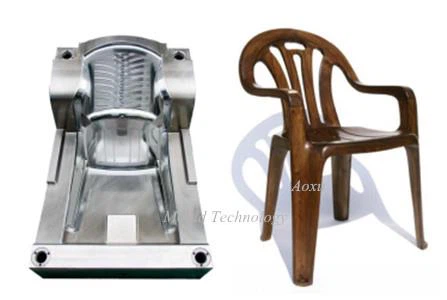
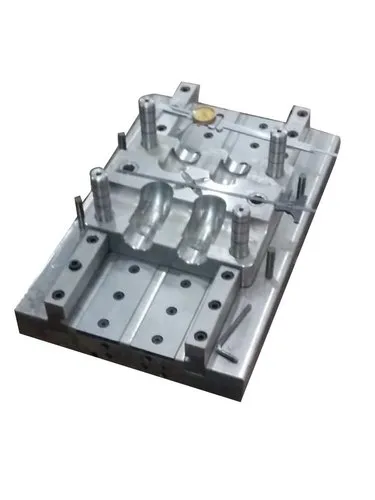
Plastic chairs are among the most common and widely produced plastic furniture items due to their durability, light weight, and cost-effectiveness. The quality, strength, and finish of these chairs depend significantly on the moulds used in their production. Moulds for plastic chairs are designed with precision to ensure accurate shape, comfort, and long-term performance.
1. Overview
Moulds for plastic chairs are typically made from high-grade tool steels or aluminum alloys, engineered to withstand high pressure and temperature during the injection moulding process. The mould design determines the final chair’s structural integrity, weight, surface finish, and ergonomics.
2. Types of Chair Moulds
a. Single-Cavity Moulds
Designed to produce one chair per cycle.
Commonly used for small to medium production volumes.
Easier to maintain and less expensive to manufacture.
b. Multi-Cavity Moulds
Produce two or more chairs per cycle.
Ideal for high-volume mass production.
Require larger injection moulding machines and higher precision alignment.
c. Stack Moulds
Feature multiple layers (or “stacks”) of cavities arranged vertically.
Optimize production space and reduce cycle time.
Offer increased productivity without enlarging the machine footprint.
d. Gas-Assisted Injection Moulds
Use pressurized gas to hollow out thick sections of the chair.
Result in lightweight yet strong structures.
Minimize material usage and prevent sink marks or warping.
e. Rotational or Blow Moulds (for Hollow Chairs)
Used in special designs like hollow-back or monoblock chairs.
Enable uniform wall thickness and reduced weight.
3. Key Features of Plastic Chair Moulds
a. Material and Durability
Constructed from P20, H13, or 718H steel, ensuring high hardness, wear resistance, and long life.
Mirror-polished cavities for smooth surface finish on chairs.
b. Precision Cooling System
Integrated water channels for efficient temperature regulation.
Reduces cooling time and enhances production efficiency.
c. Venting and Ejection System
Proper venting to avoid air traps and surface blemishes.
Ejector pins and plates for smooth release of the finished chair without deformation.
d. Design and Ergonomics
Moulds are developed using CAD/CAM/CAE software for precise modeling.
Contours and backrest angles are optimized for comfort and aesthetics.
e. Surface Texture Options
Can produce glossy, matte, wood-grain, or custom textures depending on surface finishing of the cavity.
f. Customization
Moulds can be tailored to different chair types—dining chairs, garden chairs, office chairs, or kids’ chairs.
Logo or brand embossing can be integrated into the cavity design.
4. Maintenance and Life Cycle
Regular cleaning and lubrication extend mould life.
Proper storage and anti-corrosion coating prevent surface damage.
With good maintenance, a quality steel mould can last 500,000 to 1,000,000 cycles or more.
5. Applications
Plastic chair moulds are extensively used in:
Furniture manufacturing industries
Public seating systems
Outdoor and garden furniture
Institutional and cafeteria seating
6. Advantages
High repeatability and consistent quality
Reduced production costs
Capability to create complex shapes and lightweight designs
Excellent surface finish and minimal post-processing
Conclusion
Moulds for plastic chairs are the foundation of efficient and high-quality chair production. With advancements in mould design, materials, and injection technologies, modern chair moulds ensure durability, comfort, and appealing aesthetics, making them a key asset for competitive furniture manufacturing.