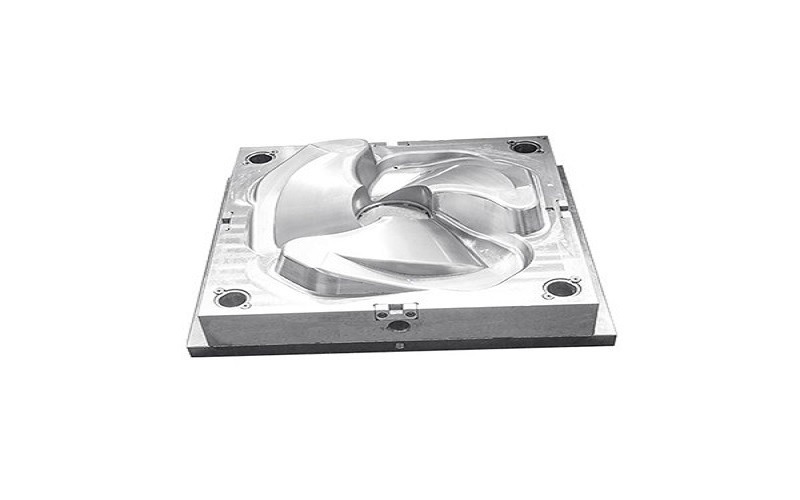
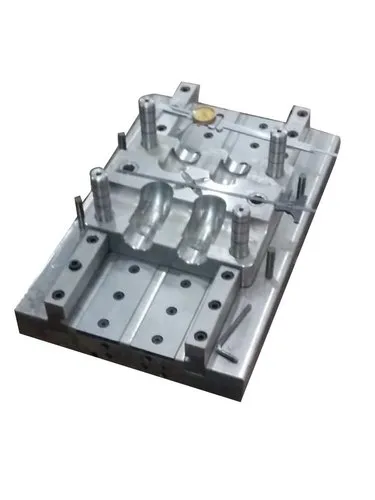
Engine components such as covers, fans, and housings play a vital role in protecting internal engine mechanisms, ensuring efficient cooling, and maintaining overall system reliability. The production of these components requires high-precision moulds capable of withstanding demanding performance and temperature conditions. Advanced mould design and manufacturing techniques ensure consistent quality, dimensional accuracy, and durability of these critical parts.
Types of Engine Component Moulds
Engine Cover Moulds
Used for manufacturing protective covers that shield internal parts such as timing belts, valve assemblies, or electronics.
Designed for thermal stability and dimensional accuracy to ensure perfect sealing and vibration resistance.
Materials commonly used include glass-fiber reinforced nylon or high-temperature thermoplastics.
Fan Moulds
Designed for producing engine cooling fans or blower blades.
Requires perfect balance, aerodynamic efficiency, and structural integrity.
Precision moulding ensures even blade thickness and uniform air distribution.
Housing Moulds
Used to form enclosures for alternators, filters, or other mechanical assemblies.
Must maintain strength, rigidity, and impact resistance while minimizing weight.
Incorporates intricate features like mounting points, air vents, and clips.
Key Features of Engine Component Moulds
High Dimensional Precision: Achieved using CNC machining, EDM, and high-quality tool steels such as P20, H13, or S136.
Temperature Resistance: Moulds are built to handle high processing temperatures of engineering plastics.
Complex Geometry Handling: Supports intricate component shapes with thin walls, ribs, and venting slots.
Durability and Longevity: Enhanced by advanced surface coatings like nitriding or hard chrome plating.
Efficient Cooling Systems: Optimized water channels improve cycle time and maintain consistent part quality.
Materials Used in Engine Component Moulding
Engineering Plastics: PA66, PBT, PP, and ABS for lightweight and durable components.
Glass-Fiber Reinforced Polymers: Offer superior heat and impact resistance.
Aluminium Inserts: Sometimes integrated for heat dissipation in hybrid components.
Manufacturing Process
Mould Design: 3D CAD modelling with precise tolerances and flow simulations to predict material behavior.
Mould Machining: CNC milling, EDM, and polishing for fine detail and smooth surface finishes.
Trial and Testing: Prototype runs ensure perfect fit, sealing, and balance before mass production.
Production: Automated injection moulding systems used for consistent, high-volume output.
Applications
Automotive engine covers, fan shrouds, and housings
Generator and pump engine systems
Agricultural and industrial machinery engines
Two-wheeler and small engine components
Conclusion
Moulds for engine components like covers, fans, and housings are critical in producing durable, heat-resistant, and dimensionally stable parts. The combination of precision engineering, robust materials, and advanced moulding techniques ensures that every component meets stringent automotive and industrial performance standards.