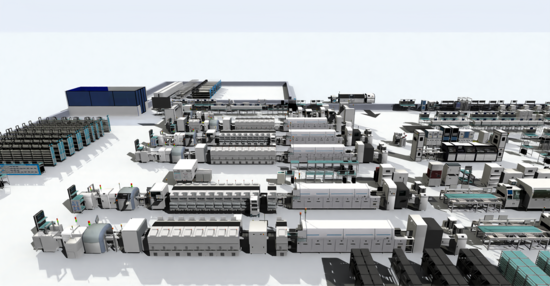
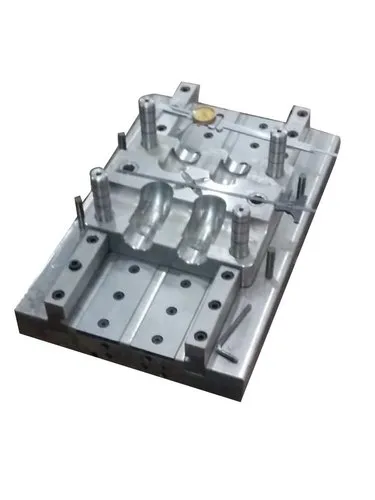
Digital Twin technology is transforming the mould-making industry by bringing virtual simulation and real-time data into every stage of design, production, and maintenance. A digital twin is a virtual replica of a physical mould, machine, or entire manufacturing process. It behaves exactly like the real object, allowing engineers to test, analyze, and optimize without touching the actual mould.
1. What Is a Digital Twin?
A digital twin is a 3D virtual model that:
Mirrors the physical mould and its behaviour
Receives data from sensors, machines, and software
Helps manufacturers predict performance and prevent failures
It acts as a “live digital copy” of the mould.
2. Benefits of Digital Twins in Mould Design
a. Faster and Smarter Design
Engineers can simulate the entire moulding process (cooling, filling, shrinkage, stress).
Errors are detected in the virtual stage, reducing physical trials.
Design cycles become shorter and more accurate.
b. Better Material and Component Optimization
Material flow and temperature distribution can be analysed.
Helps choose the right steel grade, cooling channels, gating system, etc.
c. Improved Accuracy in Complex Moulds
High-precision moulds for automotive, medical devices, and electronics benefit from detailed digital modelling.
Allows optimization of inserts, sliders, lifters, and mechanisms.
3. Digital Twins in Mould Manufacturing
a. Virtual Machining Simulation
CNC toolpaths, EDM operations, and milling strategies are tested digitally.
Avoids tool collisions and reduces scrap.
Ensures accurate machining with fewer reworks.
b. Real-Time Production Monitoring
When connected to IoT-enabled machines:
Mould temperature, pressure, cycle time, and wear are monitored live.
Alerts are triggered when anomalies appear.
c. Predictive Maintenance
Digital twin predicts when a mould will require polishing, cleaning, or part replacement.
Extends mould life and reduces downtime.
4. Applications of Digital Twins in Moulding Industries
Automotive: Predicts tool wear and ensures structural accuracy.
Medical Devices: Helps maintain precision and hygiene standards.
Consumer Electronics: Improves consistency for high-volume moulds.
Aerospace: Ensures strict dimensional tolerances.
5. Key Technologies Involved
3D CAD/CAE Tools (SolidWorks, CATIA, Moldflow)
IoT Sensors and Data Acquisition Systems
AI/ML Algorithms for pattern recognition
Cloud and Edge Computing for real-time analysis
CNC Simulation Software
6. Advantages for Mould Manufacturers
Reduced prototyping costs
Lower production downtime
Improved mould quality and lifespan
Increased customer confidence
Faster time-to-market
7. Future Trends
AI-driven autonomous tuning of moulding parameters
Integration with additive manufacturing for hybrid moulds
Full automation of mould validation using digital twins
Use of VR/AR for immersive mould design reviews