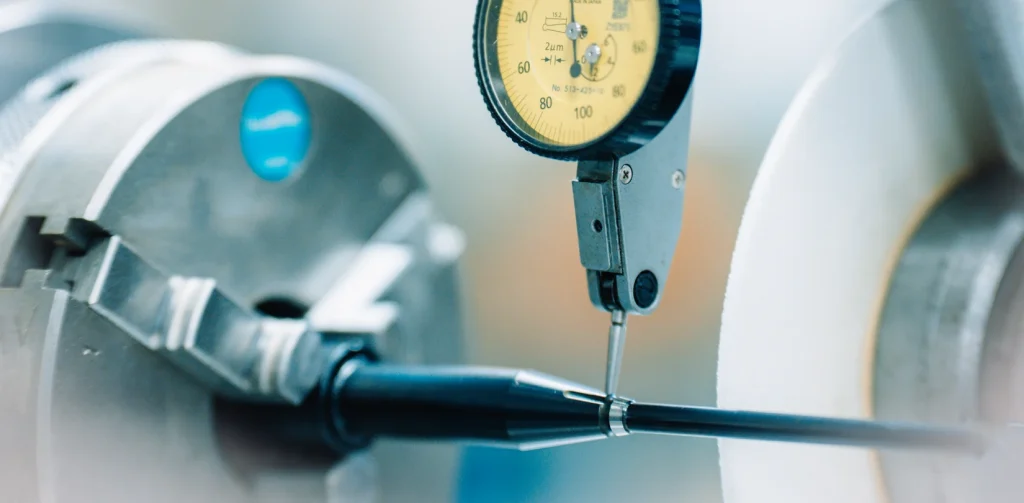
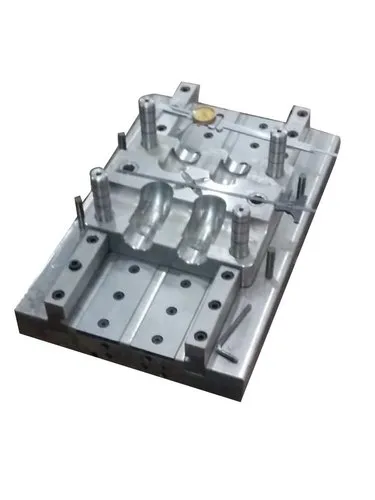
In the cosmetic industry, moulds play a critical role in ensuring the precision, consistency, and aesthetic appeal of final products such as containers, caps, and applicators. To meet global standards and customer expectations, manufacturers of cosmetic moulds must adhere to various quality certifications. These certifications demonstrate compliance with international quality, safety, and environmental requirements.
1. ISO 9001 – Quality Management System (QMS)
ISO 9001
ISO 9001 is the most widely adopted quality management certification across industries. For cosmetic mould manufacturers, it ensures:
- Consistent product quality and process control
- Strong documentation and traceability systems
- Continuous improvement in manufacturing processes
- Customer satisfaction and complaint handling
This certification builds trust with global clients and ensures standardized operations.
2. ISO 14001 – Environmental Management System (EMS)
ISO 14001
ISO 14001 focuses on minimizing environmental impact. In mould manufacturing, it supports:
- Efficient use of raw materials and energy
- Reduction of waste, emissions, and pollution
- Sustainable production practices
This is increasingly important as cosmetic brands emphasize eco-friendly packaging.
3. ISO 45001 – Occupational Health & Safety
ISO 45001
This certification ensures safe working conditions within mould manufacturing facilities:
- Risk identification and workplace hazard control
- Employee safety training and compliance
- Reduction in workplace incidents
A safe environment leads to improved productivity and reliability.
4. ISO 13485 – Medical Device Quality (When Applicable)
ISO 13485
Although primarily for medical devices, ISO 13485 may be relevant when cosmetic moulds are used for products with therapeutic or dermatological applications:
- Strict quality control and validation processes
- Enhanced documentation and traceability
- Compliance with regulatory requirements
5. Good Manufacturing Practices (GMP)
GMP
GMP guidelines are essential in cosmetic production and indirectly impact mould manufacturing:
- Clean and controlled production environments
- Prevention of contamination
- Consistent product quality
Moulds used in cosmetic production must meet hygiene and precision standards aligned with GMP.
6. ISO 22716 – Cosmetic GMP
ISO 22716
Specifically designed for the cosmetic industry, ISO 22716 provides:
- Guidelines for production, control, storage, and shipment
- Emphasis on hygiene and contamination control
- Standardized operational procedures
Mould manufacturers supplying cosmetic brands often align with these practices.
7. RoHS Compliance (Restriction of Hazardous Substances)
RoHS
RoHS ensures that mould components and materials do not contain harmful substances like lead or mercury:
- Safe materials for consumer products
- Compliance with international export regulations
- Environmental and health safety assurance
8. REACH Compliance
REACH
REACH regulates chemical substances used in manufacturing:
- Ensures safe use of chemicals in mould materials
- Protects human health and environment
- Mandatory for exporting to European markets
9. Customer-Specific Certifications and Audits
Many global cosmetic brands require additional quality audits and compliance standards:
- Vendor qualification and technical audits
- Tool validation and performance testing
- Documentation and reporting standards
These requirements vary depending on client specifications and market demands.
Conclusion
Quality certifications are essential for cosmetic mould manufacturers to ensure product reliability, safety, and global acceptance. Adopting standards like ISO 9001, ISO 14001, and ISO 22716 not only improves internal processes but also enhances credibility with international clients. As sustainability and regulatory compliance become more critical, certifications such as RoHS and REACH are increasingly important in maintaining competitive advantage.