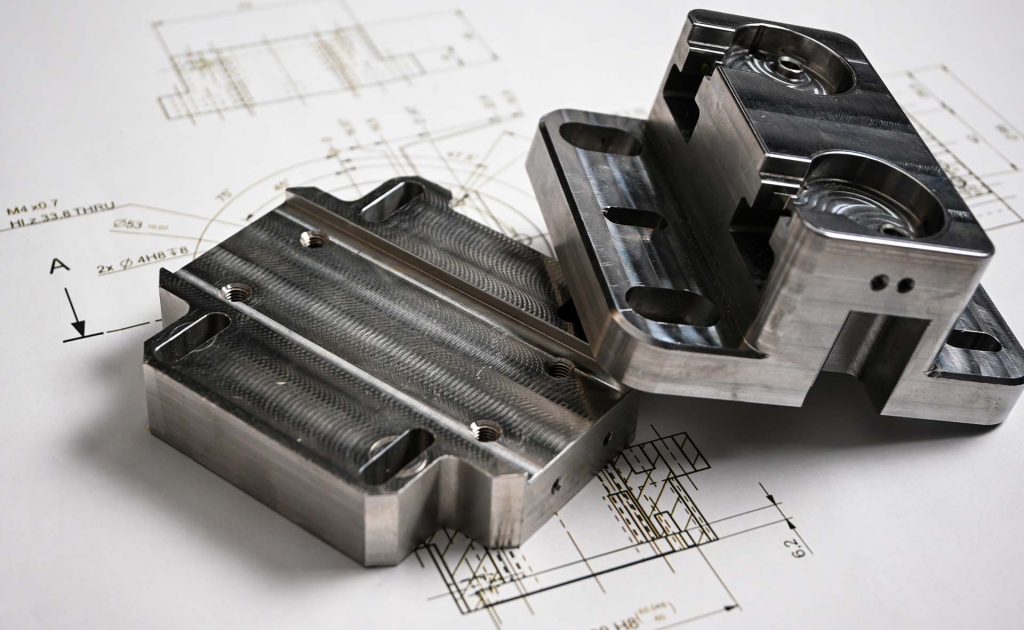
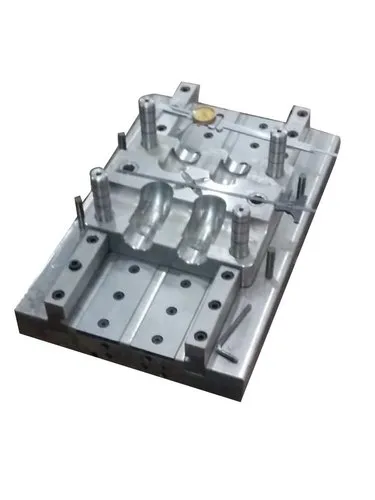
Rapid prototyping plays a critical role in modern cosmetic mould development by enabling faster design validation, reduced development costs, and improved product quality. In the highly competitive cosmetics industry—where aesthetics, functionality, and time-to-market are crucial—rapid prototyping helps manufacturers quickly transform concepts into tangible models for testing and refinement.
1. What is Rapid Prototyping?
Rapid prototyping refers to a group of advanced manufacturing techniques used to quickly fabricate a physical model or prototype directly from 3D CAD data. These prototypes allow designers and engineers to evaluate product design, fit, form, and function before committing to full-scale mould manufacturing.
2. Importance in Cosmetic Mould Development
Cosmetic products such as lipstick cases, compact powder boxes, mascara containers, and perfume caps require high precision and visual appeal. Rapid prototyping helps in:
- Design Visualization: Provides a realistic representation of the final product.
- Early Error Detection: Identifies design flaws before mould fabrication.
- Faster Iterations: Enables quick modifications and improvements.
- Customer Approval: Helps clients approve design aesthetics and ergonomics.
3. Common Rapid Prototyping Techniques
a) 3D Printing (Additive Manufacturing)
- Technologies include SLA (Stereolithography), SLS (Selective Laser Sintering), and FDM (Fused Deposition Modeling).
- Ideal for complex geometries and intricate cosmetic designs.
- Offers high accuracy and smooth surface finish (especially SLA).
b) CNC Machining
- Subtractive process using materials like aluminum or plastic.
- Suitable for functional prototypes and high-precision components.
- Often used for testing mechanical fit and assembly.
c) Vacuum Casting
- Used for producing small batches of parts using silicone moulds.
- Ideal for simulating final production materials like ABS or PP.
- Useful for market testing and pilot runs.
4. Materials Used
- Photopolymer Resins: For high-detail prototypes.
- ABS/PLA Plastics: For general-purpose models.
- Nylon: For durable and functional parts.
- Silicone: For flexible moulds in vacuum casting.
- Transparent Materials: For packaging prototypes like bottles and jars.
5. Applications in Cosmetic Industry
- Packaging Development: Bottles, caps, jars, and applicators.
- Ergonomic Testing: Ensuring ease of use and comfort.
- Aesthetic Evaluation: Surface finish, color matching, branding elements.
- Assembly Testing: Checking fit between multiple components.
6. Advantages
- Reduced Development Time: Cuts weeks from traditional processes.
- Cost Efficiency: Minimizes expensive tooling modifications.
- Customization: Supports personalized and limited-edition designs.
- Improved Communication: Enhances collaboration between designers, engineers, and clients.
7. Limitations
- Material Differences: Prototype materials may not exactly match production materials.
- Surface Finish Variations: Some processes may require post-processing.
- Size Constraints: Limited by machine build volume.
- Initial Equipment Cost: High investment for advanced machines.
8. Integration with Mould Development
Rapid prototyping is often integrated into the mould development cycle as follows:
- Concept Design (CAD Modeling)
- Prototype Fabrication
- Design Testing & Validation
- Design Iteration
- Final Mould Design & Manufacturing
- Trial Production
This integration ensures that the final mould is accurate, efficient, and aligned with customer expectations.
9. Future Trends
- High-Speed 3D Printing Technologies
- Multi-Material Prototyping
- AI-Driven Design Optimization
- Direct Tooling (3D Printed Mould Inserts)
- Sustainable and Bio-Based Materials
Conclusion
Rapid prototyping has become an indispensable tool in cosmetic mould development. It bridges the gap between design and production, allowing manufacturers to innovate quickly while maintaining high quality and precision. By leveraging rapid prototyping technologies, companies can significantly enhance their product development process and gain a competitive edge in the dynamic cosmetics market.