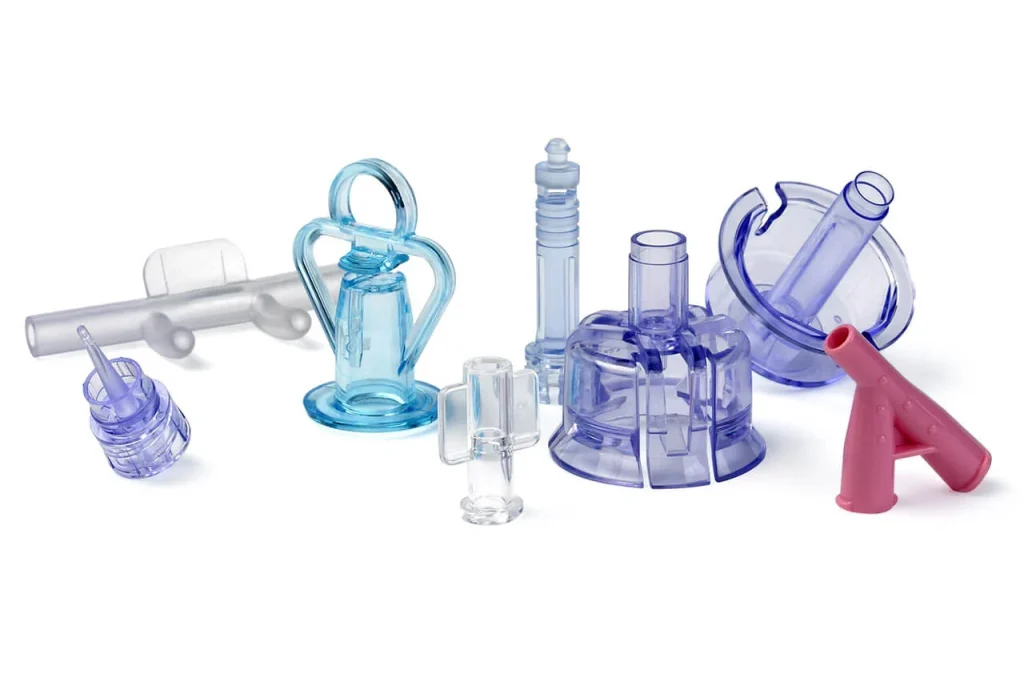
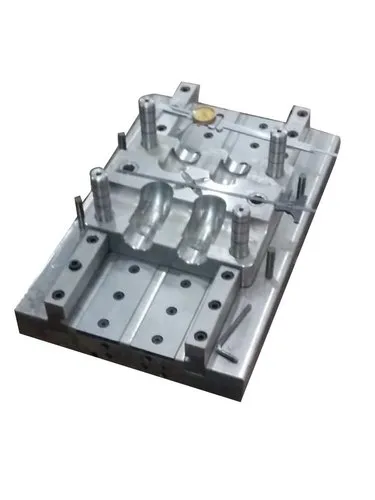
Exporting medical moulds and devices is a highly regulated activity that demands strict adherence to international standards, regulatory frameworks, and documentation practices. Non-compliance can lead to shipment delays, legal penalties, or product recalls. Below is a structured overview of Export Compliance for Medical Moulds and Devices:
1. Regulatory Frameworks and Standards
Medical devices and related moulds must comply with regulations in both the exporting and importing countries:
- United States: Governed by the U.S. Food and Drug Administration (FDA), particularly under 21 CFR Part 820 (Quality System Regulation).
- European Union: Requires compliance with the Medical Device Regulation (MDR) and CE marking.
- International Standards: Compliance with ISO 13485 is essential for quality management systems.
2. Classification and Product Registration
- Medical devices are classified (Class I, II, III) based on risk level.
- Exporters must ensure:
- Proper product classification in the destination country.
- Registration or approval with regulatory authorities before export.
- Moulds used for medical device production may also require validation records and traceability documentation.
3. Documentation Requirements
Accurate and complete documentation is critical:
- Commercial Invoice and Packing List
- Certificate of Origin
- Bill of Lading / Airway Bill
- Declaration of Conformity (DoC)
- CE Certificate (for EU markets)
- FDA Registration and Listing (for US)
- Material Safety Data Sheets (if applicable)
- Sterilization validation reports (for sterile devices)
4. Quality and Traceability
- Maintain full traceability of raw materials, components, and moulds.
- Implement Unique Device Identification (UDI) where required.
- Ensure batch/lot traceability for recall management.
- Mould validation (IQ, OQ, PQ) should be documented and available for audits.
5. Export Control and Trade Compliance
- Verify if products fall under export control regulations (dual-use items, sensitive technologies).
- Comply with customs regulations and tariff classifications (HS codes).
- Screen customers and countries against restricted or sanctioned lists.
6. Packaging, Labeling, and Sterilization Compliance
- Packaging must comply with international standards for medical safety and transport.
- Labels should include:
- Product details and intended use
- Manufacturer/exporter details
- Regulatory marks (CE, FDA, etc.)
- Sterilization status and expiry date (if applicable)
- Follow standards such as ISO 11607 for sterile packaging.
7. Risk Management and Validation
- Apply risk management principles as per ISO 14971.
- Validate all processes including moulding, sterilization, and packaging.
- Conduct design validation and process capability studies.
8. Audits and Certifications
- Be prepared for audits by regulatory bodies and notified bodies.
- Maintain updated certifications:
- ISO 13485 certification
- CE marking documentation
- FDA inspections readiness
9. Logistics and Shipping Considerations
- Choose appropriate shipping methods to maintain product integrity.
- Ensure temperature-controlled logistics if required.
- Comply with import regulations of destination countries to avoid customs delays.
10. Post-Market Surveillance and Responsibilities
- Track product performance in international markets.
- Report adverse events as required by local regulations.
- Maintain a system for product recalls and field corrective actions.
Conclusion
Export compliance for medical moulds and devices requires a combination of regulatory knowledge, robust quality systems, and meticulous documentation. Companies must stay updated with evolving global regulations and ensure alignment with international standards to maintain smooth and compliant export operations.