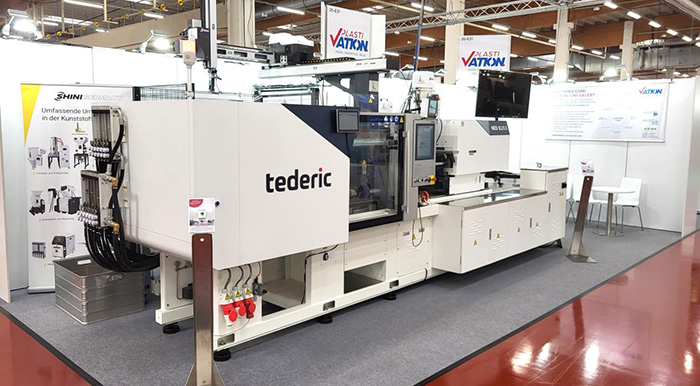
Energy efficiency has become one of the most important goals in modern manufacturing, especially in industries relying on plastic and electronic moulding. Electronic moulding machines, particularly all-electric and hybrid models, are designed to significantly reduce energy consumption while improving precision, output consistency, and operational savings.
1. What Makes Electronic Moulding Machines Energy-Efficient?
a. Servo-Driven Motors
Electronic moulding machines use servo-driven motors instead of hydraulic systems. These motors operate only when needed, resulting in:
Lower idle energy usage
Precise control over speed, pressure, and movement
Reduced power wastage
b. Elimination of Hydraulic Systems
Hydraulic machines constantly run pumps, consuming energy even when idle. Electronic machines eliminate:
Hydraulic oil heating
Pump energy losses
Cooling system energy consumption
This can reduce overall energy usage by 30–70% depending on the application.
2. Key Components Supporting Energy Savings
a. High-Precision Control Systems
Advanced control systems optimize machine cycles, reduce scrap, and ensure accurate moulding—all of which save energy.
b. Efficient Heating Systems
Modern barrel heaters, infrared heaters, and induction heating systems minimize heat loss and reduce warm-up times.
c. Regenerative Drives
During braking and deceleration, regenerative drives convert kinetic energy back into electricity, further boosting efficiency.
3. Energy Savings Throughout the Moulding Cycle
a. Injection Phase
Servo motors deliver exact power as required, allowing finer control and avoiding energy spikes.
b. Clamping Phase
Energy is used only during clamping and releasing, unlike hydraulic systems that run continuously.
c. Cooling Phase
Lower friction and less heat generation reduce cooling time and energy requirements.
4. Advantages of Energy-Efficient Electronic Moulding Machines
a. Significant Cost Savings
Electric machines can reduce annual electricity consumption drastically, lowering production cost per part.
b. Improved Productivity
Faster cycle times and consistent performance increase output without increasing energy usage.
c. Less Heat Generation
Reduced internal heat lowers the load on air-conditioning systems, giving indirect energy savings.
d. Environment-Friendly Operation
Lower carbon footprint and no hydraulic oil usage make the process cleaner and sustainable.
e. Quiet and Clean Workplace
Electronic machines are quieter and leak-free, improving safety and working conditions.
5. Comparison: Electric vs Hydraulic vs Hybrid
| Parameter | Electric Machines | Hydraulic Machines | Hybrid Machines |
|---|---|---|---|
| Energy Consumption | Lowest | Highest | Moderate |
| Precision | Very High | Moderate | High |
| Speed | High | Moderate | High |
| Maintenance | Low | High (due to oil) | Moderate |
| Environmental Impact | Minimal | High | Medium |
6. Future Trends in Energy-Efficient Moulding
Integration of AI and IoT for real-time energy monitoring
Smart power management systems
Low-energy servo systems
Advanced insulation and thermal control technologies
Green manufacturing certifications (ISO 50001, etc.)
Conclusion
Electronic moulding machines offer superior energy efficiency compared to traditional hydraulic systems. By leveraging servo-driven technology, regenerative systems, and precise digital control, these machines help manufacturers reduce energy consumption, increase productivity, and meet sustainability goals. As industries move toward greener production, energy-efficient electronic moulding machines are becoming the preferred choice for cost-effective and environmentally responsible manufacturing.